One Day of Adulting: Intro to Life gives sophomores from six Sandhills districts dose of the real world
One Day of Adulting: Intro to Life gives sophomores from six Sandhills districts dose of the real world
By Tyler Dahlgren
A chilly wind whipped across the Cherry County Fairgrounds in Valentine last Tuesday, an abrupt reminder during a seasonable autumn of winter’s impending and inevitable arrival.
That’s life, and there’s nothing to do but to deal with it. Up here on the northern edge of The Sandhills, they take it a step further and jump right in.
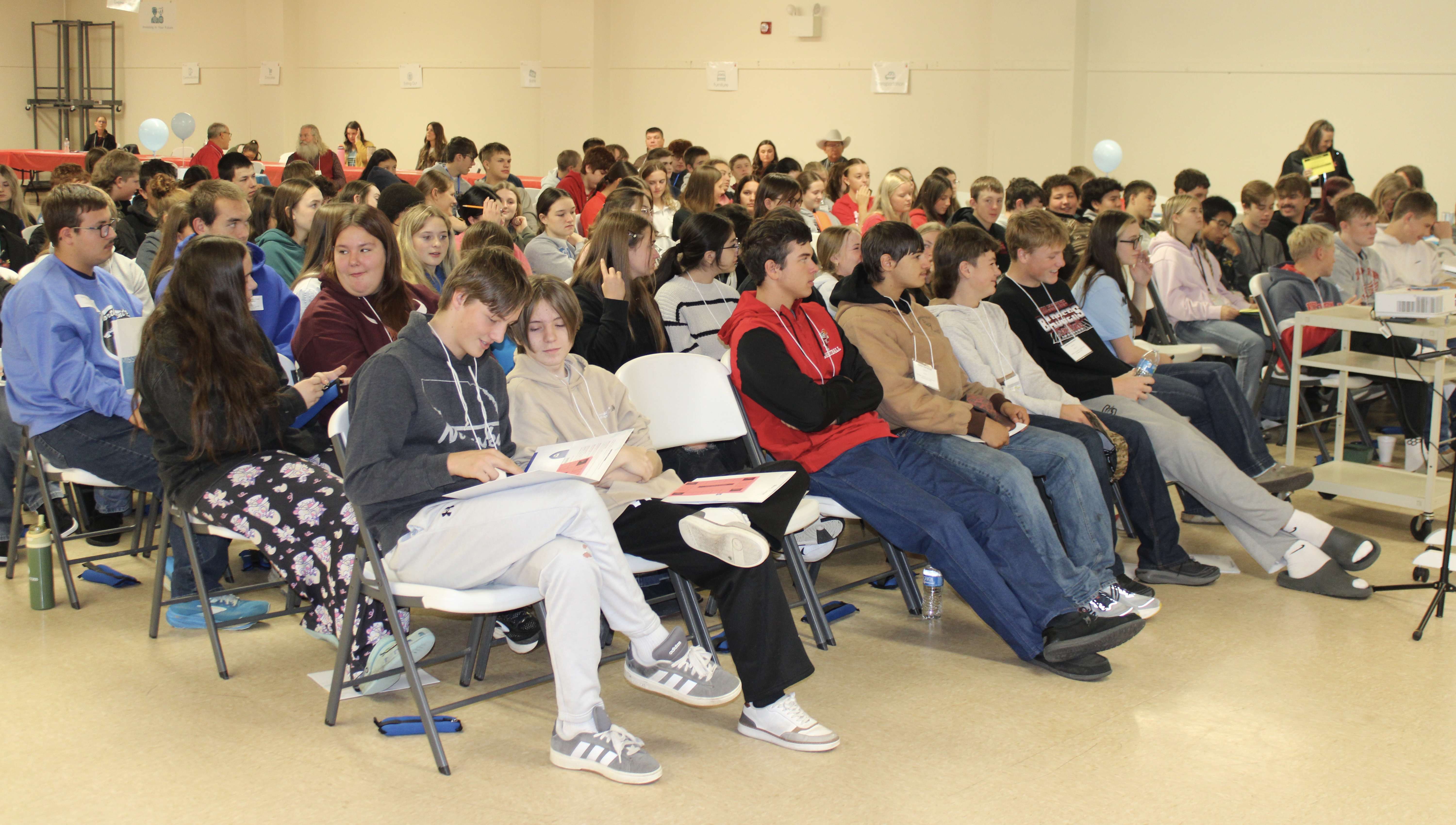
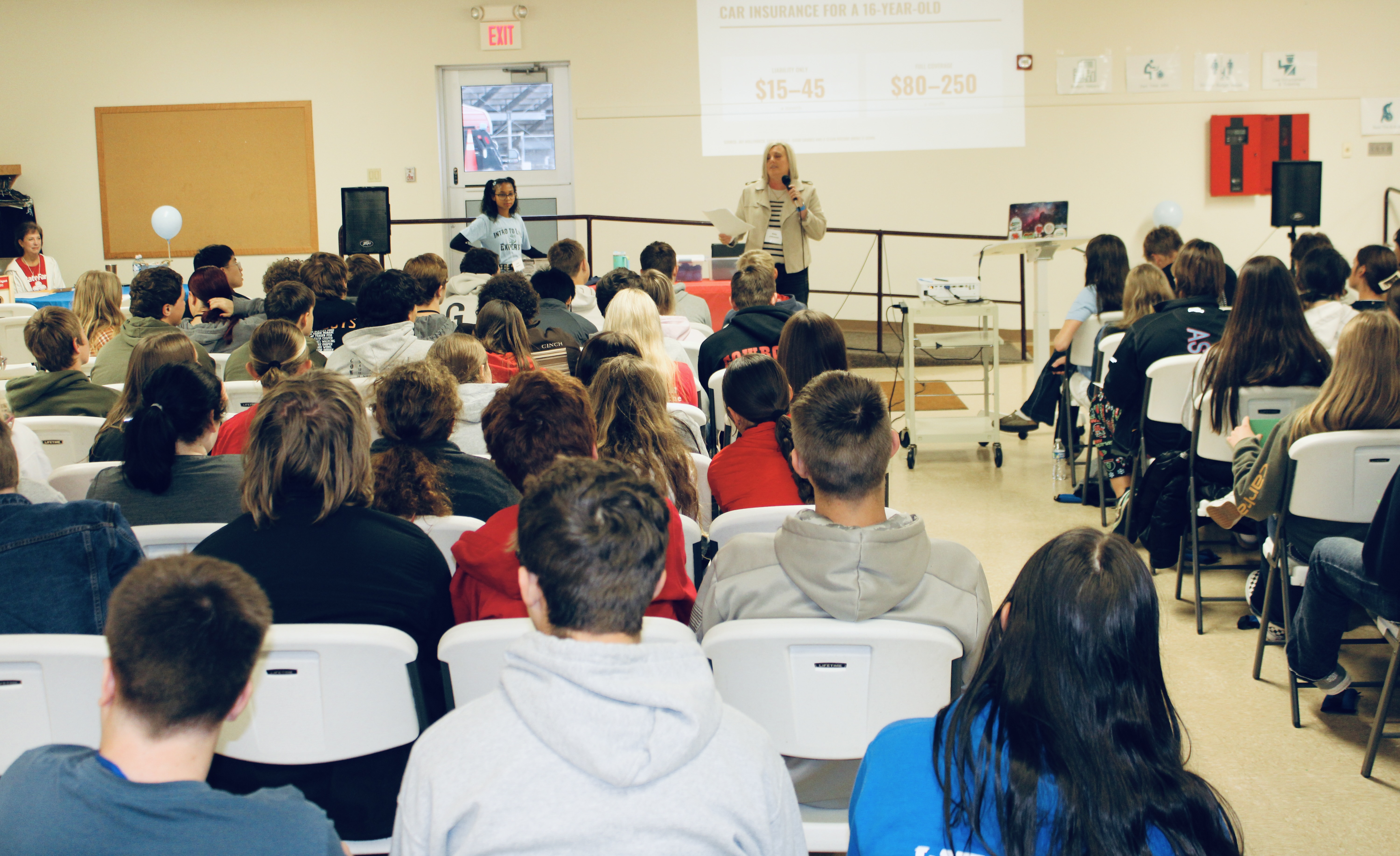
Inside the 4H Building, 110 high school sophomores from six surrounding school districts (Valentine, Cody-Kilgore, Thedford, Ainsworth, Rock County, and Keya Paha) gathered for the 7th annual “Intro to Life” event, a fast-paced obstacle course of adulthood.
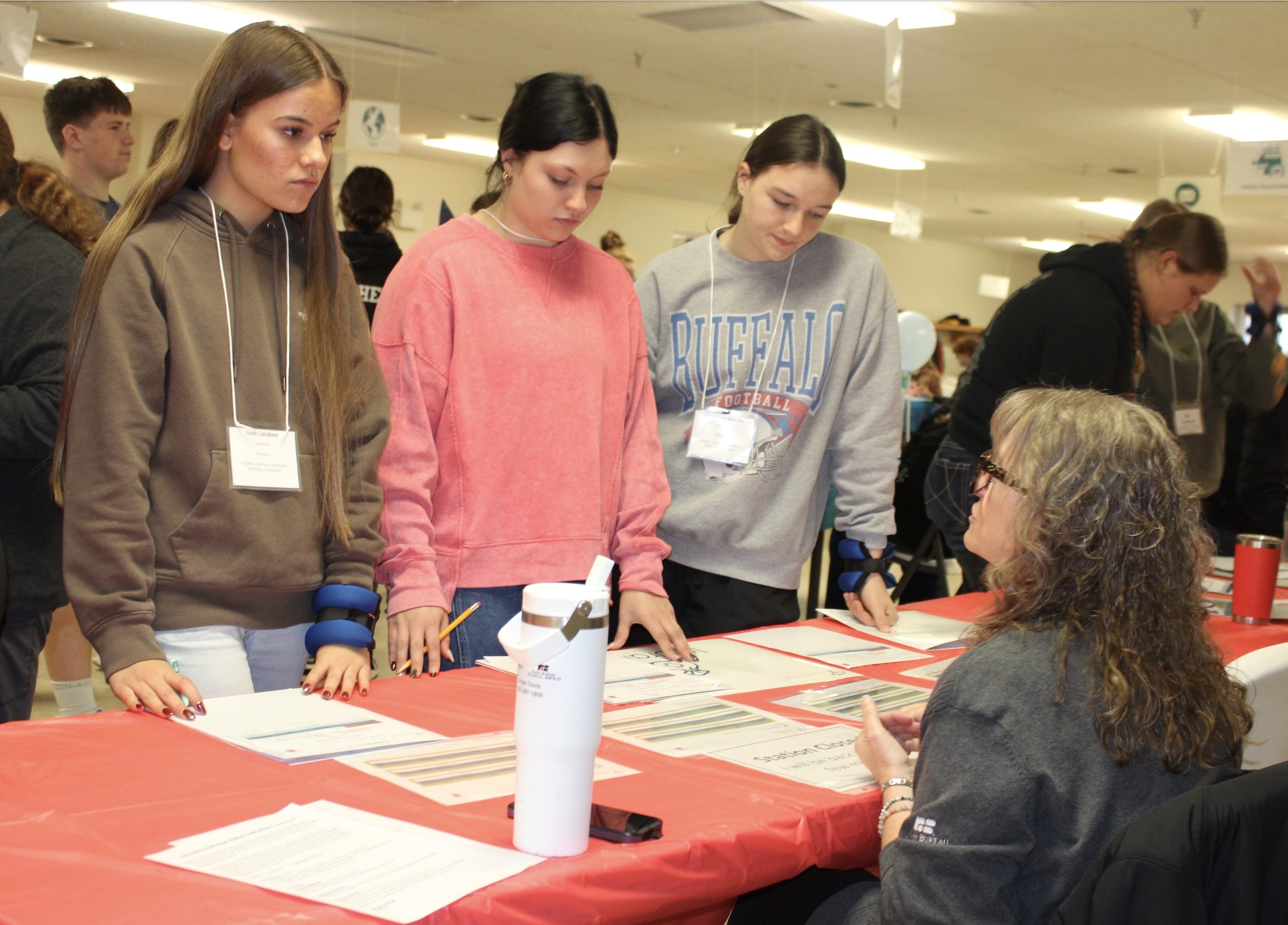
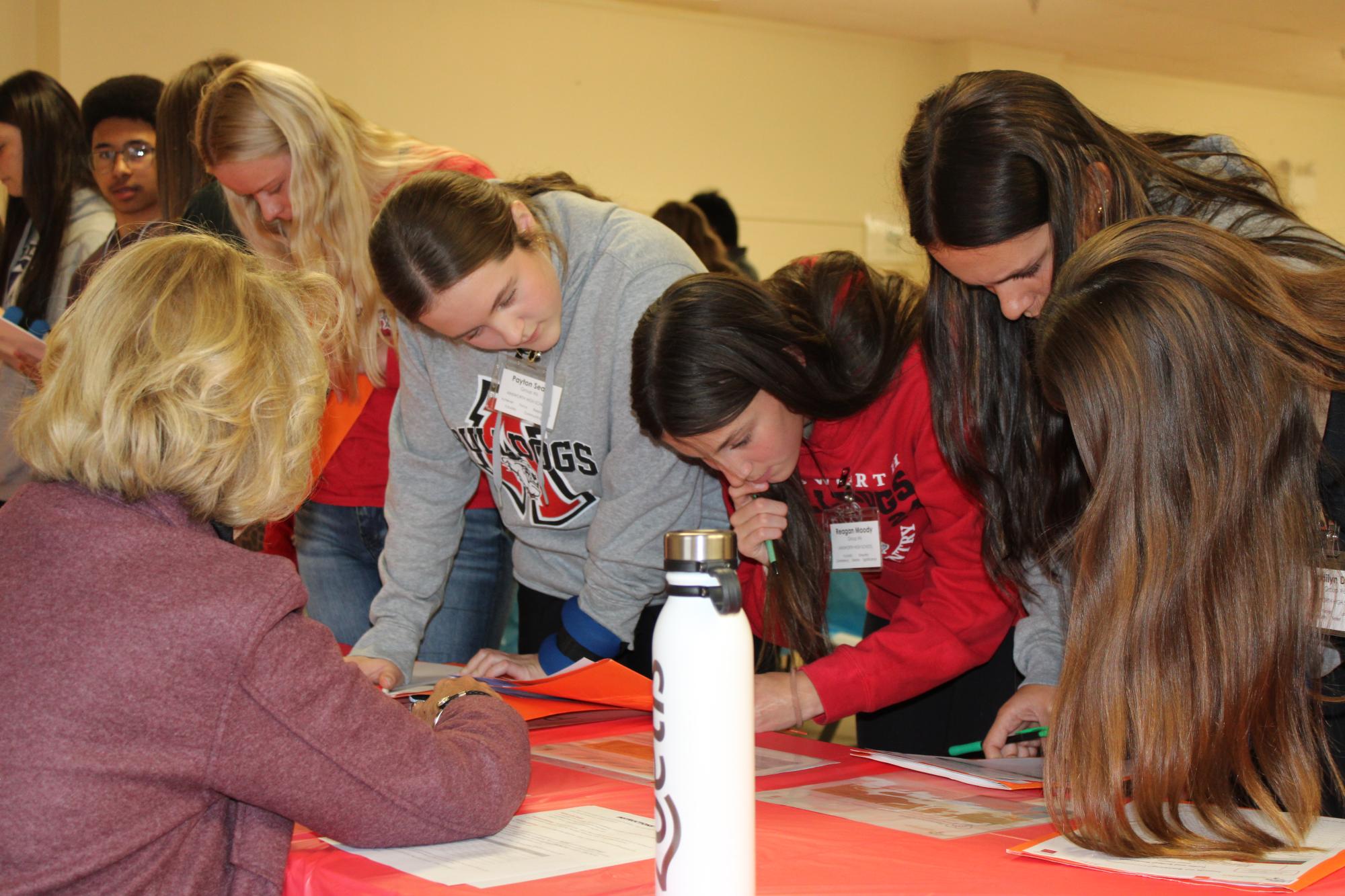
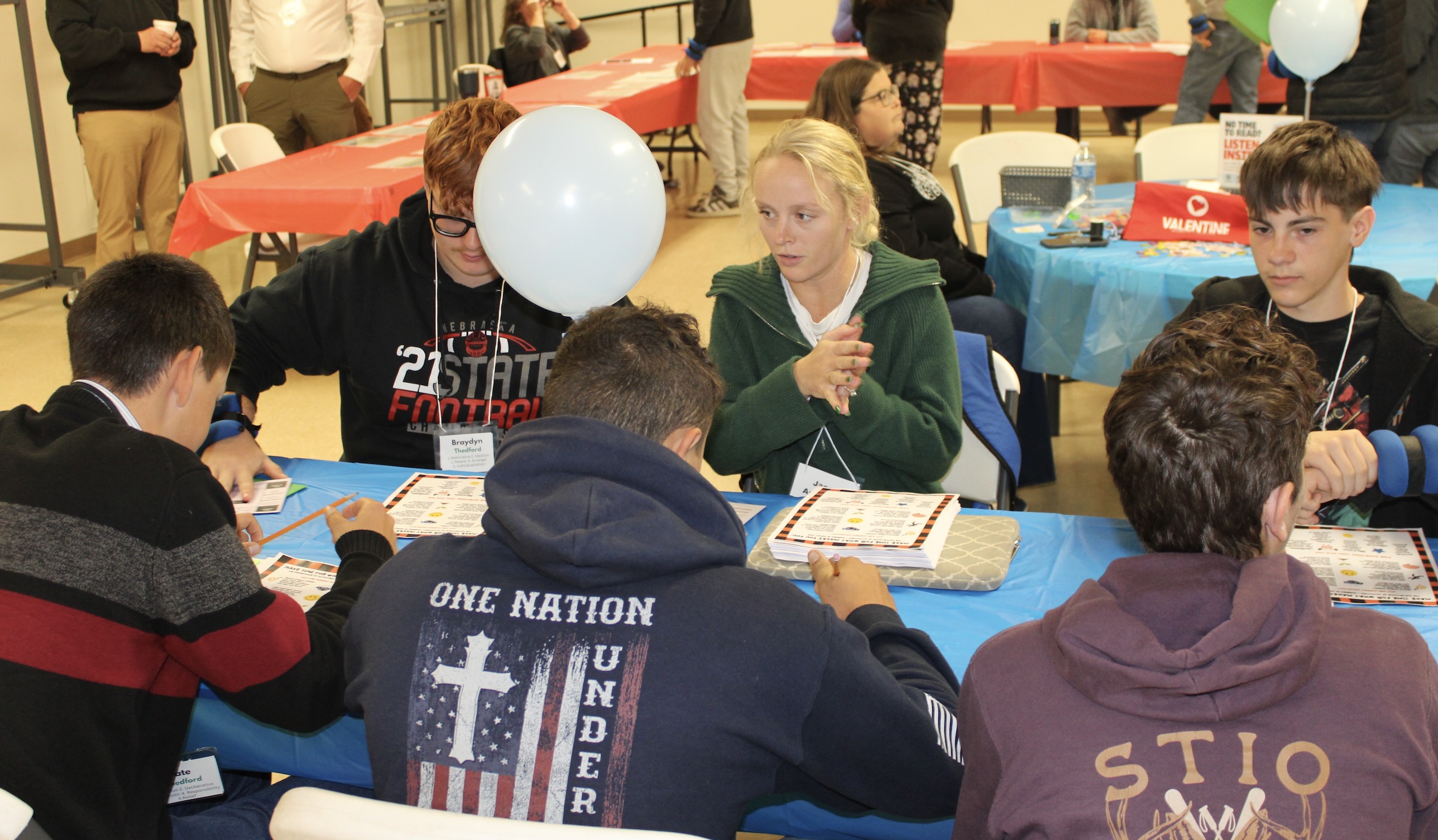
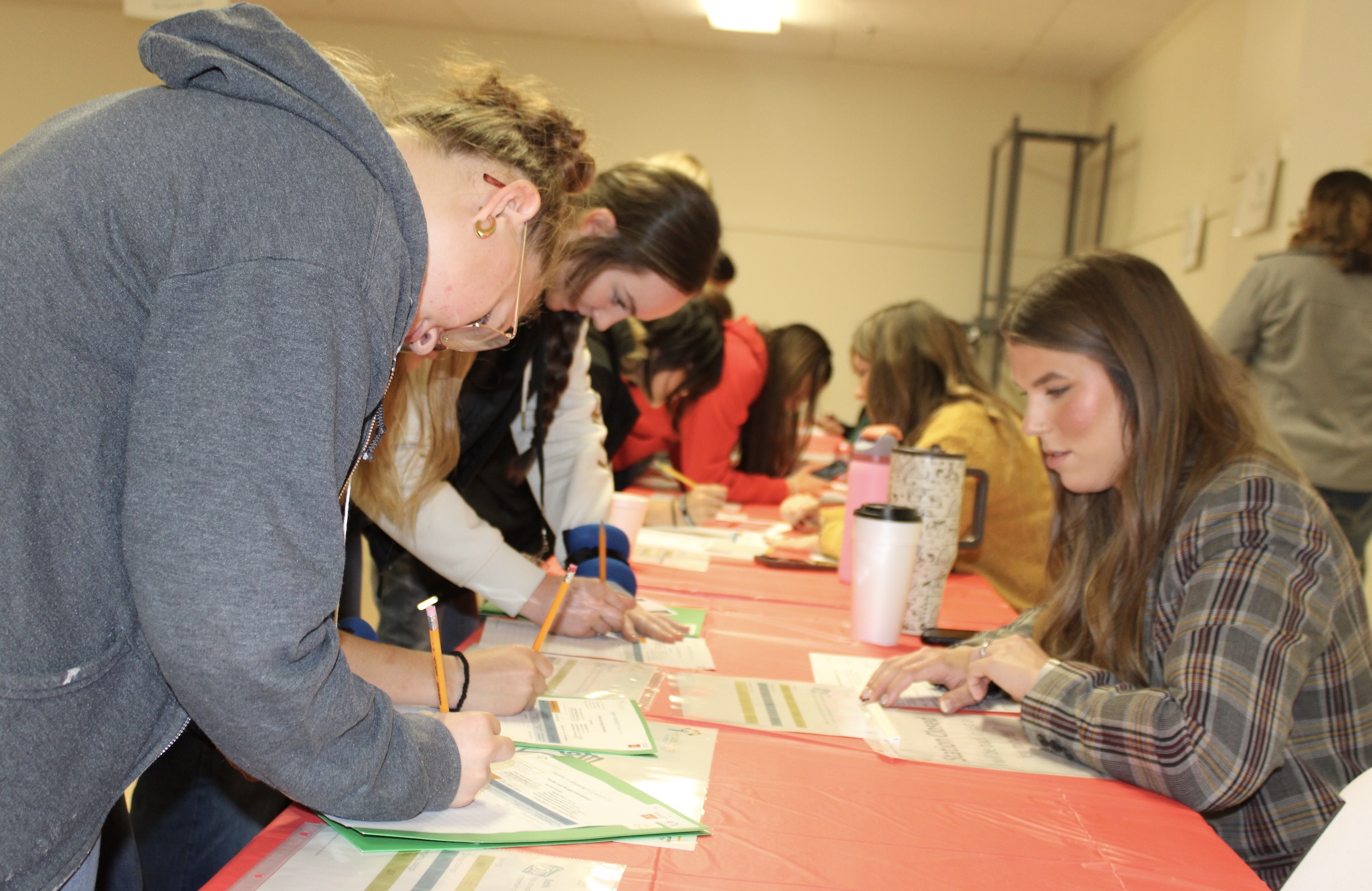
Over the course of a single day, the students moved from booth to booth, tackling everything from purchasing auto insurance and managing credit cards to filling out job applications, practicing proper dining etiquette, sewing buttons and more.
The large-scale budgeting and life-skills simulation, which brings community volunteers out in droves, is orchestrated by local business educators and the Valentine High School Event Planning class. While Nebraska now mandates a personal finance course for high school graduation, organizers say there is no substitute for experiencing the financial and practical pressures of adulthood firsthand, especially when local business owners, pastors, police officers, and community leaders are the ones running the show.
“Originally when we started this, it was before Personal Finance was a mandatory class, and so we wanted to really build an interest in personal finance,” VHS business educator Alana Cardinal said. “And we decided to keep moving even though personal finance became mandatory because this activity really simulates real life. And it helps them, if they've taken the class, understand it a little better. And if they haven't, it preps them so that hopefully they get more out of it.”
For 15- and 16-year-olds, the expansive simulation comes with an immediate, and often humorous, wake-up call. Students are given simulated incomes and family scenarios, forcing them to make tough choices when unexpected expenses pop up.
“We don't want to squash their hopes and dreams, but it always seems like they think adulting is going to be so much easier,” Cardinal said with a laugh. “They're going to have so much money coming in. And although that's true, you do have a lot more money coming in, they don't think about things like how their parents buy them gifts for Christmas every year, for example.”
There’s a running joke at the registration table each year involving students trying to "sell their kids" to save money, or insisting they will simply never buy birthday presents or pay for extracurricular activities once they are on their own.
“And that's just not true,” Cardinal said. “And so just that little dose of reality is eye-opening.”
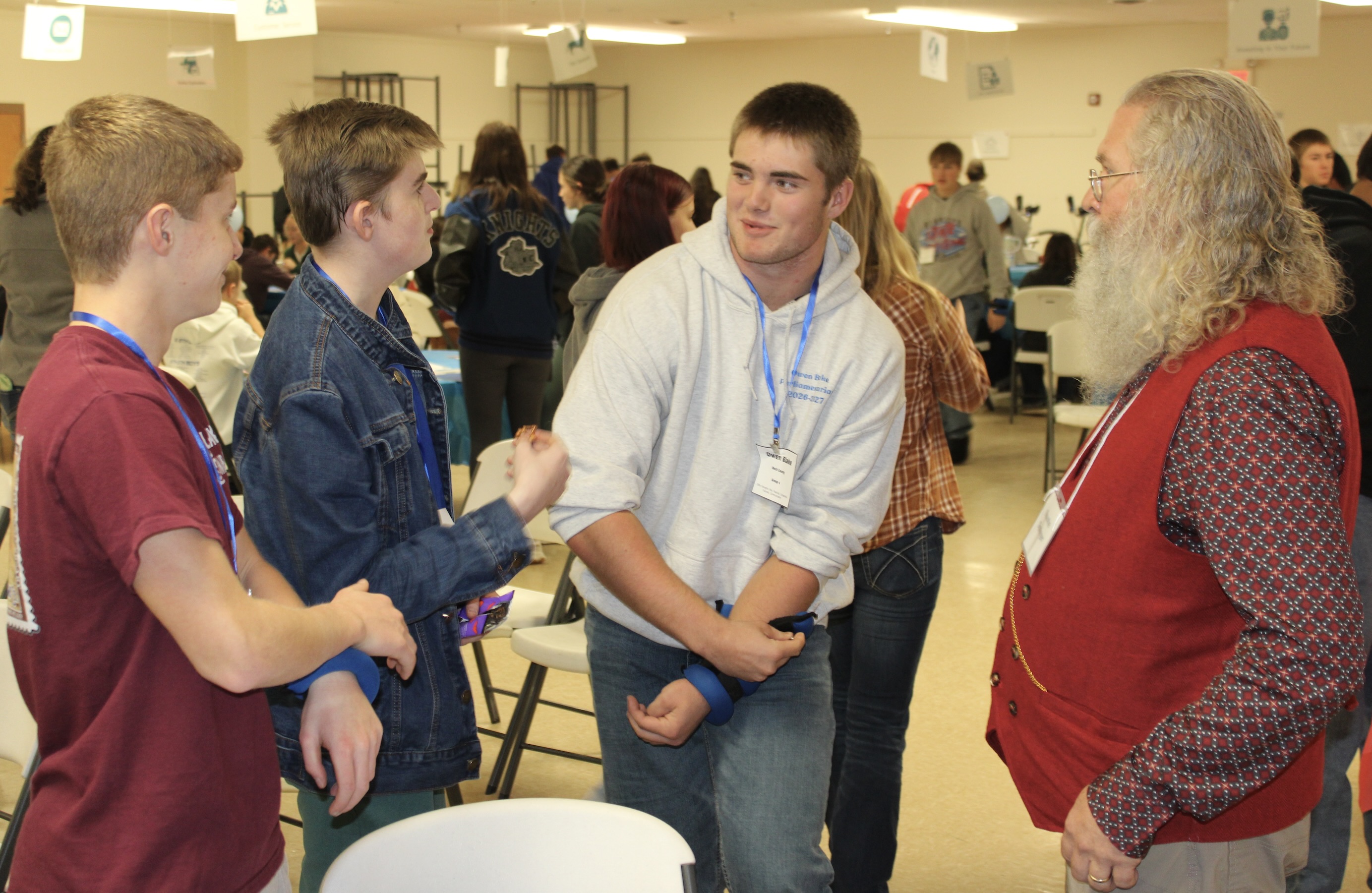
To keep the energy high and the morale up, an element of fun is woven in throughout the day. Students travel in small groups, mingling with peers from neighboring school districts while interacting with adults in professional settings. Students feast on pizza for lunch. Local law enforcement officers even patrol the room, handing out simulated "tickets" for unexpected infractions, before the day wraps up with prizes.
This year’s keynote was delivered by Amy Johnson, publisher of the Springview Herald. Having covered the event for several years and understanding the impact it makes, Johnson jumped at the opportunity to speak directly to the sophomores.
“When they started this program, I got to put it in the newspaper,” Johnson said. “Just from sewing on a button to learning how to budget, buying a vehicle, those were all big, scary things when you're going into the world. So the idea of having all of this encompassed in one day of the things that you might encounter, I thought it was phenomenal. And it’s grown year by year.”
Johnson’s message to the students was dialed and simple.
“Every station you’ll visit today is another tool added to your life toolkit,” she said.
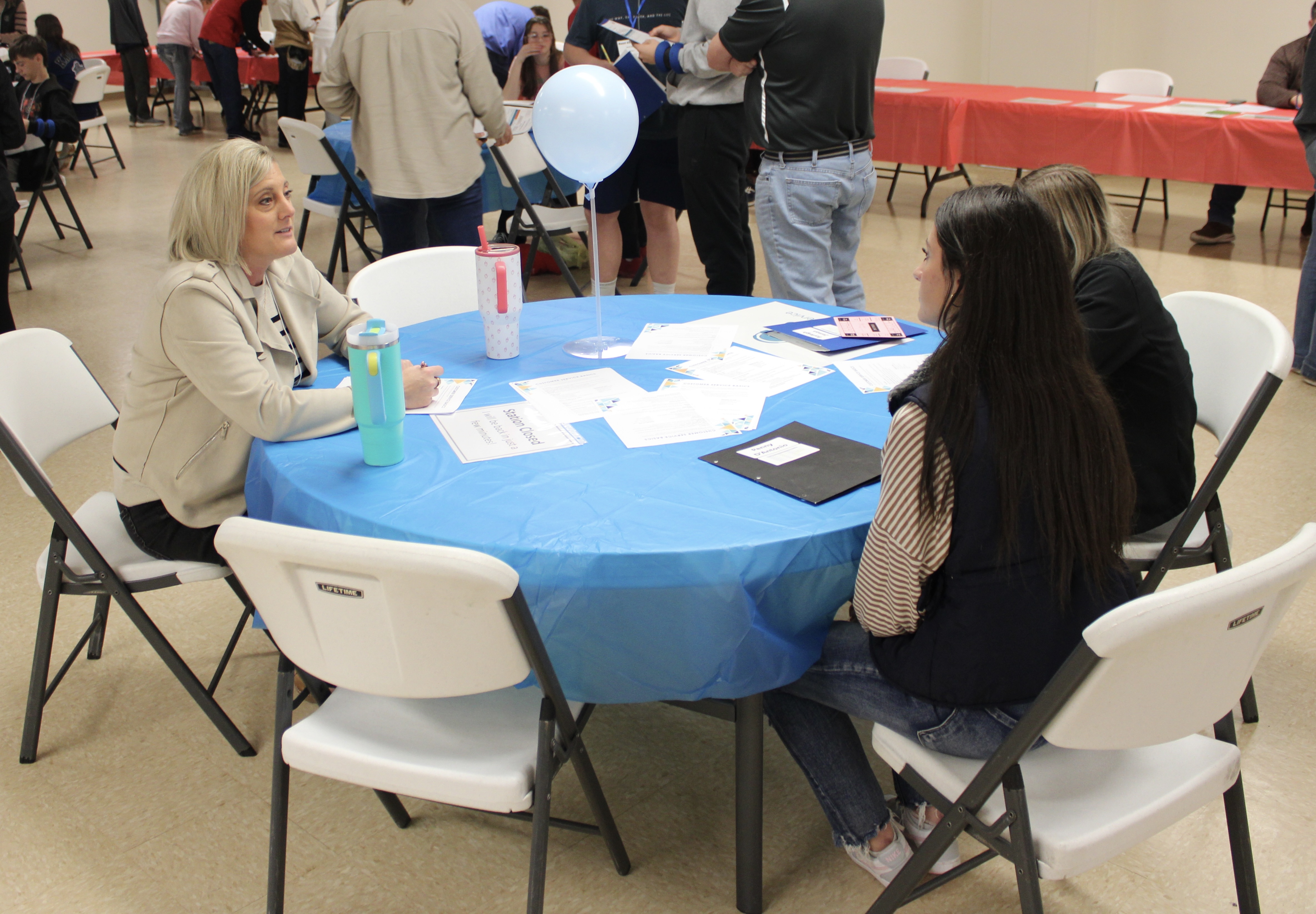
After the keynote, Johnson volunteered to run a brand-new station focused on customer service.
“It's so important, whether they own a tire shop, whether they own a newspaper, whether they own a cafe, that customer service, making them feel welcome, and if they don't like something, how to problem solve,” Johnson said. “It's the simple things, saying your pleases and thank yous and showing up to work on time.”
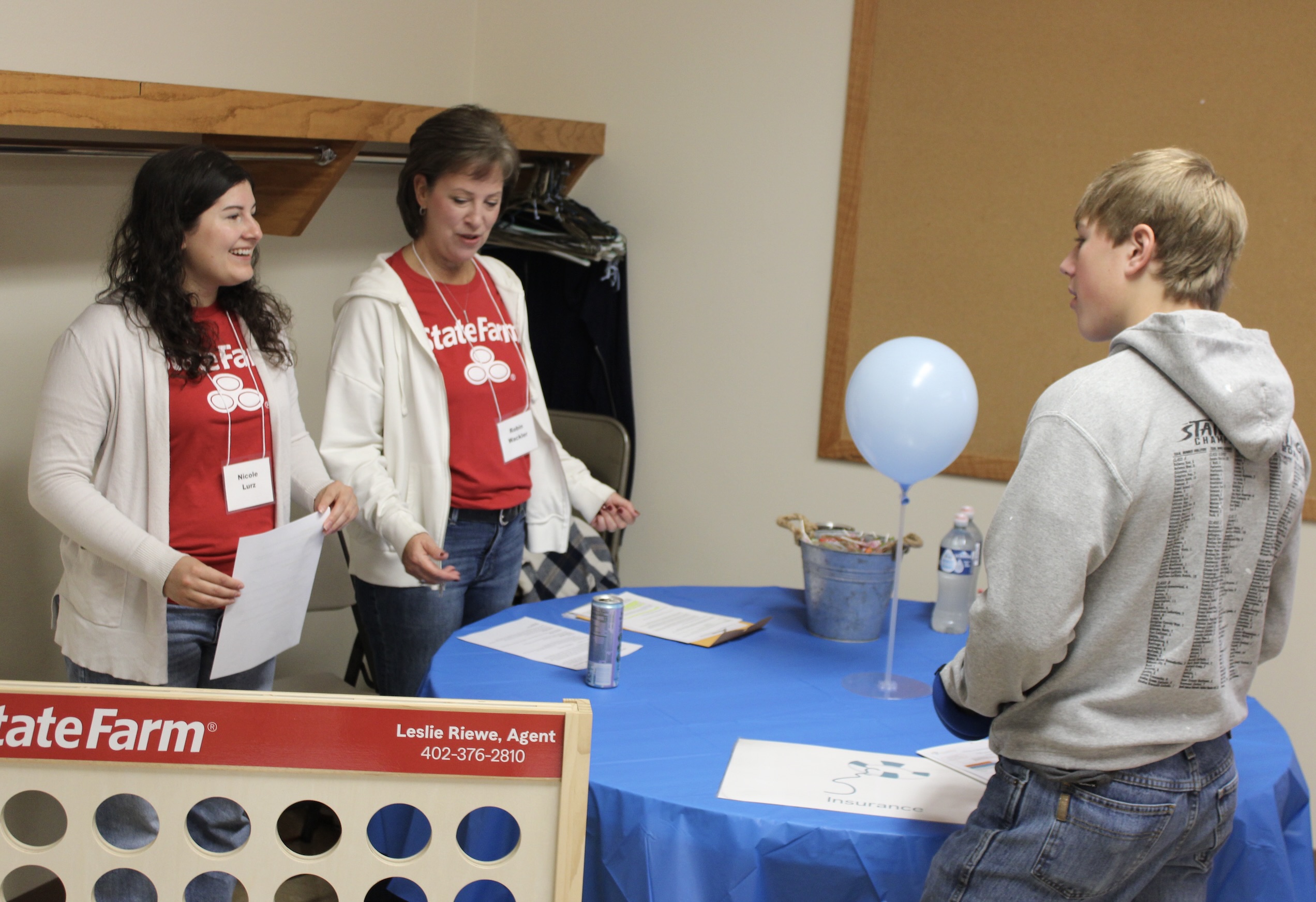
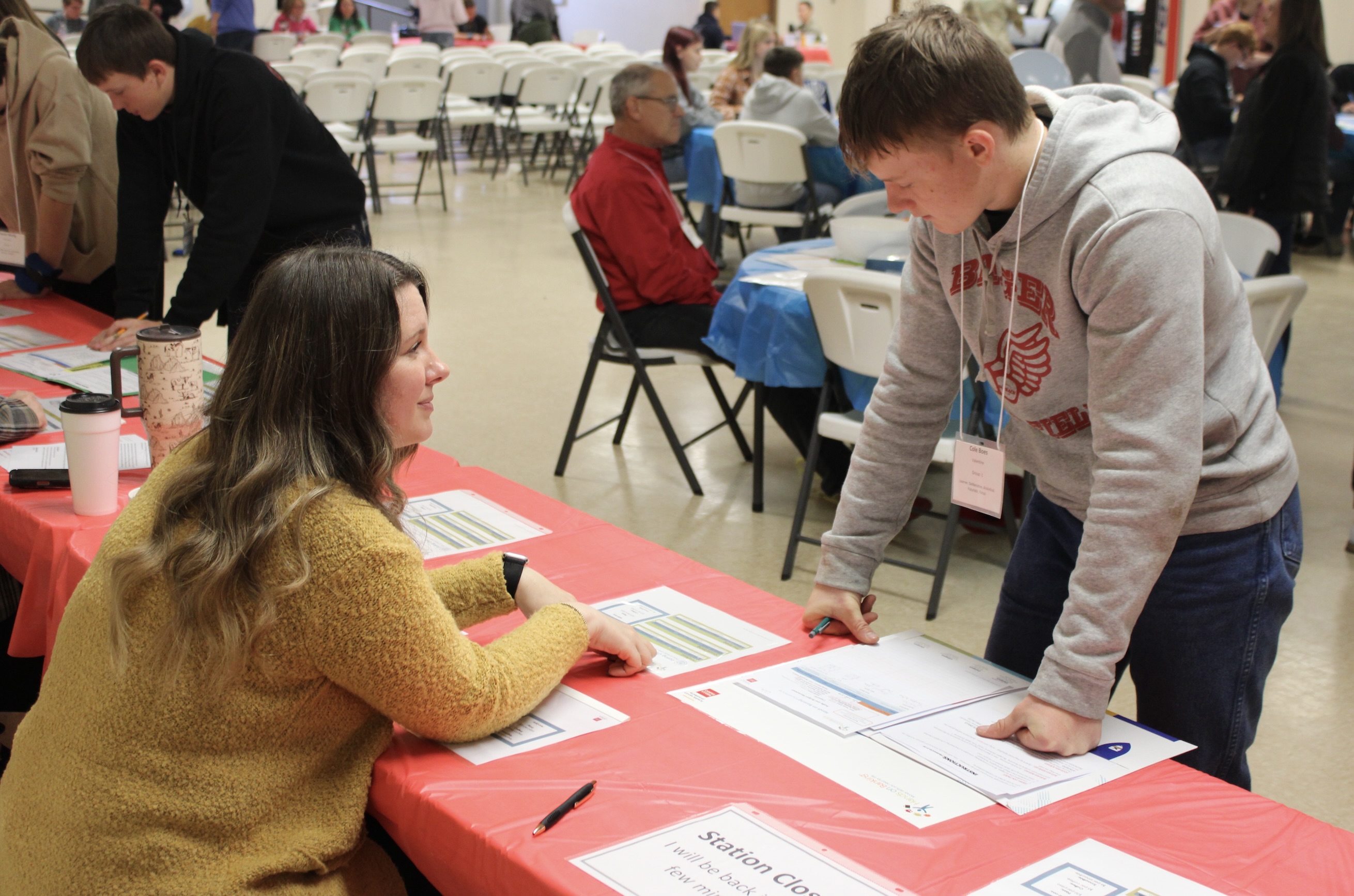
At neighboring tables, volunteers passed on knowledge and revelled in those "aha" moments. Robin Wackler of State Farm Insurance walked students through the nuances of coverage and deductibles. The agency’s owner, Wackler explained, never misses “Intro to Life,” and she was glad to step in.
“You can really tell which kids are talked to about what they learned from their parents and the kids that are like, ‘I got no clue. I have no clue what that's about,’” Wackler said. “But that's okay. That’s why they’re here. It really is special. Valentine is a great community to host it because it's so central. I love to see the turnout.”
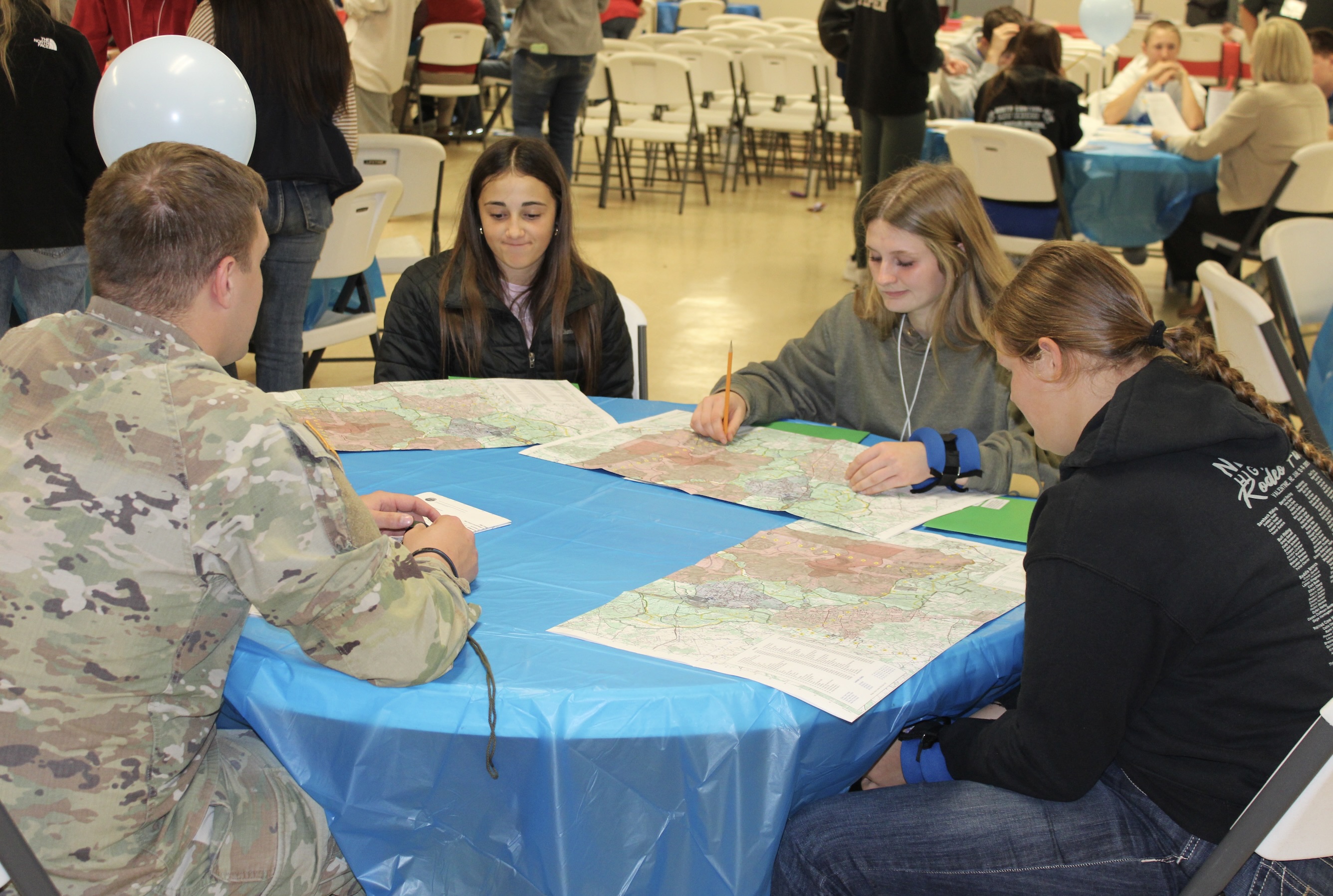
Around a circle table in the center of the room, Rev. Andrew Utecht, pastor at Our Savior Lutheran Church in Valentine, volunteered at the event for the first time. His station revolved around planning and maintaining a budget. Reflecting on his own high school days, he said he would have jumped at an opportunity like this.
“It's hard to even remember back when I was a sophomore,” Utecht said. “I have learned a lot since then. I hope they leave today with some long-term goals.”
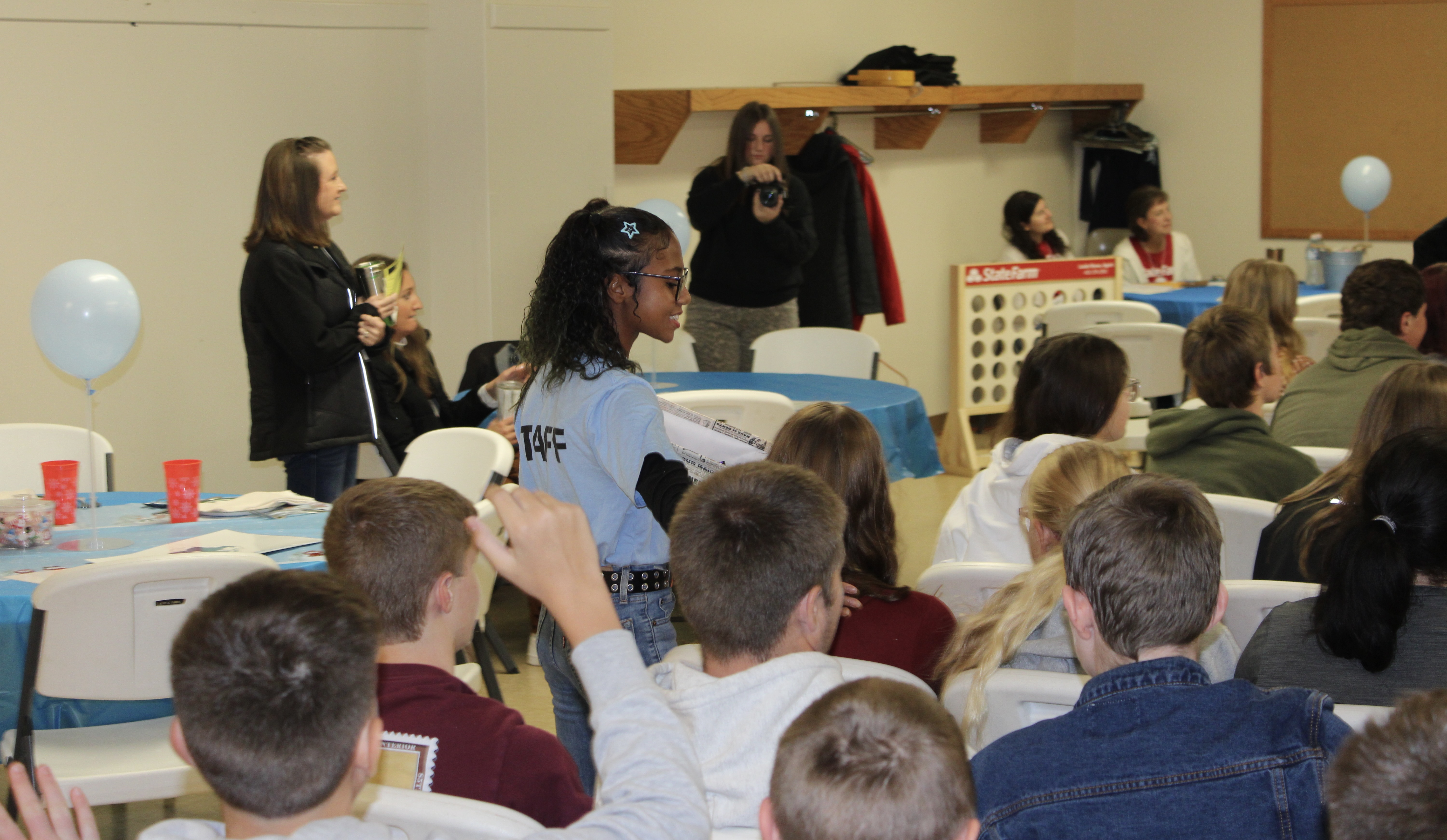
Intro to Life isn’t just planned for students. It’s planned by students. Members of the VHS Event Planning class spent months coordinating logistics, managing budgets, and organizing schedules for more than a hundred of their peers. VHS juniors Madysyn Bopp and Jade Gunion, who introduced Johnson and relayed instructions throughout the day, took the lead. Pulling off an event of this scale took serious teamwork.
“It's definitely very difficult,” Bopp said. “You get very different people working together and you have to learn how to work with each other and be compatible and really just know what each other are good at. Jade was really, really good with the accounting and I did more of the behind-the-scenes.”
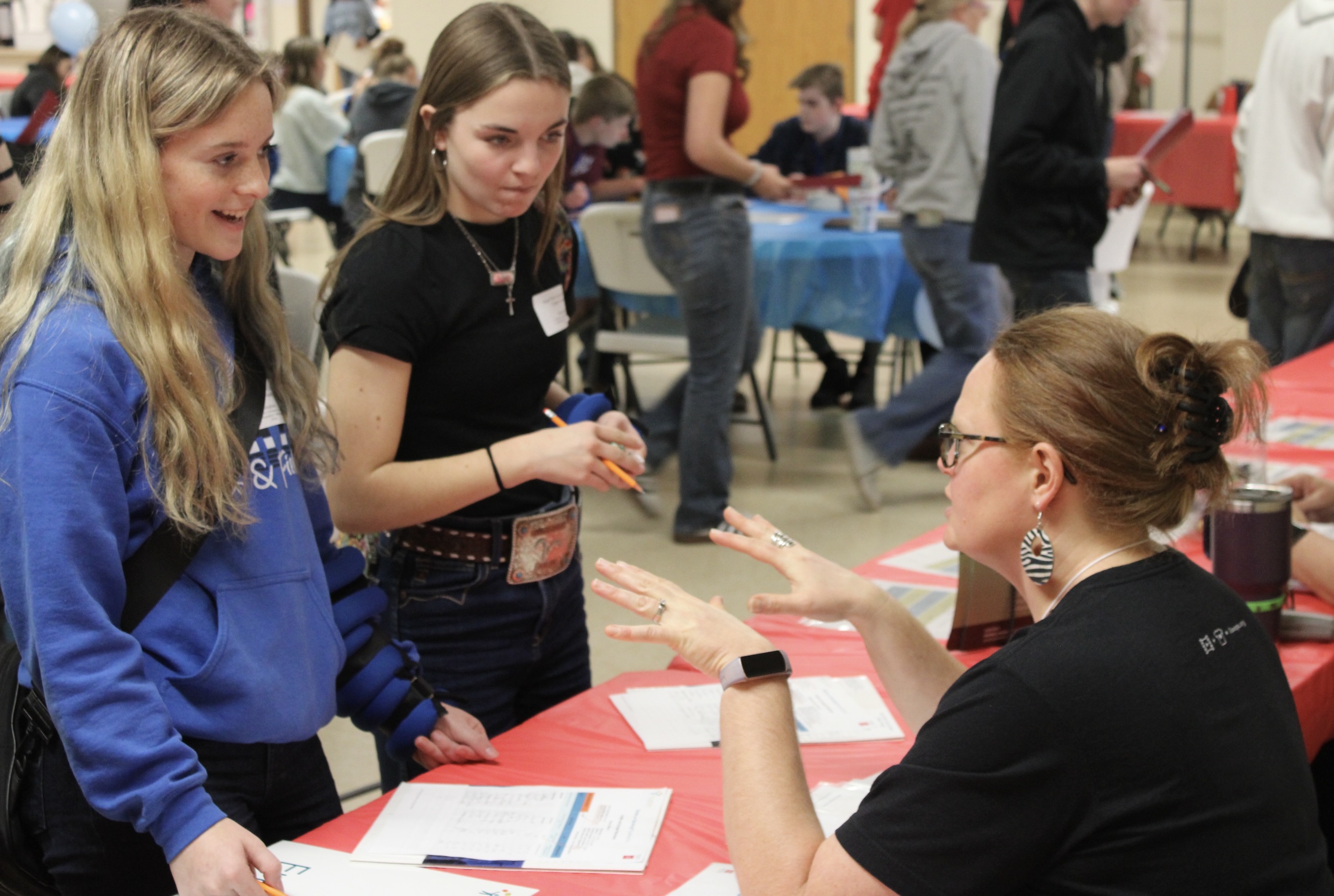
Gunion agreed, adding their goal was to condense years of trial-and-error into a single, supportive environment for the sophomores.
“We are genuinely, with an intro to life, introducing them to life,” Gunion said. “We want them to be able to understand the things that other people have gone throughout their lives having to learn throughout life rather than getting it all in one spot.”
The community recognizes the importance of the event. They have from the start. The enthusiasm of local professionals who give their time to Intro to Life always leaves Cardinal astounded.
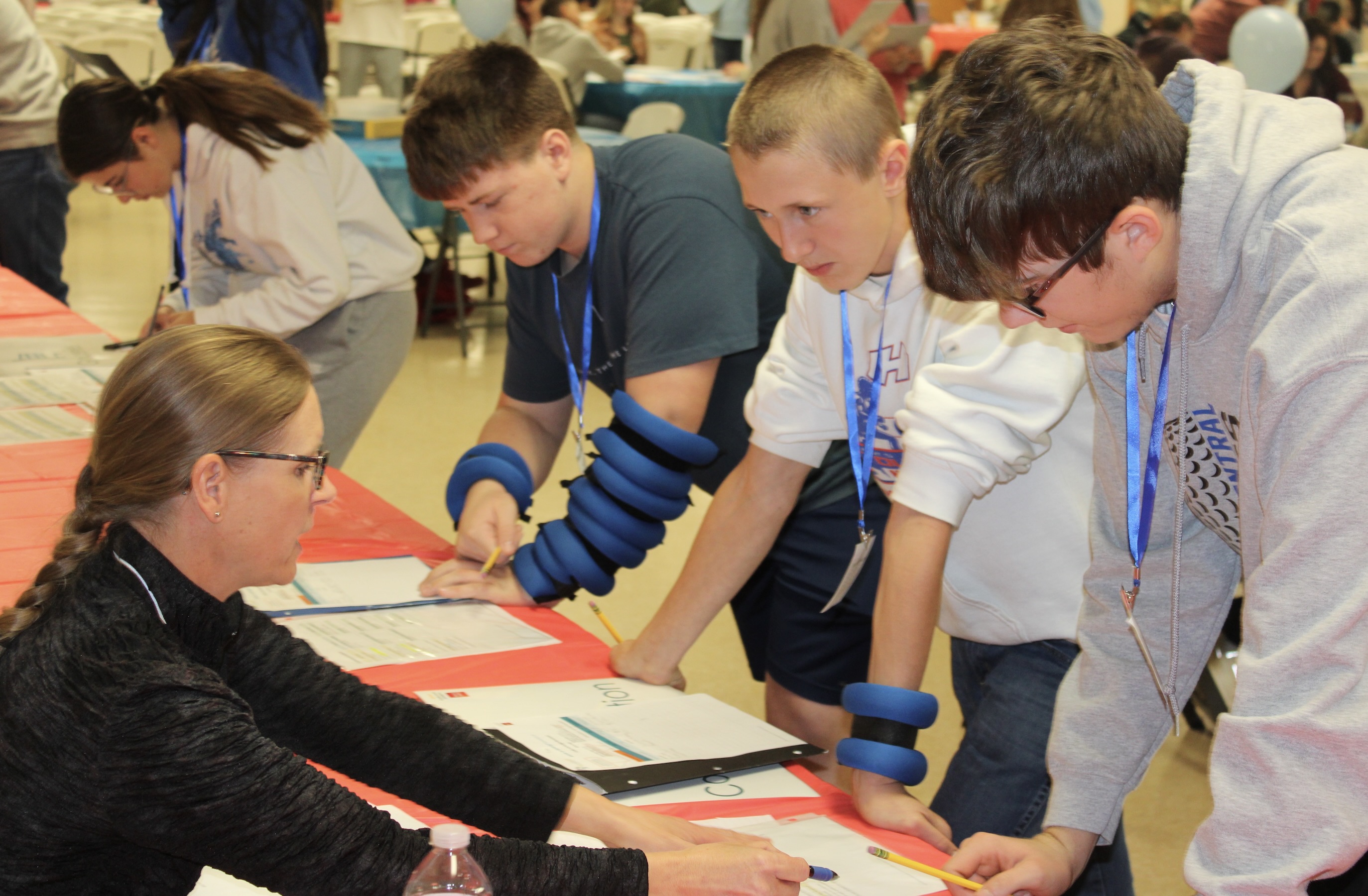
“I am overwhelmed every year by how easy it is (to recruit volunteers) and how people are sad when they can't make it,” she said. “To me, it proves that there's value in this event and in how we are doing it, because if it wasn't valuable and they thought they wasted their day, they wouldn't be so willing to come back.”
Gunion, who previously lived in a larger city before moving to the area, noticed that stark difference pretty quickly.
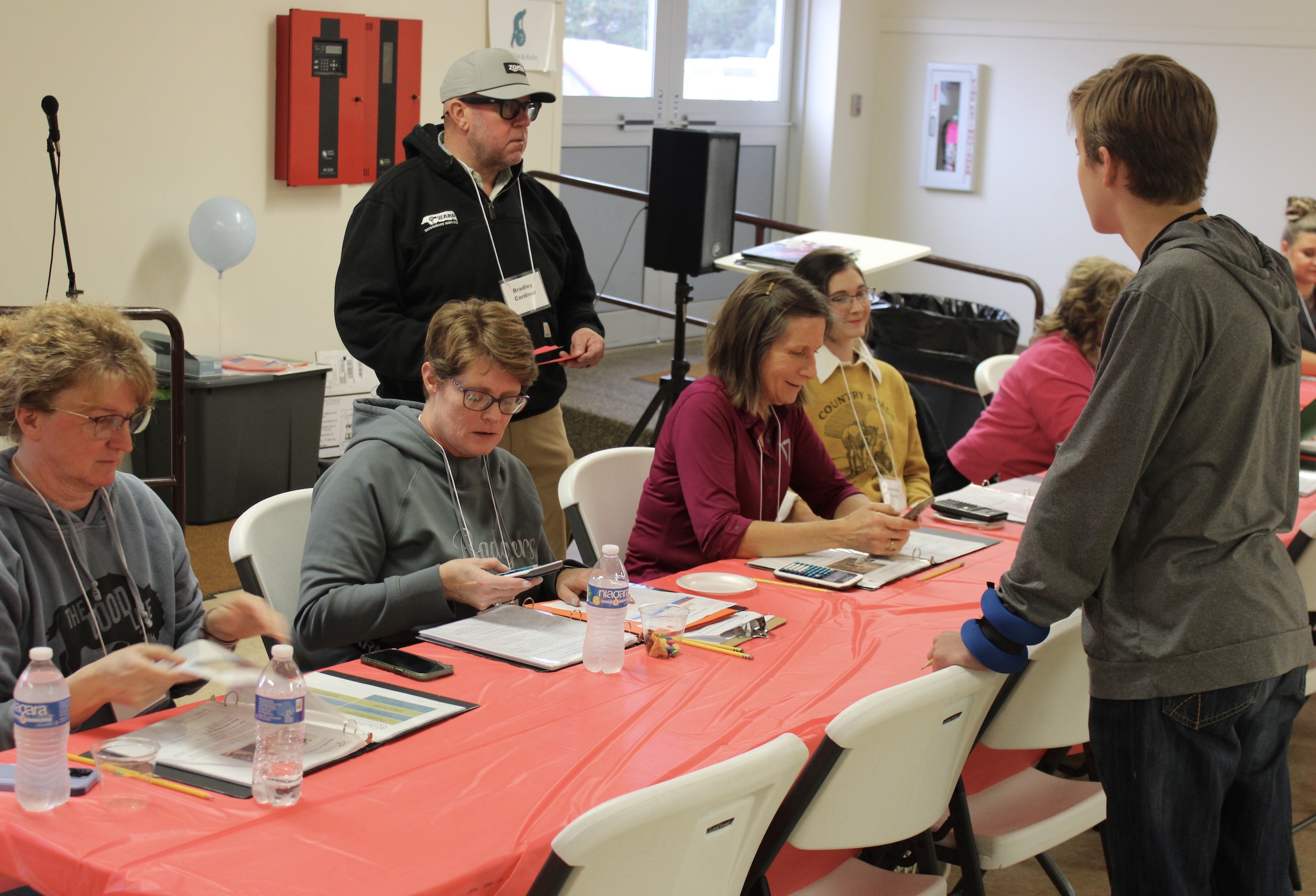
“If I were to ask people in the city if they would come help, nine times out of 10 it'd be a no,” she said. “But here it's just such a tight-knit community. Everybody is so close and everybody's just really amazing and caring. They take time out of their day and donate their energy and their money and their time to come and support these things.”
In rural communities across the state, retaining and attracting young talent is a top priority. Events like Intro to Life are an investment, both in today's youth and tomorrow's future.
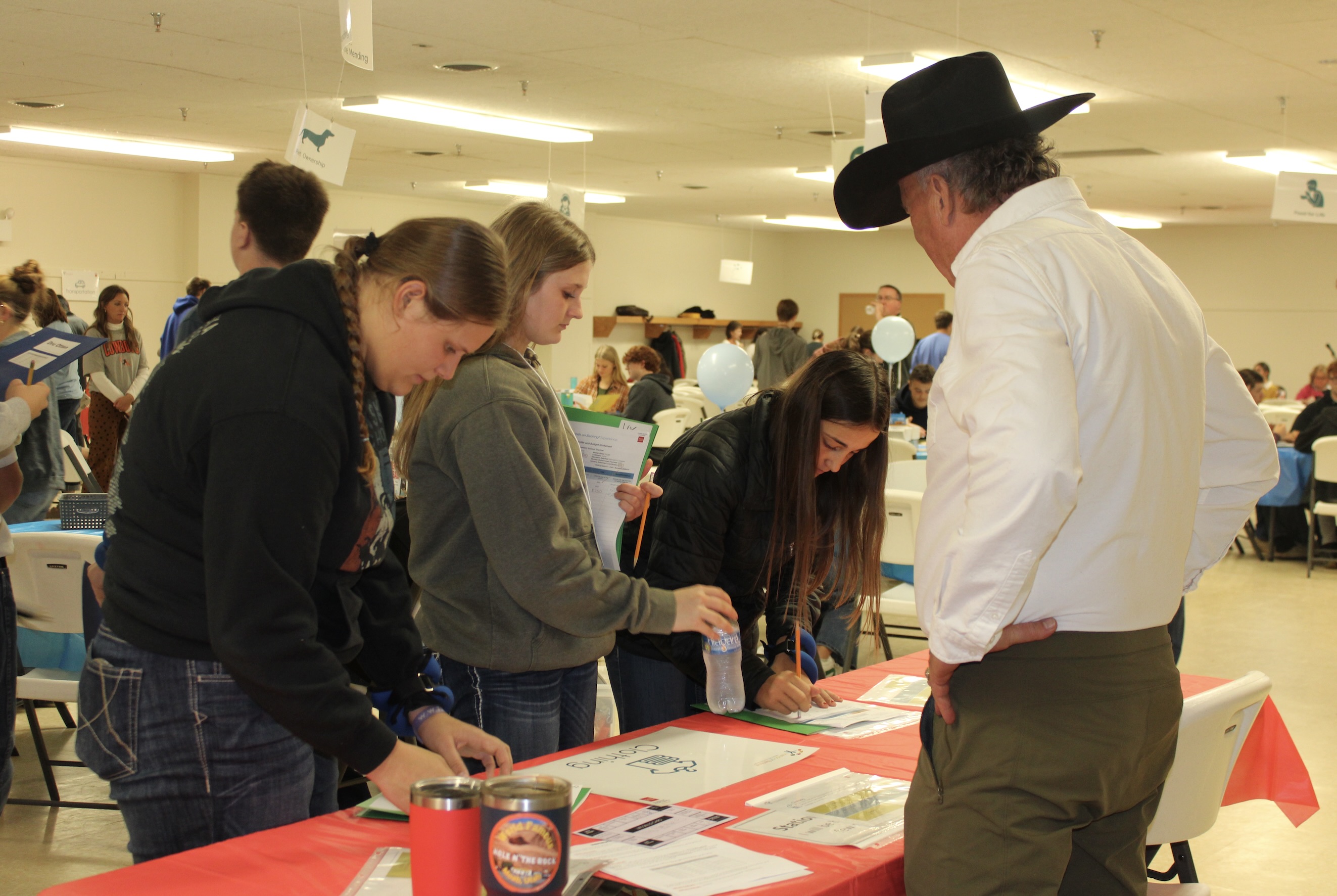
“These kids are our future,” Johnson said. “They're the ones who are going to want to come back here and live. They're the ones who are going to want to make this home someday, and they want them to feel welcome to come back. Go learn what you need to, but come back and call this place home. They see the value of what they're doing today, and that's going to return us dividends someday.”
The journey starts here and now, Johnson told the students.
“You can count on helping hands along the way.”