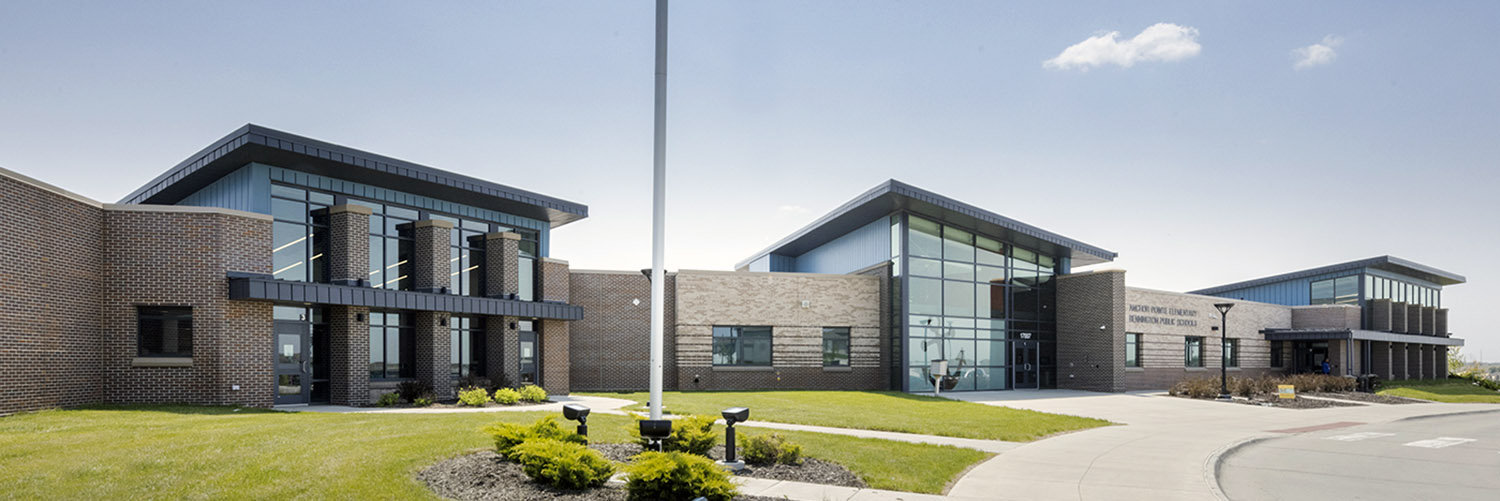
On These Sides of the Metro: Proud communities embrace growth, boundless opportunity amidst unprecedented suburban sprawl
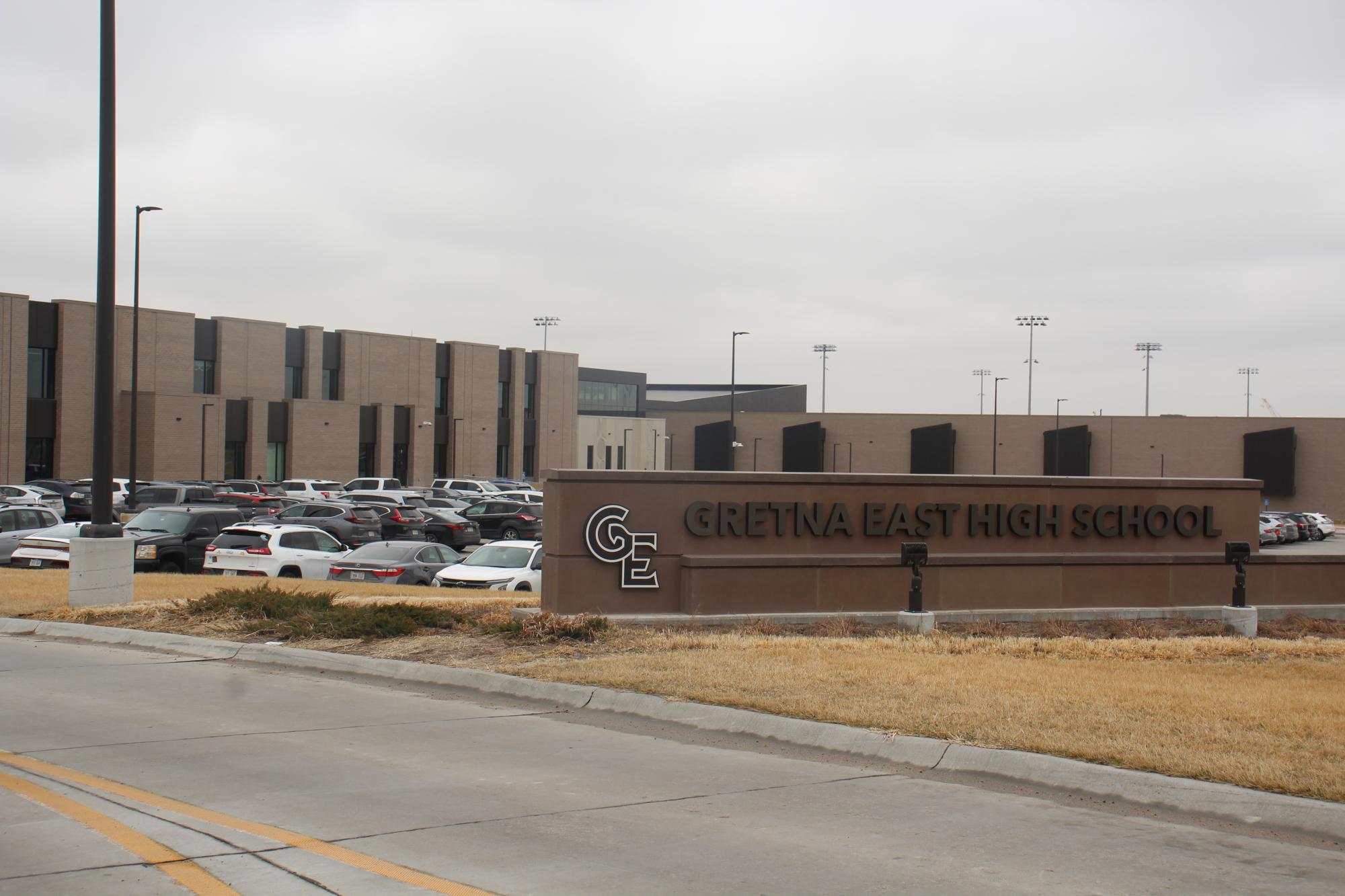
On These Sides of the Metro: Proud communities embrace growth, boundless opportunity amidst unprecedented suburban sprawl
By Tyler Dahlgren
Dr. Aaron Plas, Dr. Bary Habrock, and Travis Lightle sat down for lunch in a downtown Elkhorn barbecue joint recently. In charge of three of the fastest-growing school districts in Nebraska, the three superintendents had plenty to talk about.
On this side of the Metro, life moves fast, and Bennington, Elkhorn, and Gretna have become the gold standard for managing suburban sprawl and unprecedented population booms while clinging to traditions and cultures that, for many years, defined what were once small towns.
Passing a school bond is no stroll in the park, but for these three surging districts, it has become an art form, born out of necessity. So what’s the blueprint? We asked the trio of superintendents and hit record. Theirs is a story of radical transparency, land banking, and a friendship forged over shared experiences and BBQ at Boyd & Charlie’s.
In most places, a 1% increase in enrollment points to a busy year. These leaders are dealing with growth rates that annually top 7% and beyond.
"I don’t know when I signed up for this job if I knew what was to come," said Habrock, who is in his ninth year as superintendent of Elkhorn Public Schools. "But I understood the growth of the community pretty well, and we’ve had to be flexible with really over four decades of growth."
In Bennington, the numbers are equally staggering. Plas points to 3,600 available lots currently in the pipeline. There’s pressure, sure, but Plas tries to see it as a privilege.
"We’re constantly trying to figure out how to operate the next year with so many more students than we had the previous year," Plas said. "When you are building buildings and setting up systems, you’re having a generational impact. We don’t take that lightly."
If there were a "Nebraska Playbook" for bond success, the first rule would be pretty simple: Trust is the only currency that matters.
"Transparency is the cornerstone of trust," said Habrock. "The way this works is you bring your needs to the community and they vote ’em up or down. You have to look ’em in the eye, tell ’em the truth, and answer their questions as candidly as you can."
And behind that trust, there must be some element of financial wizardry. Bennington recently passed a $112 million bond for its second high school with a "0.0 cent" tax rate increase. By strategically retiring old debt as new bonds are issued, they keep the levy stable.
"Our community has consistently supported efforts to reduce debt," Plas noted, which creates a "buy-in" loop where voters feel like valued, invested partners rather than ATMs.
Lightle, who transitioned from a Gretna fifth-grade teacher to superintendent over a 20-year span, adds that communication must be modern. Coming out of the pandemic, GPS overhauled its digital presence.
"Our story was being told on social media without us, and it wasn’t always positive," Lightle said. "We decided to take control of it. If you have a question and you can’t find the answer, call, but you should be able to find it somewhere."
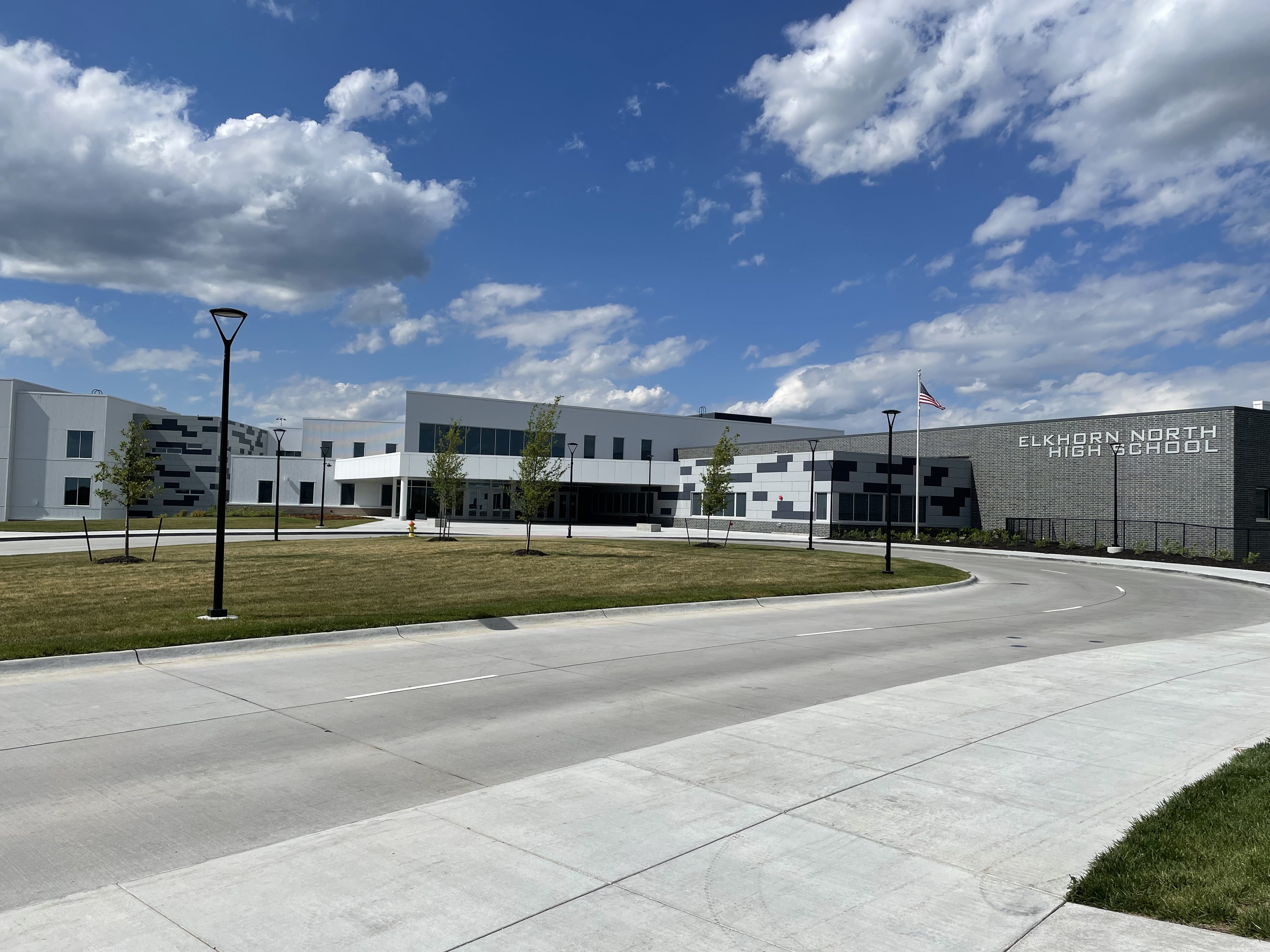
Perhaps the most impressive feat of these three districts is their foresight in land acquisition. They are competing with commercial developers for flat ground, and they are playing the long game, banking land for building projects that are a decade or two from breaking ground.
"Our board has always been out ahead," Lightle said. "We currently own land for two more elementaries and another high school and a middle school. I’ve always said that I like building, I like projects, I like construction. That stuff has never scared me."
In Elkhorn, the strategy is even more defensive as the district nears build-out on its south side.
"If you don't get it now, you won't get it ever," Habrock said, noting that while his predecessors might have passed a bond and then gone shopping for land, that isn't an option anymore. "I’ve got money in my pocket and I promised delivery of a new school. Buying land is kind of an under the gun type of thing. We’ve had to be more proactive in securing sites ahead of bond issues."
This foresight requires superintendents to become amateur civil engineers. Plas joked that his expertise has shifted from pedagogy to plumbing.
"You learn a lot about city infrastructure,” said Plas, who came to Bennington from Lakeview Community Schools in 2023. “I’ve never cared where the sewer lines were before. Now I know exactly where they’re running. That’s where the homes are going to show up."
When a district grows from one high school to two, like Gretna has, or even from two to three, like in Elkhorn, the "one-town, one-team" identity inevitably fractures. Managing this "pruning and regenerating," as Habrock calls it, is the most delicate part of the job. The key, he explained, is equitable talent distribution.
"It was more difficult going from the Antlers to the Storm than it was from the Storm to the Wolves," Habrock reflected on Elkhorn’s expansion, which has included 12 successful bonds since 1992. "We’ve been really purposeful about dividing our talent and our experience when we open new schools. You don’t want to be robbing Peter to pay Paul. You want to have not one successful high school, but three."
Not too long ago, Bennington was a little town off Highway 36, completely separate from Omaha. The Badgers competed in Class C, and the old high school (now the administrative offices) was located right across from Main Street. An influx of new families has helped cement a new, unified identity. They’re building a future they can be just as proud of as their past.
"Almost all of our patrons move here for the school district," Plas said. "So many people are new that everybody is looking to lay down their roots together. It helps us create one big family."
While their students might be rivals on the turf, the three superintendents serve as a private support network. That’s the neat thing about this profession, said Habrock, who, like Plas, started his career in education teaching in Centennial Public Schools.
“We’re willing to help each other, though the circumstances of each community are somewhat unique,” Habrock said. “Most of us go to schools that are longstanding and have been in existence for many, many years. And a few of us have the unique experience of being able to start new schools and the challenges that are embedded in that. And of course, we want to rely on each other to make sure that we share lessons learned and success stories.”
"Travis has been a great resource for me," says Plas. "Especially on the opening of the second high school. He helped us through what that could look like."
Likewise, Lightle calls on Plas’ proficiency when dealing with anything financial-focused.
"He’s quickly becoming a leader in the state in that area,” Lightle said. “He’s usually one of the first phone calls that I make."
All three noted the role a school board plays in a successful bond proposal. Boards are similar to a referee, Lightle explained, in that stakeholders might not even notice them when everything’s running smoothly.
“I’ve always believed that when the community has trust in its school board, and the school board has trust in the superintendent, and the superintendent has trust in the principals, and the principals have trust in the teachers, and the teachers have trust in the students, that’s what makes the school ecosystem go,” said Plas. “If there’s a break anywhere in that chain, things become a lot harder for everybody.”
When Lightle landed in Gretna a little more than two decades ago, the district had just three schools in operation. Ten buildings later, that seems hard to fathom. But it’s true, and there are no signs of the sprawl slowing anytime soon.
Here on these sides of the Metro, things move fast.
"As long as we stay true to what’s made us great,” Lightle said, “our people, relationships, and putting kids first, we’ll continue to thrive.”