
12 Acres of Opportunity: Field research conducted by Wilber-Clatonia students finds its way to publication
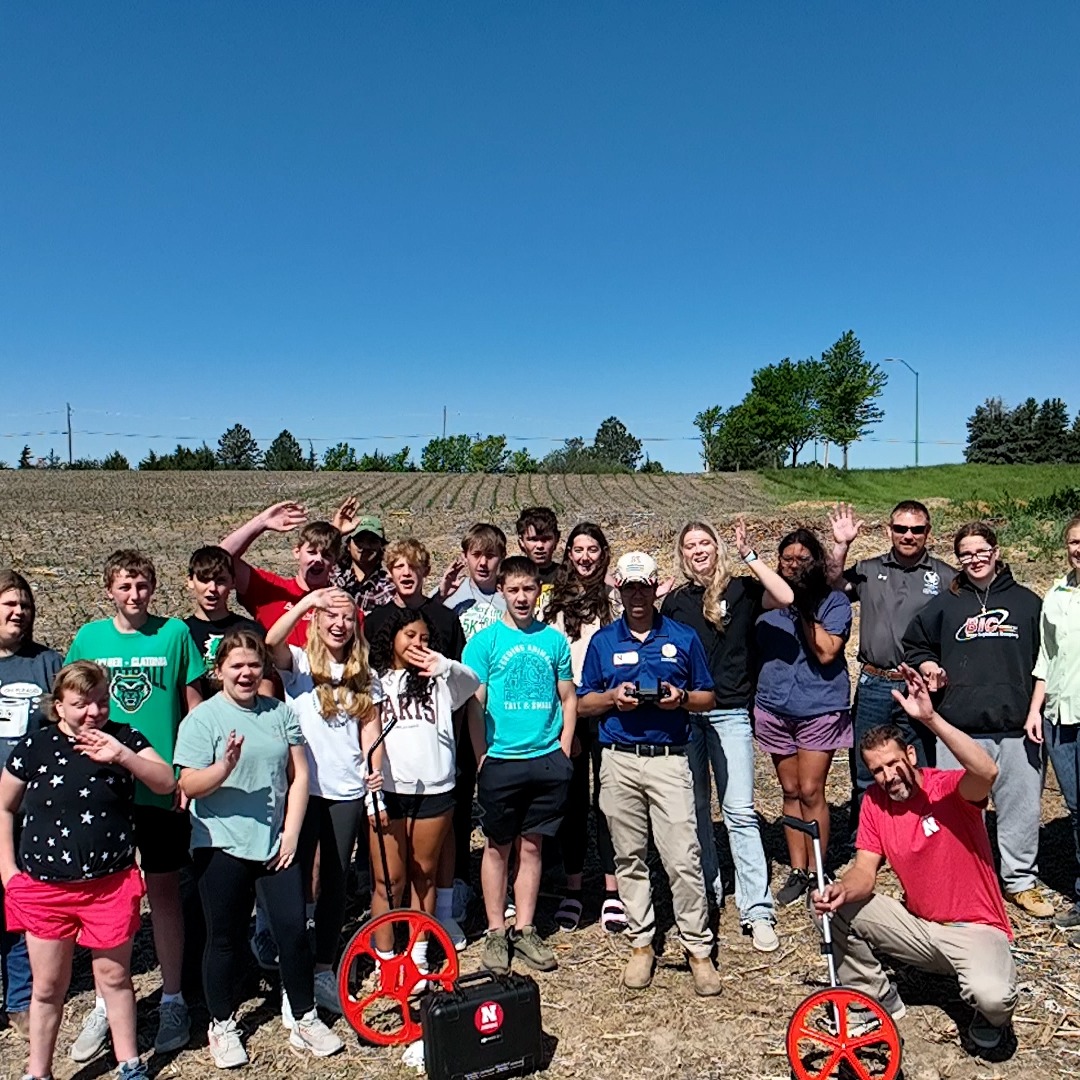
12 Acres of Opportunity: Field research conducted by Wilber-Clatonia students finds its way to publication
By Tyler Dahlgren
Cara Holtorf gives a top-notch tour of Wilber-Clatonia’s Lambert Zoubek Agriculture Science Center, a facility that houses everything from an industrial kitchen to a walk-in freezer to a state-of-the-art greenhouse. There’s rabbits, chickens, sheep, a few goats and other barnyard animals, too.
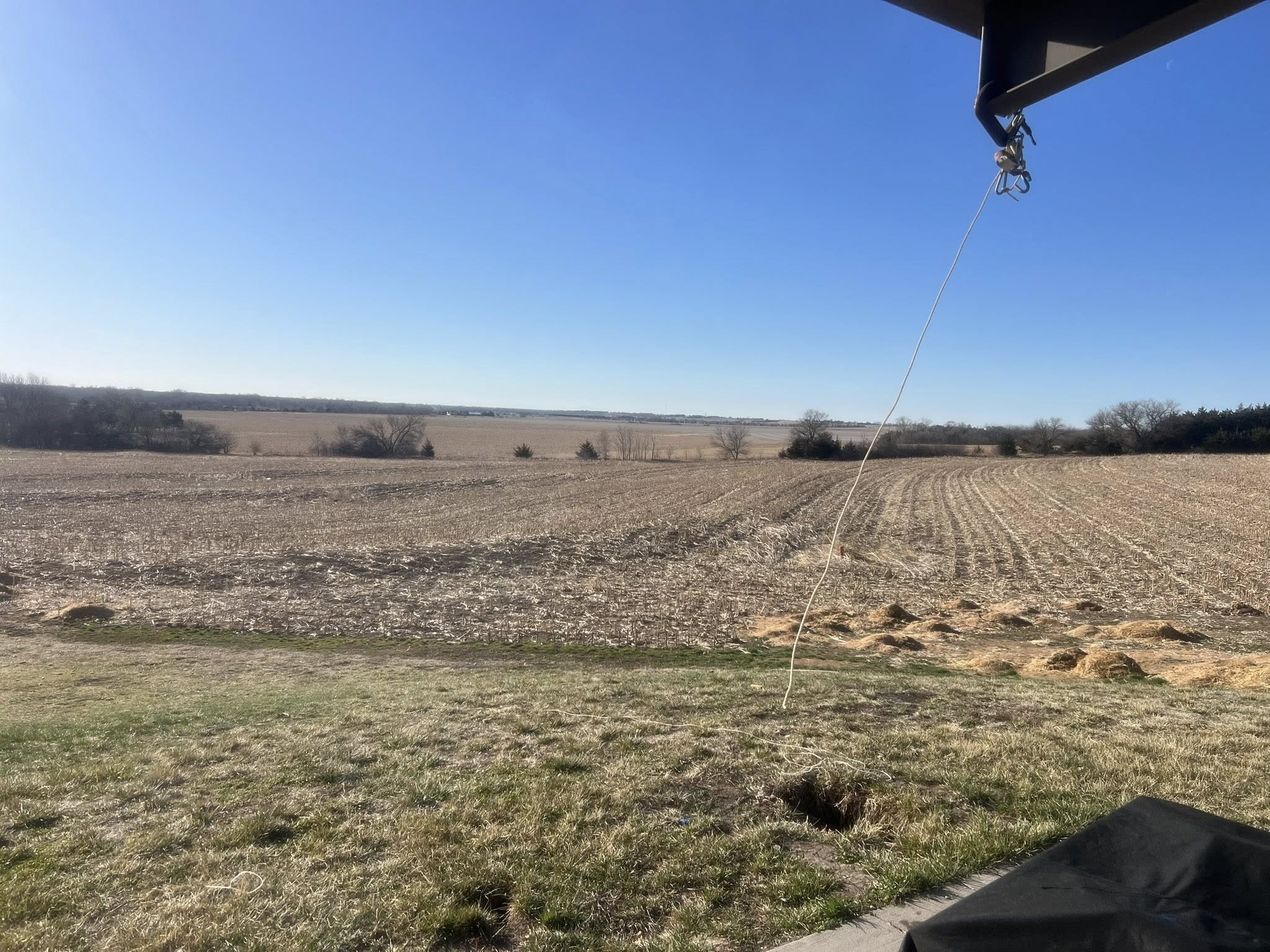
Then the agriculture teacher and FFA adviser opens a door and looks to the south. It’s a wind-whipped day in mid-March, and the sun is shining over the district’s 12-acre farm, spilling right into the classroom we’re standing in.
“That’s all yours?” I ask. Holtorf smiles and nods.
Wilber-Clatonia students are doing some neat things out there, too. That’s where this story begins.
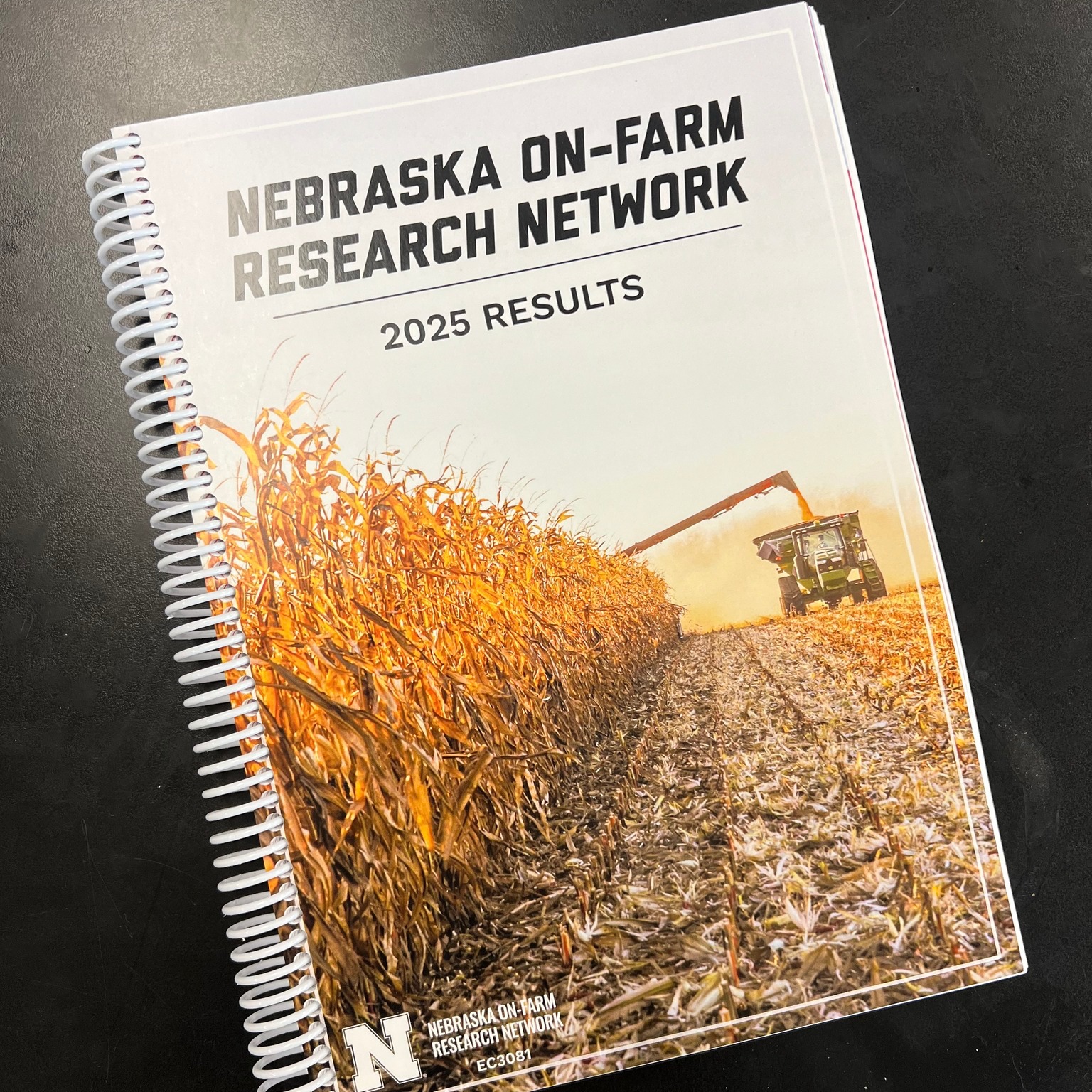
Earlier this month, a group of Holtorf’s students had their research, titled "Evaluating Drone Stand Count Accuracy in Corn," published in the 2025 Nebraska On-Farm Research Network. To anybody’s knowledge, it’s the first time a high school program has seen its work included in the popular annual publication that usually has its pages filled by university agronomists and professional producers.
The journey began with a partnership. When Matheus Ribeiro joined the UNL Extension team in Saline County, he brought with him a passion for data and research. Connected to the school by a board member, Ribeiro saw an opportunity to turn the school’s 12 acres into more than a teaching tool.
"He was like, ‘I know you’ve got this field out here. What do you think about doing a project and involving students?’" Holtorf recalled. "I said yes, of course. I want someone in the industry who has those connections to do some sort of project with students."
The goal, to test the reliability of Artificial Intelligence (AI) against the gold standard of "ground-truth" manual labor, was simple but technically demanding. In collaboration with UNL’s Testing Ag Performance Solutions (TAPS), a drone was deployed to fly the acreage, using multispectral imagery and AI-based image analysis to estimate corn stand counts at the V2-V3 growth stage.
Then came the hard part. To see if the AI was accurate, the students had to go out and put their findings to the test. That led to a lesson in the gritty reality of field research. While the drone could map 12 acres in a mere 25 minutes, the manual validation required hours of painstaking work.
"One of the main challenges we faced was the wind," said Kelsey Zoubek, a senior who has been in FFA for six years. "One of the days we were supposed to fly the drone, it was so windy we had to reschedule. Another day, it was super muddy and not everyone had proper shoes, but we did our stand count anyway."
Junior Kian Morris agreed that the manual labor was a test of patience. They got to know their farm like the back of their hands.
"The challenge was keeping accurate hand counts," Morris said. "I learned that drones can count crops way easier and faster."
The resulting data, now enshrined on page 110 of the NOFRN publication, showed a remarkably high correlation (r=0.87) between the drone’s AI and the students’ manual counts. However, the research also revealed a critical nuance, as the AI underestimated the stand by an average of 1,249 plants per acre.
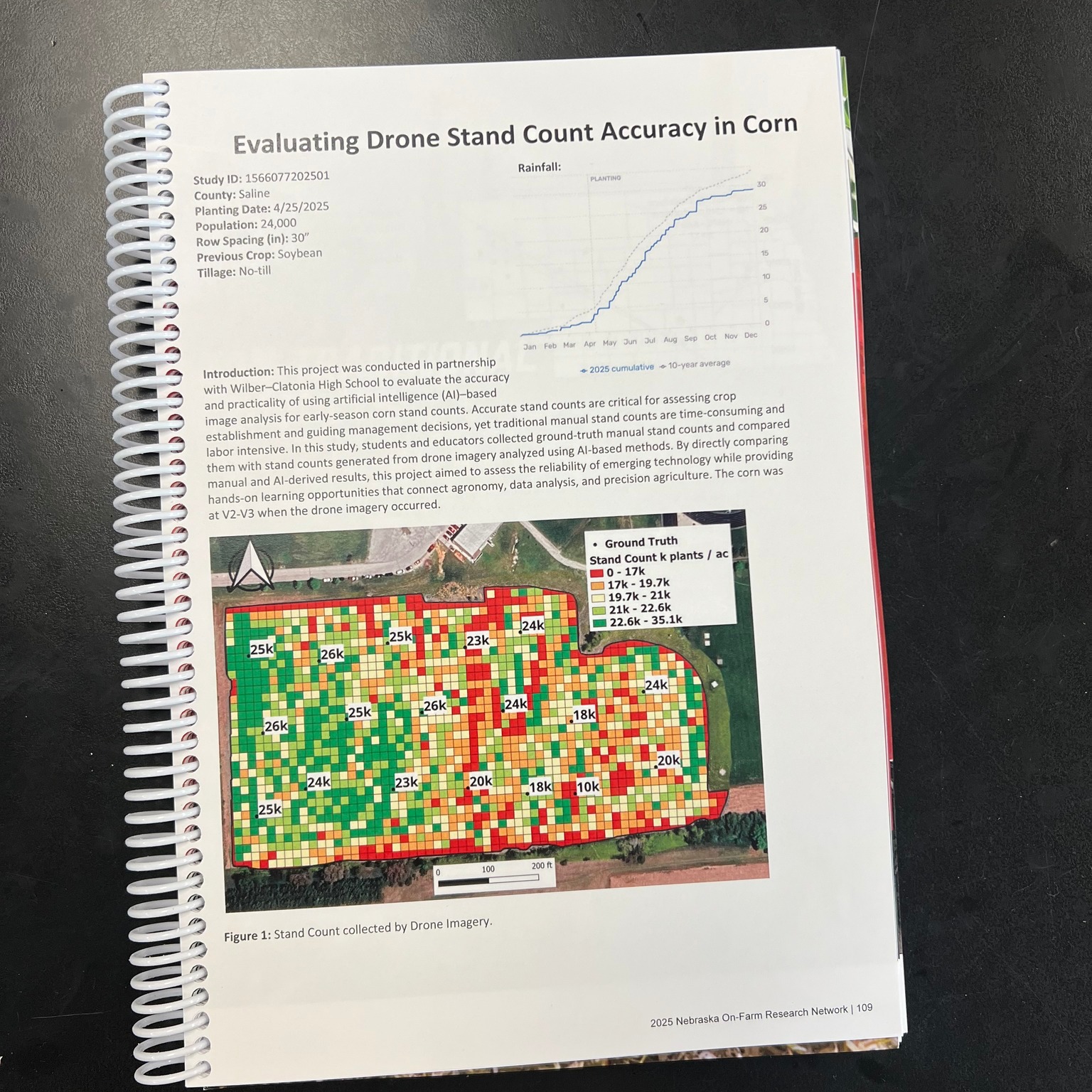
For a farmer, that’s not just a number. It’s a management decision. As the publication summary notes, variables like tillage, row spacing, and crop stage can influence AI accuracy. By identifying the discrepancies, the Wilber-Clatonia students provided real-world data that helps Nebraska producers understand exactly when to trust the drone and when to double-check the math.
Wilber-Clatonia is a rural district about 40 miles south of Lincoln where agriculture is the lifeblood of the community. Of the school’s student body, Holtorf sees nearly 120 students through her doors annually, with roughly 100 active in FFA at the high school level. When students sweep the streets of Lincoln for next week’s State FFA Convention, you won’t have to search far nor wide for a Wilber-Clatonia Wolverine.
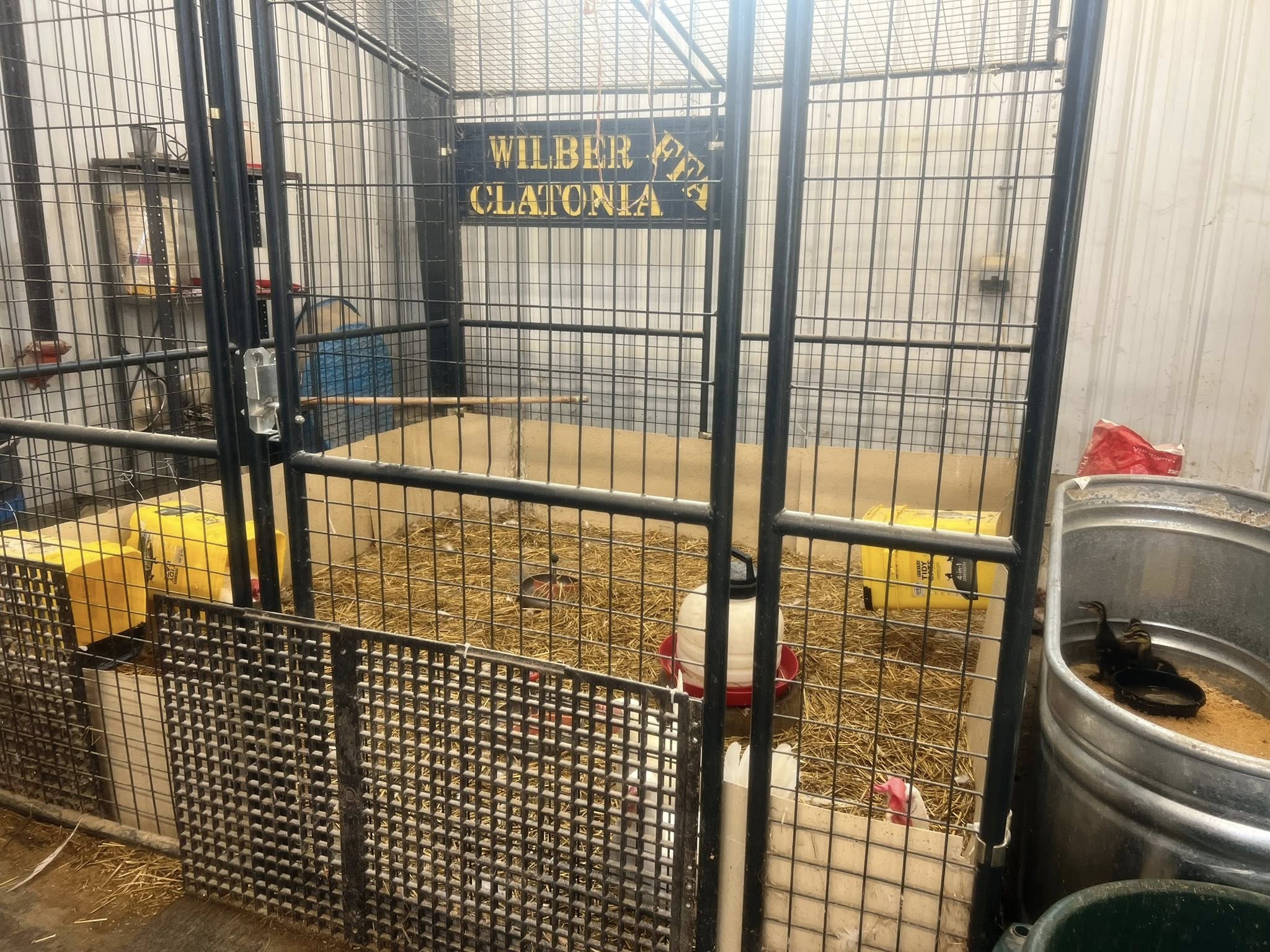
"I always say it’s kind of an island," Holtorf said. "Sometimes you get forgotten about on an island, but a lot of times you get to have your own thing. We’re on an island at times, but it’s a good island."
The majority of Holtorf’s students come from multi-generational farming backgrounds, but it isn’t a prerequisite or anything. Holtorf teaches an Introduction to Ag class, where all are welcome.
“FFA has so many different avenues students can take,” Holtorf said. "There’s something for every student in here, whether they have a farming background or not.”
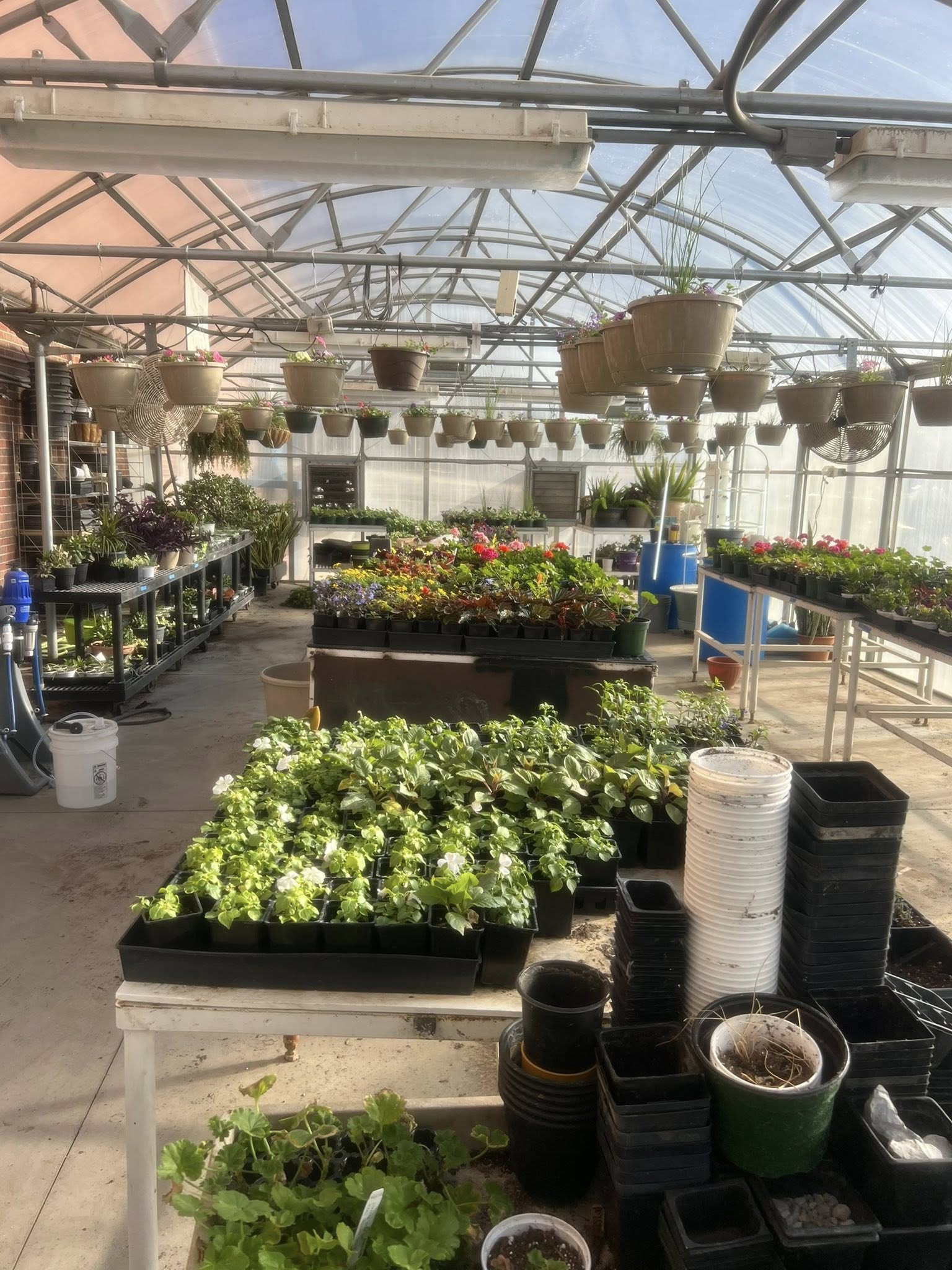
After all, we’re all agriculturalists at the end of the day.
“I tell the students, ‘Food, fiber, and fuel is how you got here today. You are an agriculturalist. Congratulations.’”
The research, which was conducted last spring, was an eye-opening experience for all involved. Even the students who grew up on a farm were surprised by the level of technology currently available.
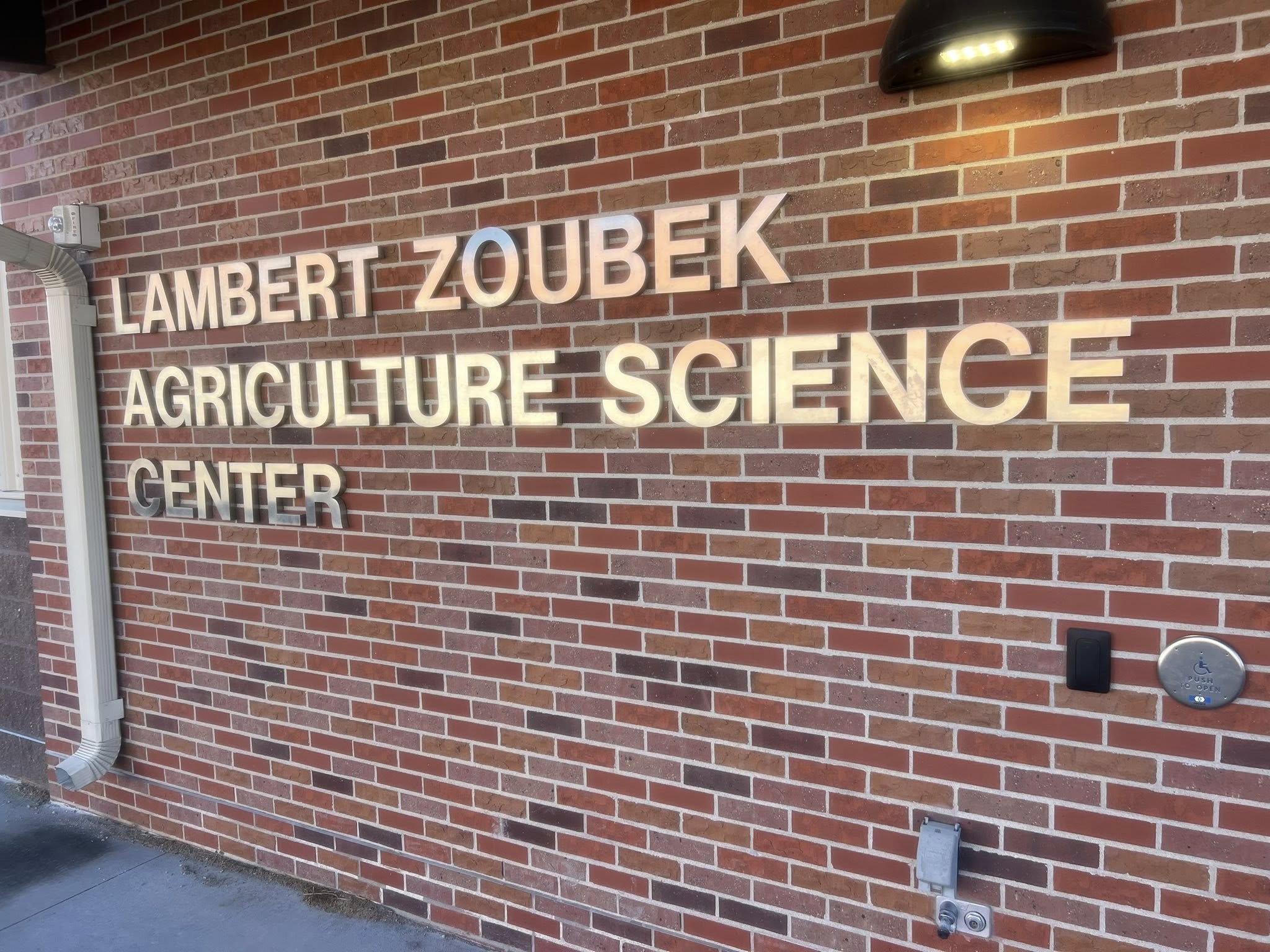
"They knew about drones for spraying, but they weren't aware that they could take a picture of a six-inch corn plant to count it," Holtorf said.
Their research has turned into a point of pride in and around the community. Parents and local farmers have asked for copies of the results. One student is already planning to take the data to the farmer who manages the school’s planting to discuss management changes for the next season.
"I was super shocked when I saw the published version of our work," Zoubek said. "It makes me feel accomplished and proud that I was a part of something that could make an impact on the agriculture industry forever."
For Holtorf, the project’s success is about student empowerment just as much as it’s about student achievement. She watched as her Plant Science students moved from "just doing an assignment" to taking full ownership of the findings, and has even had 2025 graduates who were involved in the work reach out for a copy.
"There were some that, after they got the hang of it, really took ownership," Holtorf said. "They wanted to see the actual data and see the conclusions. It was really a full circle moment of ‘This is why we test.'"
The success of the drone study has opened a door that Wilber-Clatonia doesn't plan on closing. With the support of an administration that recognizes the value of hands-on agriscience, and an extension partner like Ribeiro, the future is exciting.
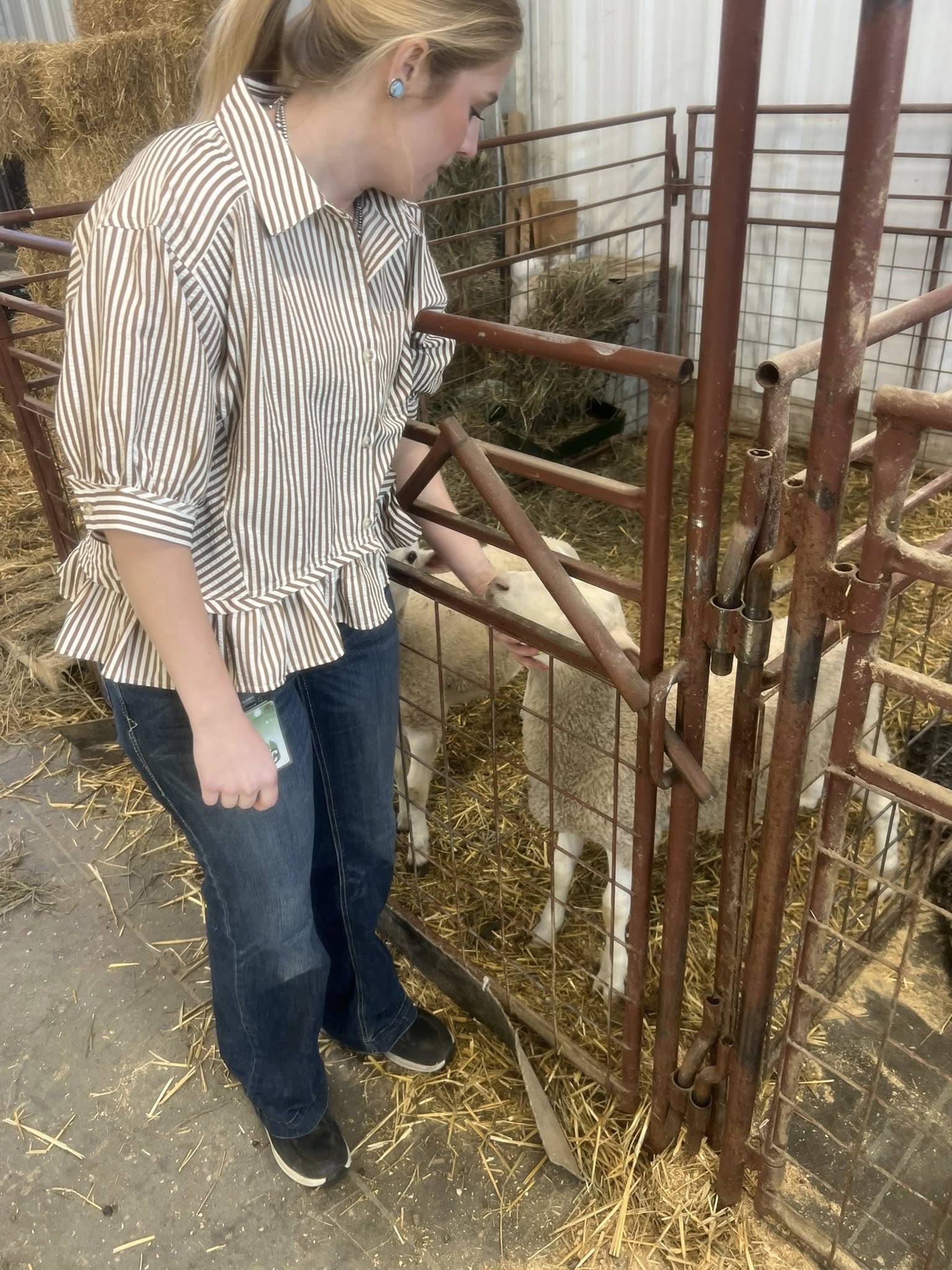
“Our administrators are from smaller towns and they know how agriculture impacts our communities,” Holtorf said. “They see the value in it and how important Ag is to our students. They’re just really supportive of everything we do in here.”
As the industry moves toward a future defined by AI, precision nitrogen management, and autonomous scouting, students at Wilber-Clatonia aren't just reading about the change in a textbook. They’re the ones peer-reviewing it, and they have the farmer’s tans and muddy boots to prove it.
Knowing that their hard work is going to benefit farmers across their home state? Well, to a group of high schoolers, that’s priceless.
“That makes us feel very good,” said Morris. "Helping people and making things easier for people is the main goal in life.”