The House the Bluejays Built: Construction class’s project concludes on a "great day to move a house”
The House the Bluejays Built: Construction class’s project concludes on a "great day to move a house”
By Tyler Dahlgren
The breakfast crowd at Cheri-O’s in downtown Ashland was in high spirits Monday morning. The charming corner do-it-all diner pulsed with all the usual cafe sounds–the clanging of plates, laughs shared between old timers and old friends and “How do you do’s” from the regulars.
Maybe the unseasonably warm weather was responsible for the good vibes. Perhaps hometown hero and Nebraska hooper Cale Jacobsen’s clutch performance to push the Huskers past Iowa in overtime the day before was the culprit. Whatever it was, Cheri-O’s was a good place to be.
“The house those high school kids built is coming down Clay Street!” someone announced by the coffee bar. The chatter escalated.
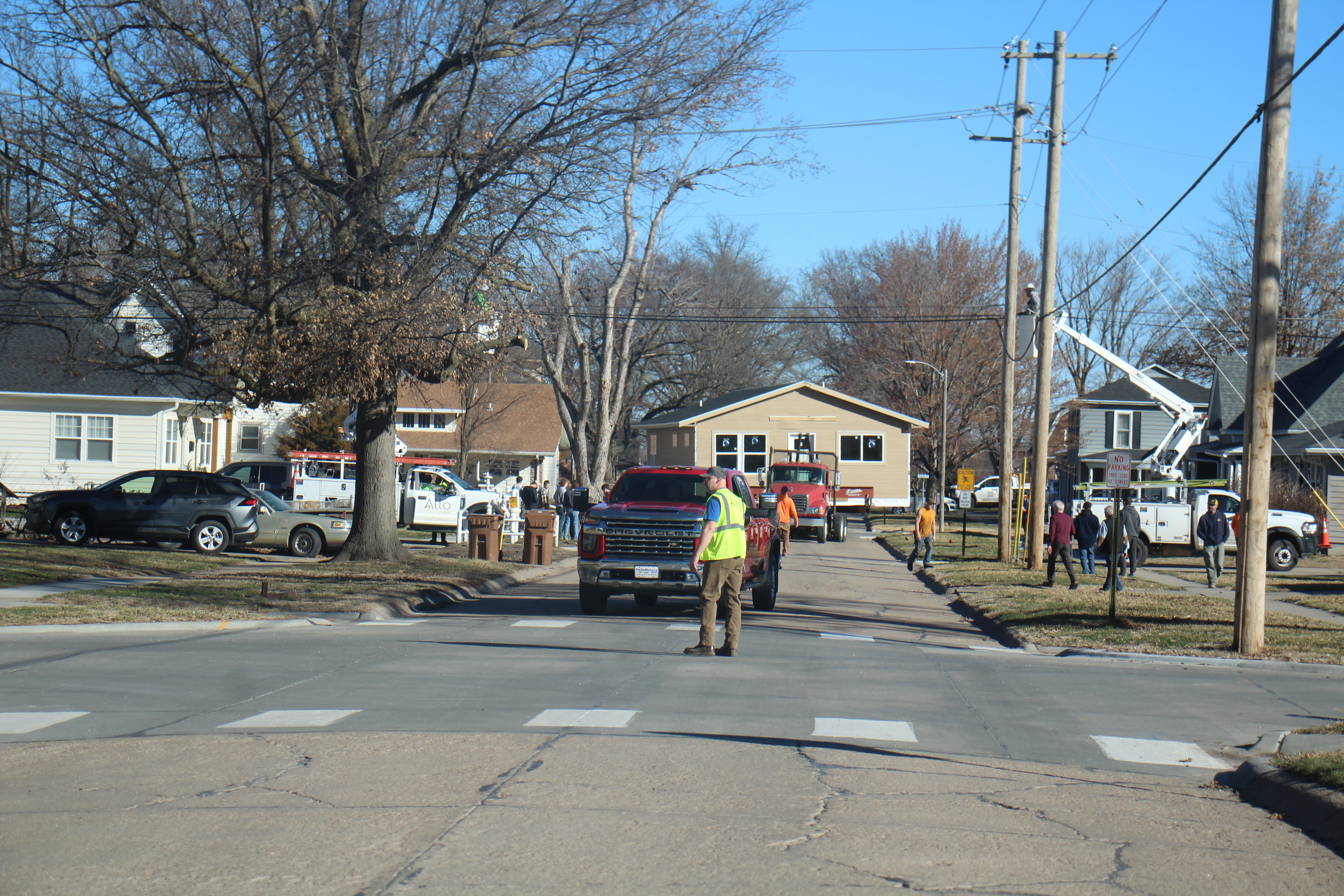
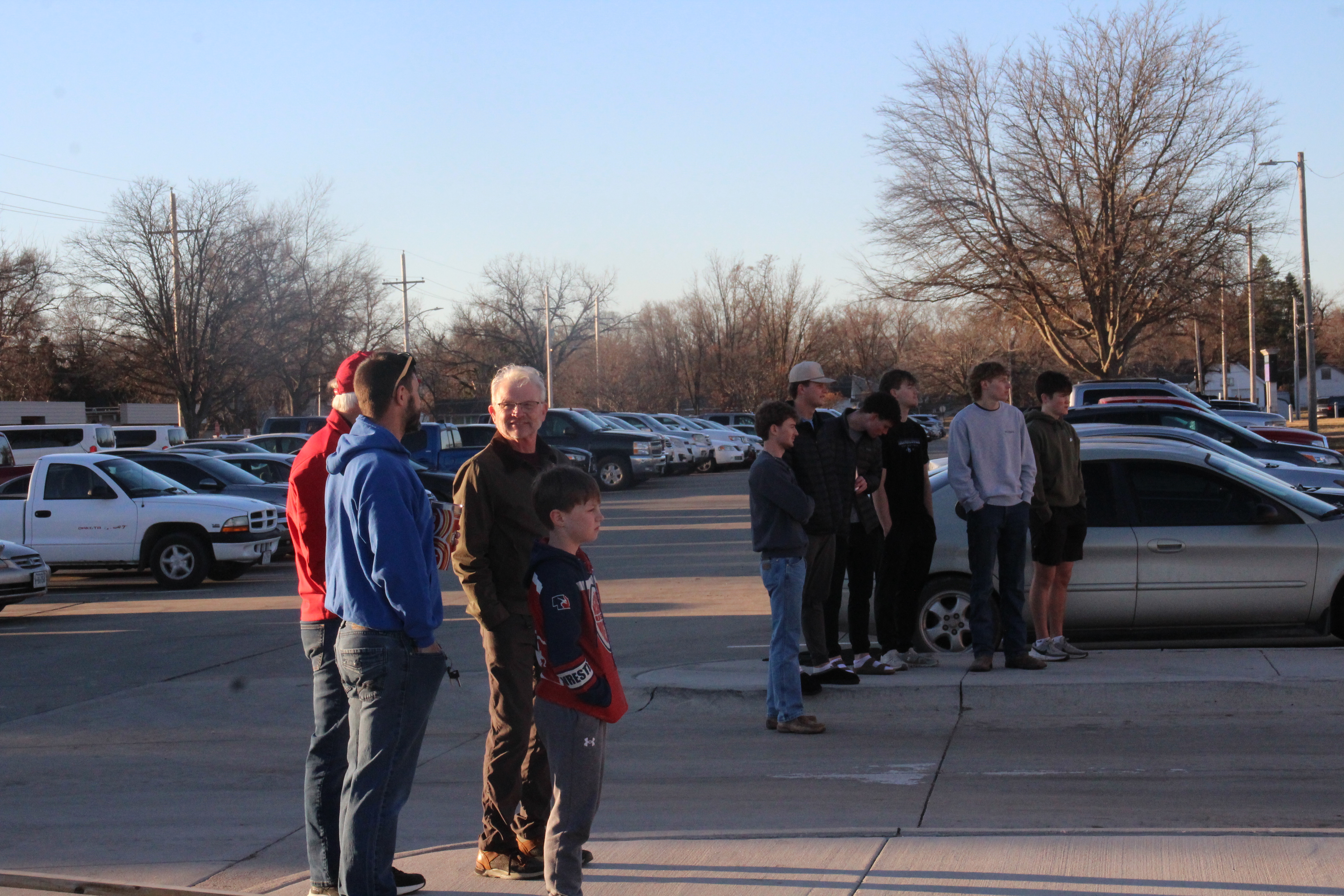
A couple hours earlier, principal Cortney Couch stood south of Ashland-Greenwood High School and watched as a crew prepared to transport Dustin Foutch’s construction class’s biggest project yet to its permanent spot across town.
“It’s a great day to move a house,” said Couch.
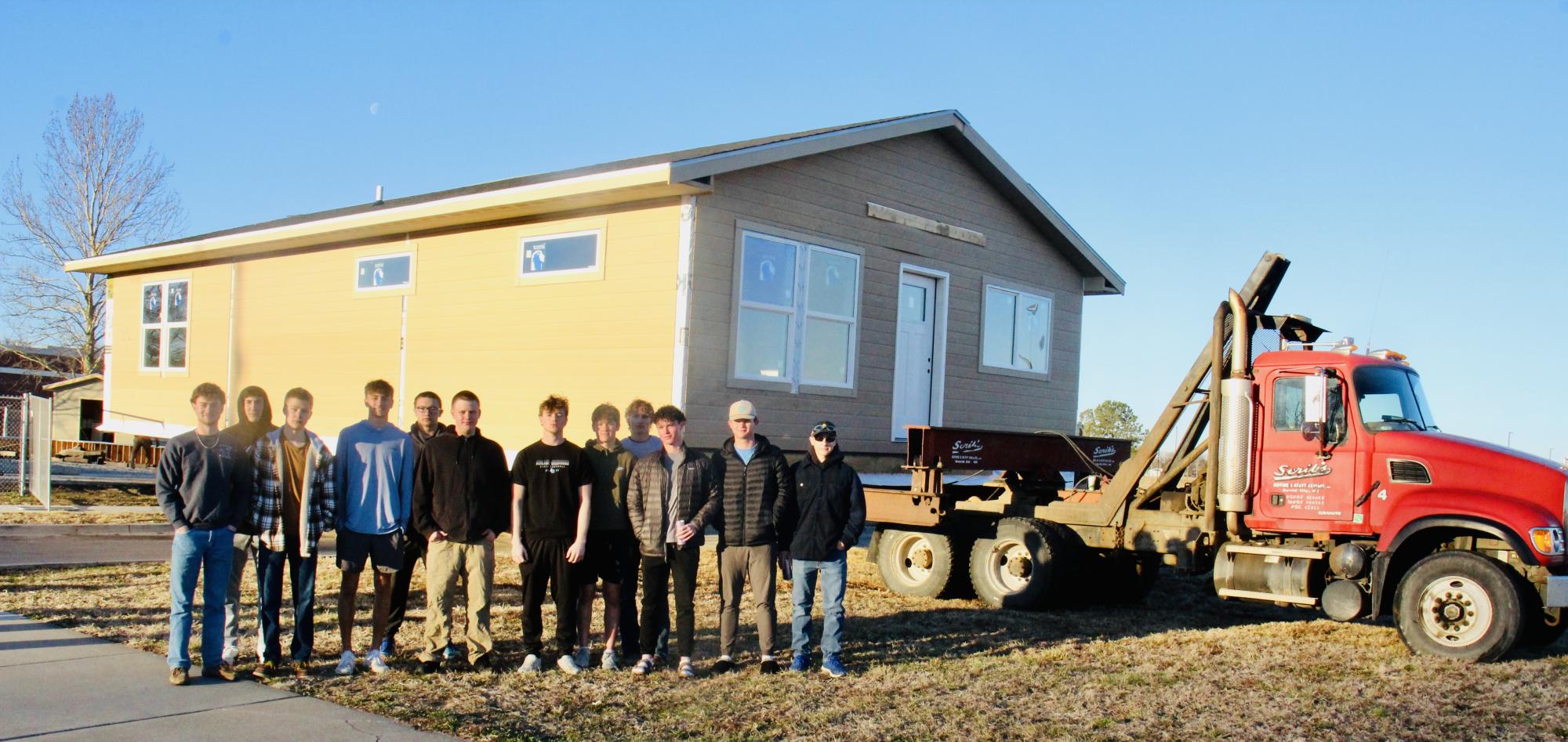
The 12 construction students gathered near Couch just after the morning bell rang. They lined up on the sidewalk, watching eagerly as their three-bedroom project literally left the premises.
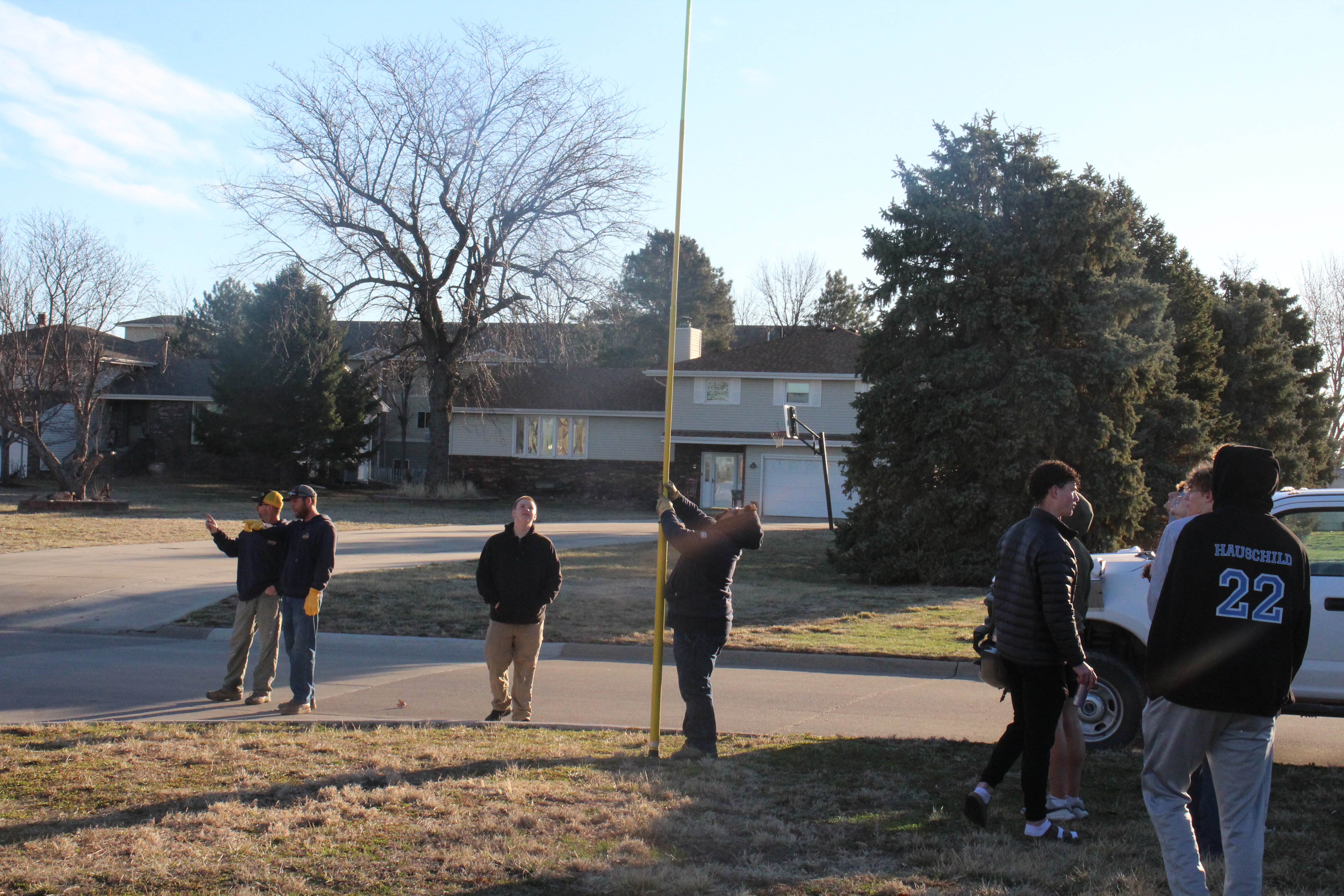
Guided by the expert hands of Scrib’s Moving and Heavy Hauling and flanked by OPPD crews carefully lifting power lines like a high-wire act, the structure trekked across town. For Foutch’s class, this was the ultimate final exam. Their house was headed to its permanent foundation.
The scene was a far cry from the traditional woodshop classes of decades past. At Ashland-Greenwood, they’ve shifted from birdhouses to blueprints. The district built a house last year on 22nd and Boyd. This year they brought the job site to the students. By building on-site at the school, the project became a living laboratory.
Their progress was visible to passersby, and the house became a talk of the town.
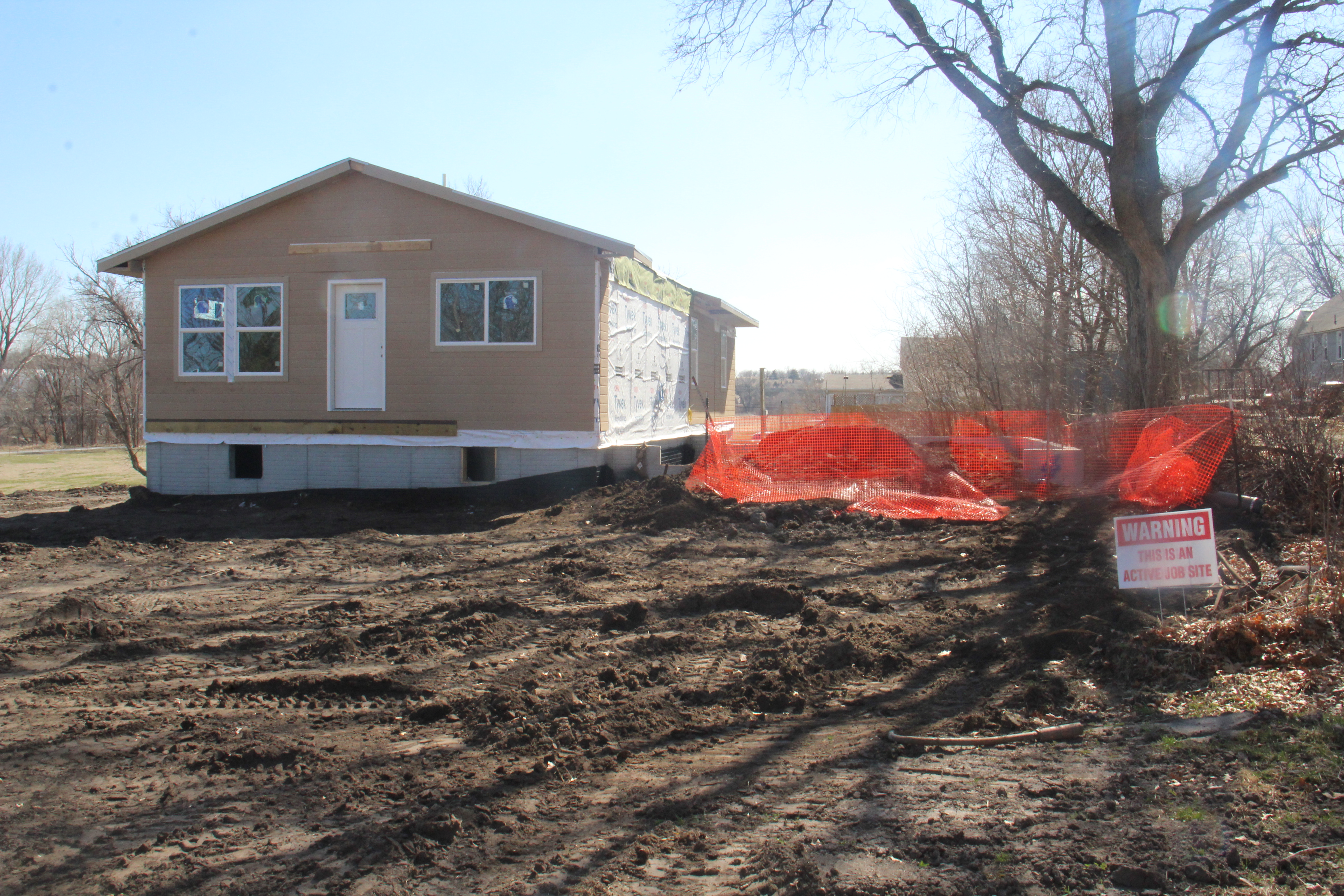
"We thought, if we could build it on site, we can just move it afterwards," Couch explained. "The district owns lots by the intermediate school. The basement is poured and ready to roll. Once we get it set, the kids will frame the garage, finish the roofing, and pour the driveway. Then, we’re done."
The project addresses a dual crisis in the dwindling number of skilled tradespeople and the skyrocketing cost of rural housing, as the house is already pre-sold to an English teacher.
"We target teachers because we’re trying to keep young teachers here, and affordable housing is hard," said Couch, who came to Ashland-Greenwood from David City last year.
Foutch is more than a teacher. He’s a point man. A former business owner who returned to education and a second stint with AGPS, Foutch doesn't treat his classroom like a room with desks, but rather a professional job site.
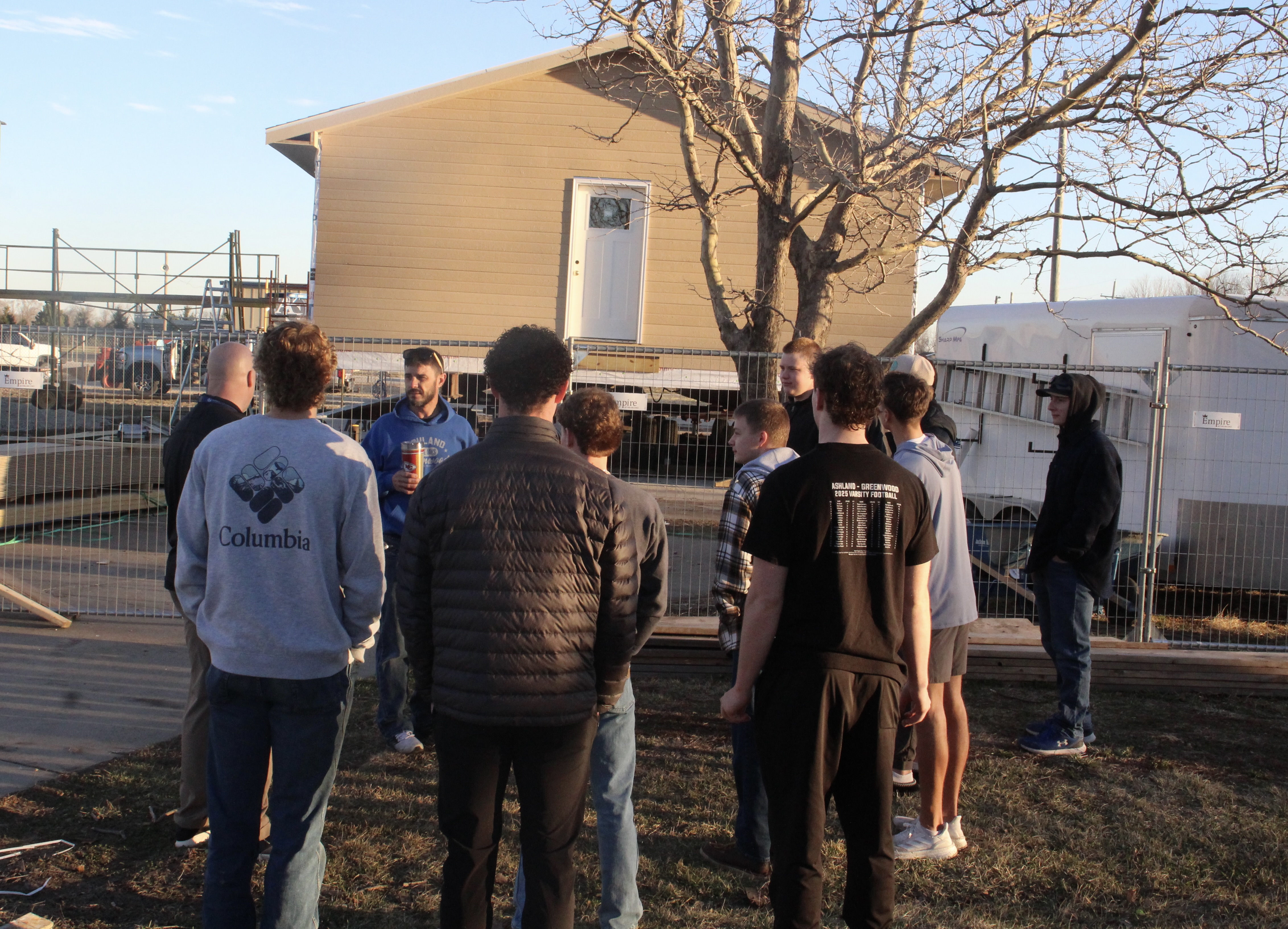
"Dustin runs a no-nonsense approach," said Couch. "He always says, 'If you get an F in my class, F means fired.' The expectation is the same as the real world."
Foutch’s background in the private sector is the secret sauce of the program. He didn't just teach the students how to swing a hammer. He also brought his Rolodex of subcontractors, including plumbers, electricians, and HVAC specialists, into the fold.
"I’ve had the idea for a few years," Foutch said. "The process has been amazing. From the support of the school, the administration and the community to the way the kids jumped on board. There was zero hesitation when I brought the idea to everyone."
For Foutch, the goal for his students isn't just to build a structure. No, he wants to light a fire.
"A lot of the seniors came into this class knowing they wanted to be in the trades,” he said. “Now, they’ve seen it all. They just have to decide which route they want to go."
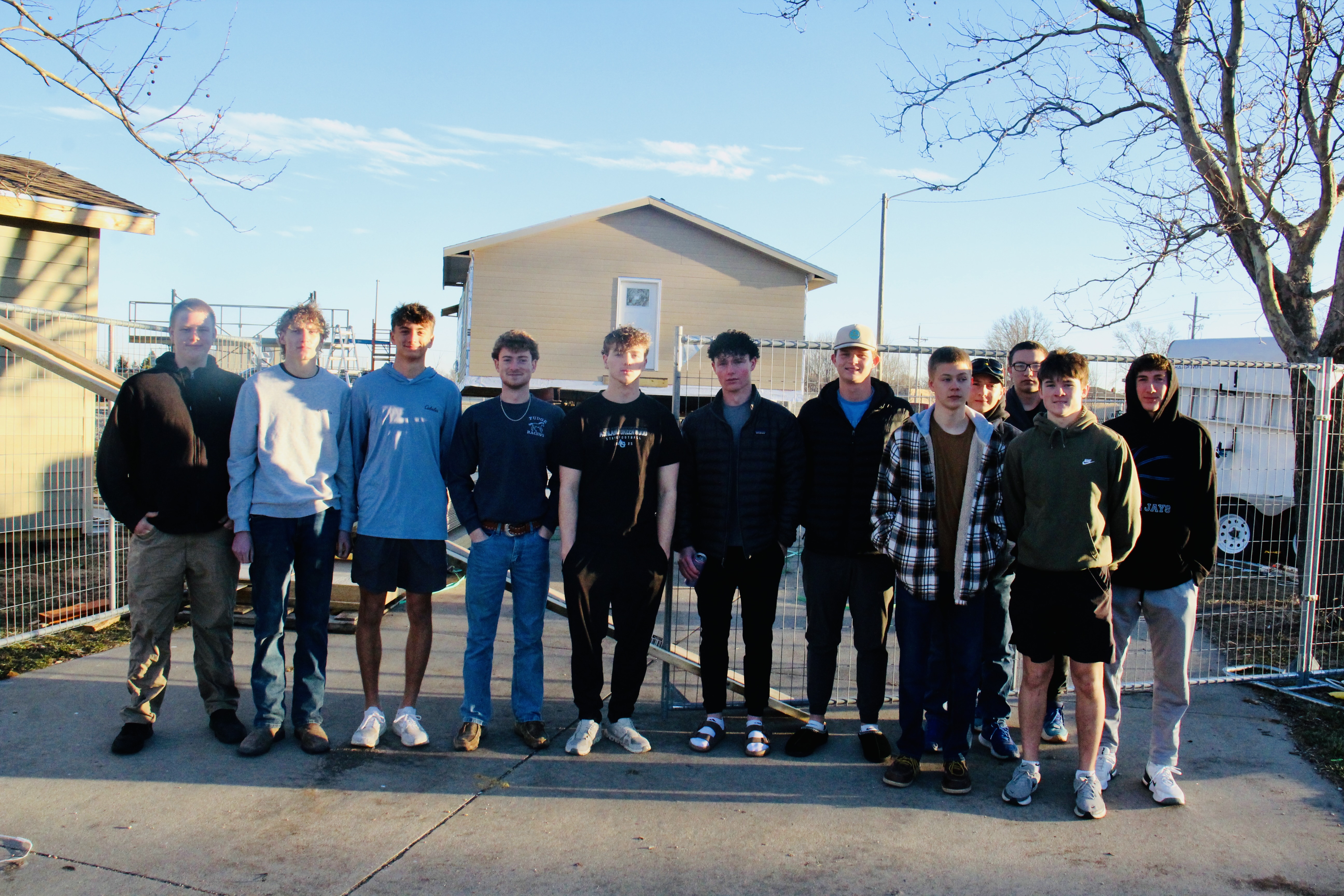
For the students, spending a period on the job site beats sitting in front of a computer screen every time. While their peers might be struggling with concepts in textbooks, juniors and seniors like Nicholas Greise and Jacob Zalesky are grappling with supply chains and time management.
"Getting all the stuff on time was a challenge," says Zalesky. "We had to learn time management."
Greise nodded in agreement.
"There were a few times where we had to wait to get materials, which slowed us down,” Greise continued. “But getting to actually go out there and do it ourselves gives us a lot more experience than sitting in a classroom looking at a PowerPoint."
The pride is palpable. While many high schoolers feel a sense of "senioritis" as graduation approaches, these students feel a sense of ownership.
"In any other school, we’d probably just be building sheds," says Grace. "We got to build an actual, entire house. It’s realistic to want to build my own house one day now."
Logan Fangmeyer, a starter for the Bluejays state tournament-bound basketball team, plans to attend Wayne State to continue his studies in construction management. He feels he already has a head start on his future.
"When I took the tour up there, I realized I’ve already done all the stuff they talk about doing," Fangmeyer said. "My confidence has gone up because I’ve learned how to talk to people in the real world. I’ve gotten new job opportunities from this, too. It’s been awesome."
The project is backed by a strategic partnership with The Builder Foundation, an Omaha-based non-profit focused on building the next generation of construction trade professionals, and their "Builders of the Future" initiative. Kirk Skiles, a program facilitator for the foundation, explained how a $200,000 grant from the Peter Kiewit Foundation helped spark the fire.
Five schools, including Ashland-Greenwood, received $40,000 each to kickstart their builds.
"Our goal is to get kids interested in the trades because it’s so important," Skiles said. "Last year, this program started with 12 students. At the beginning, only one was interested in the trades. By the end, six were. That’s encouraging to see."
Mark Bowder, the outgoing Program Director for the foundation, points to the "rubbing elbows" factor as the key to the program's success.
"When people call an electrician or a plumber now, they might hear 'I’m free in two months.' There’s a major problem with the trades," Bowder said. "But getting the kids to work alongside real professionals, seeing how they started, what the jobs are like, that’s what makes the difference. You can have a teacher talk about it, but rubbing elbows with a real tradesperson changes everything."
It’s often said it takes a village to raise a child. Well, in Ashland, it takes a town to move a house. The logistical feat of Monday morning was made possible by a community that doesn’t make a habit of saying “no” to its school.
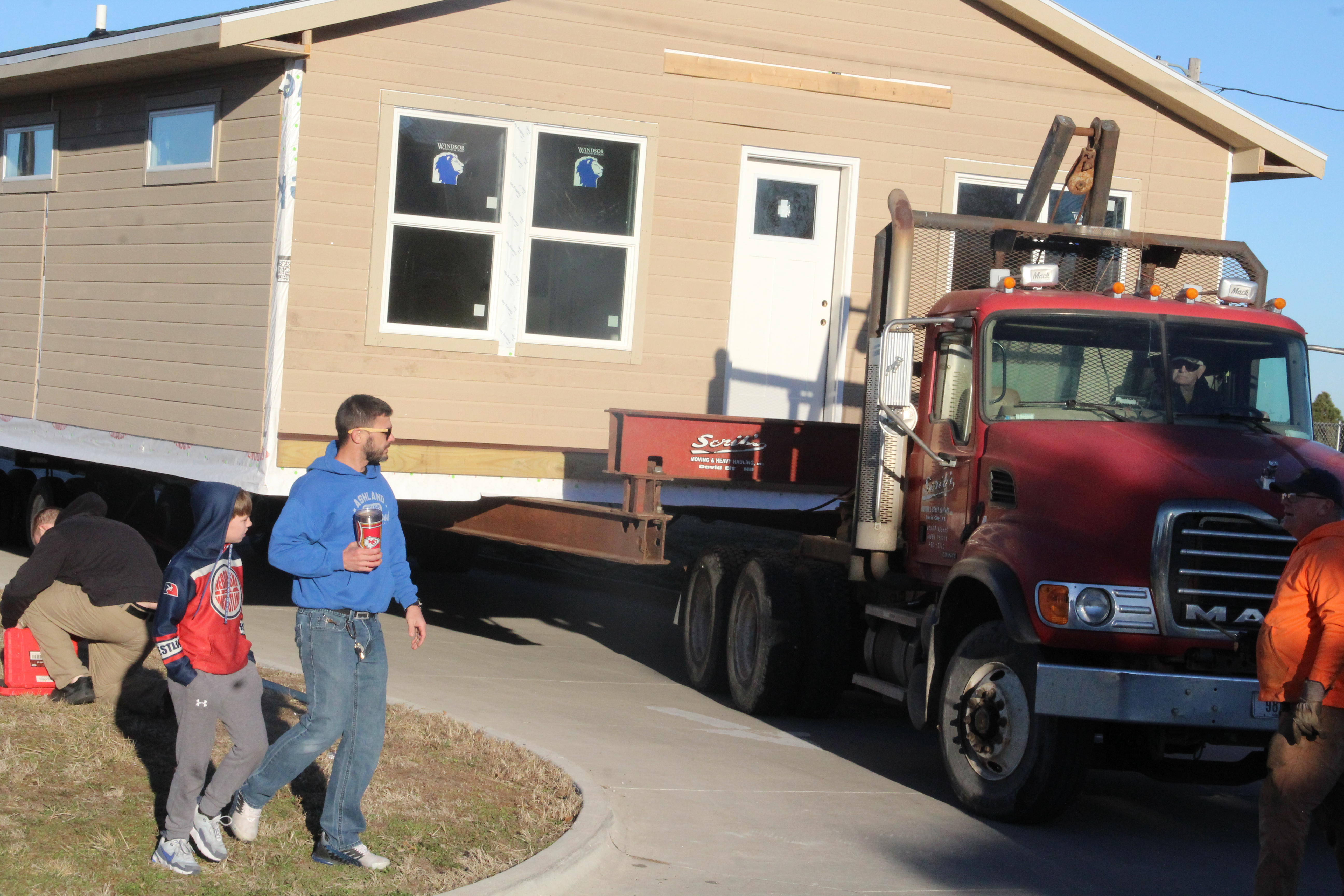
"In Ashland, everyone is a Bluejay," said Couch. "The way the town just rallies is really cool to see. People donate their time, their equipment, their expertise. Bill Scribner, who moved the house today, I knew him from David City. People just trip over themselves to help us."
From the local plumbers and electricians who mentored the students to the utility crews who cleared the path, the house move was the ultimate example of community support.
An hour-and-a-half after the start of the journey started, the house settled onto its new foundation near the intermediate school. But the work isn't quite over. There is still a garage to frame, a driveway to pour, and a finish line to cross before it’s move-in ready.
For Foutch’s construction class, the final exam is already a success. They have left a permanent mark on their hometown, a shining example of what can happen when a school district trusts its students with something real. Student empowerment at its finest.
"They really have taken ownership completely,” Foutch said. “The awesome part about it is that there are more people than just the 12 guys that I have here who’ve embedded themselves into it. Every time I see someone in the hall, it’s "Hey, how's the house doing?" or "Hey, when are we moving it?" My eighth-graders see it. So not only do my juniors and seniors get to work on it, but as my junior high kids walk over to the high school and see the project, they know, ‘Hey, that looks cool. I want to do that when I'm older.’”
Building a house. Now how’s that for a budding tradition?
"I always tell the kids," said Bowder, "once you've built something like this, and you get in your car and drive away, then you come back and look at it, that means you're hooked. I think a lot of these kids and their parents will drive by this place for years to come and say, ‘I helped build that.’"
Fangmeyer takes a second to think about that.
"That's really cool," he said.
The house reaches its destination, a plot of land across the street from the intermediate school. On the playground, kids hoot and holler and have the time of their lives. This new address will do just fine.
Morning turns to afternoon in Ashland. The house those high school kids built is no longer on the move, but it's still the talk of the town.