The Many, Many Pathways to Mullen
The Many, Many Pathways to Mullen
By Tyler Dahlgren
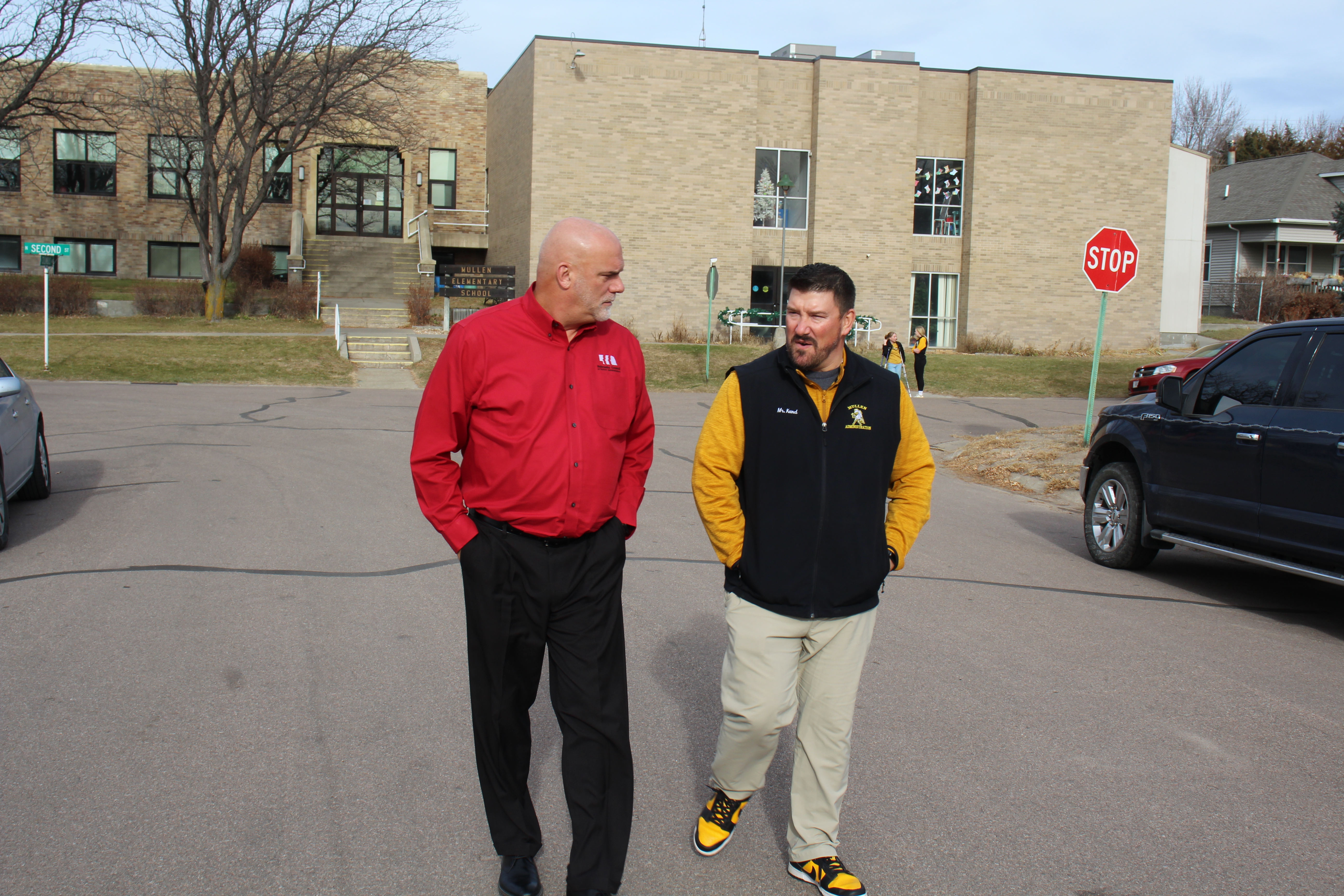
Mullen is small yet mighty. A town of 500 people smack dab in the middle of the Sandhills, it’s known for friendly people, world-class golf courses, and their beloved Mullen Broncos.
In this isolated but breathtaking landscape, the school serves as the cornerstone of the community. But behind the school’s tradition of academic, athletic and extracurricular success lives a unique story of homegrown ingenuity. In a district where applicants don’t always roll in, as superintendent Chris Kuncl puts it, Mullen has manufactured its own opportunity by looking inward and around town for non-traditional teaching candidates.
What they’ve found in the last couple of decades is sheer talent.
There are 11 educators at Mullen Public Schools who didn't follow the traditional four-year education degree path. Instead, they entered the profession from different careers or made the leap from para-educator to teacher. These 11 journeys, though different, are now interwoven into the fabric of a district that Kuncl describes as a testament of what can be done in a small, rural, remote area when the school and the community are committed to giving kids the best education they possibly can.
Mullen’s been on our bucket list for a while now. There was talk of an underground greenhouse that we needed to see, and the district was reportedly doing some neat things in terms of teacher recruitment and retention.
So, on a Tuesday in early December, we ventured east for a story. As you might have surmised by now, we ended up finding 11. Eleven different journeys that all led to the Sandhills, interwoven into the fabric of a small school district with a culture you need to see in person to fully appreciate.
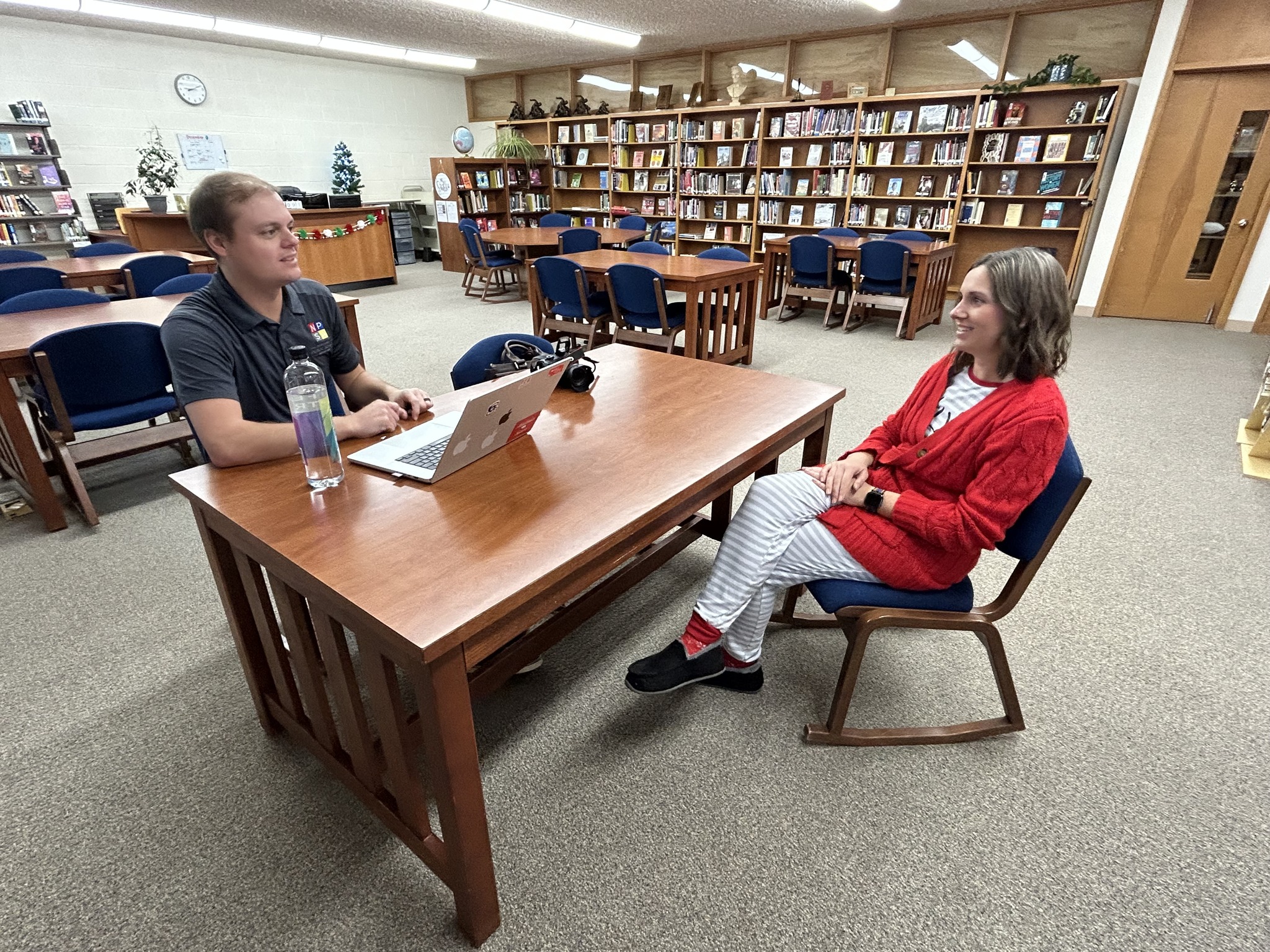
In 20 minute spurts, the Mullen 11 sat down, sporting their best Christmas pajamas in solidarity with the rest of the student body, and shared their stories.
"It’s truly a testament of what we can do in a small, rural, remote area when you don’t have a ton of applicants always rolling in," Kuncl said.
Instead of waiting for the perfect candidate to arrive from Omaha or Lincoln, Mullen has looked inward, near and far, finding talent on the links, in the banks and the ranching valleys.
These are the many, many pathways to Mullen.
A Diamond in the Sandhills
The anchor of this "grow-your-own" philosophy is Sarah Hardin, the 2026 Nebraska Teacher of the Year. Her path proves that an alternative background isn't a compromise, but rather an asset.
A graduate of O’Neill Public Schools, Hardin attended UNK and wanted nothing more than to become a ranger at a National Park after receiving her degree. Then one of her professors graciously pointed out that Nebraska doesn’t have any National Parks, so she pivoted and majored in biology with an emphasis in agriculture. After graduating, she worked as a crop consultant in Kearney before “following love” to Mullen in 2003.
Hardin landed a job at the recently-built Nebraska Land National Bank downtown and moved up the ladder rather quickly.
"The superintendent at the time, Jeff Hoesing, knocked on our door one Sunday out of desperation," Hardin recalls. "He said, 'I have a crazy question. Would you want to teach?'"
Hardin’s husband, a fiber optic specialist for the phone company and also a biology major, pointed at his and said she had the degree too. Hardin visited Hoesing and the science teacher in an informal meeting, looked over the curriculum and thought it all to be very manageable.
Weeks later, Hardin put her notice in at the bank and walked into the school.
“I think I was a little naive about how difficult a job it was going to be,” Hardin laughed. “I was really fortunate to have excellent mentors at the time, which I’m thankful for because the education classes you take can’t possibly prepare you for everything. Instead, teaching is like every job, where on-the-job training is the best training. There were lots of surprises, most notably around the demands of the job.”
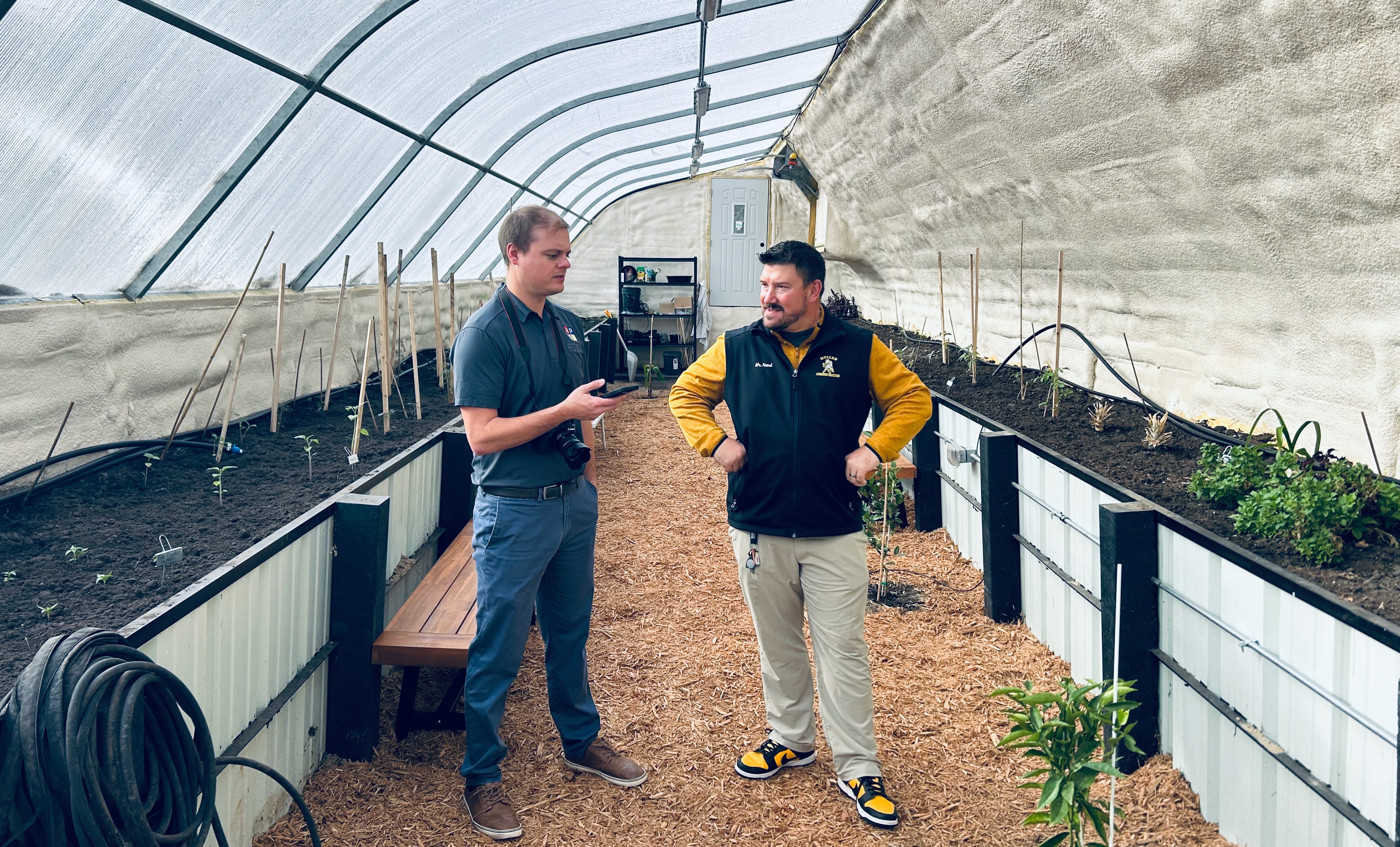
Hardin is now the visionary behind the district’s geothermal greenhouse, a project funded by anonymous donors who told her to "think big". Despite her national-level accolades, Hardin remains grounded in the daily grit of rural teaching. Nineteen years later, you can still find the Nebraska Teacher of the Year staying late and arriving early.
“Just the little things the kids get excited about, that’s what makes every day exciting,” said Hardin. “I always say I teach the best subject. Getting kids excited about science and excited to learn when they don’t even realize they’re learning, that’s the reward. It’s awesome.”
Receiving the Teacher of the Year award was completely unexpected, and a monumental honor. She plans to use her platform for the next calendar year to advocate for rural schools.
"If you want a job that’s meaningful, become a teacher," she said. “I get told by people who don’t work with kids, ‘I don’t know how you work with teenagers.’ And my response is always, ‘I would much rather work with teenagers than adults any day.’”
It’s the teenagers, after all, who are endlessly curious. They’re not stuck in their ways, and they’re open to new things. Come to think of it, they sound a lot like their teacher.
“I have former students who have become engineers, doctors, nurses, and it doesn’t get more rewarding than being able to say that.”
Extraordinary Journeys
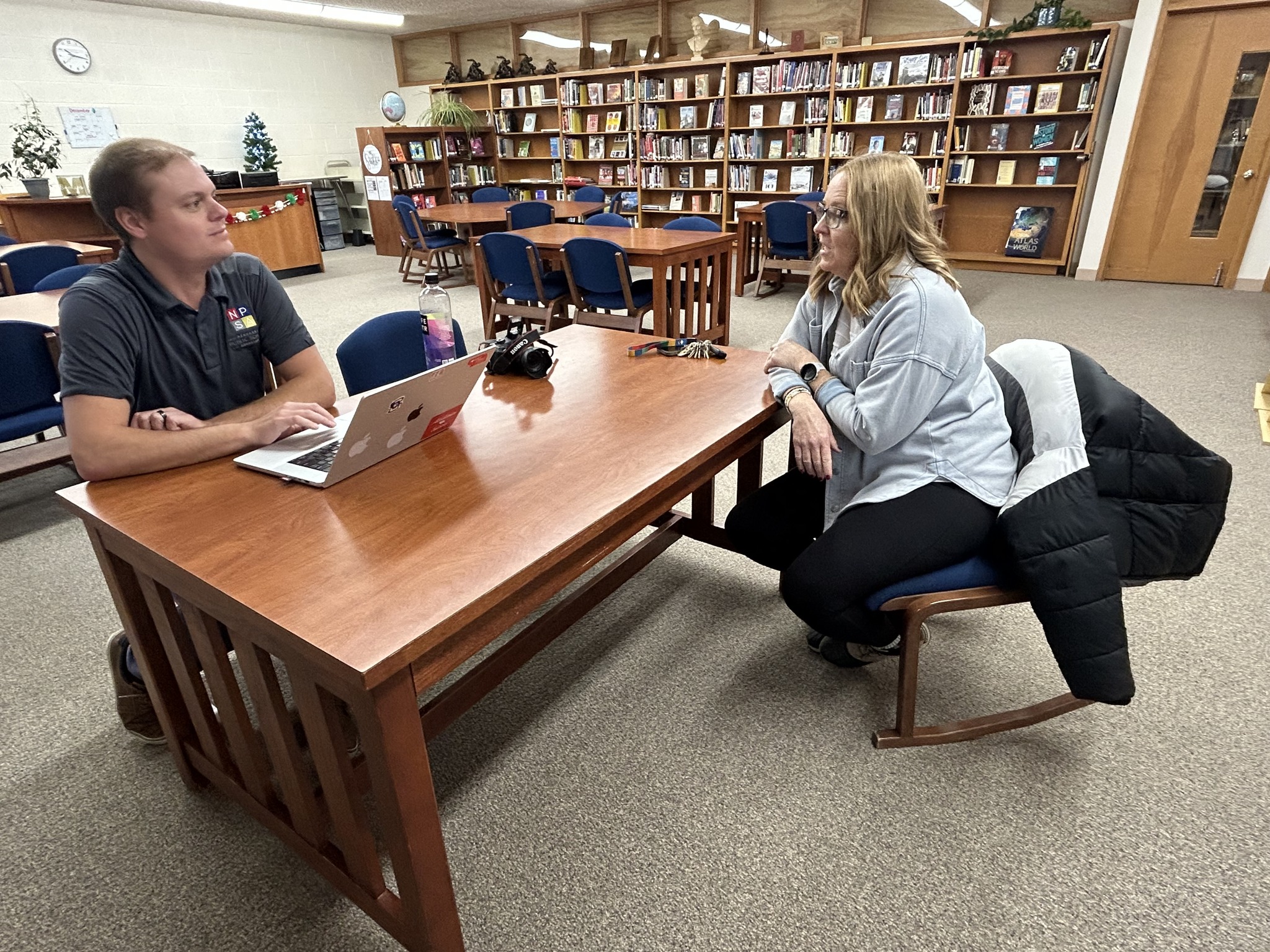
Perhaps no story illustrates the hidden expertise of Mullen better than that of Ron Taylor, Mullen High School’s mathematics teacher. Long before he moved to the Sandhills, Taylor was a graduate student at North Carolina State working on a nuclear physics project for NASA.
Yes, you read that right.
"When Reagan got out of the office and we lost our funding, our project died," said Taylor, a Minden native who received his undergrad from UNK.
After that, Taylor said he "fell through the cracks" and ended up back in Nebraska running a car dealership for 30 years. Eight years ago, he woke up on a whim and realized he was ready to teach. He found Mullen at a job fair and was immediately struck by the community’s warmth. An avid golfer who likes his peace and quiet, the golf courses were appealing too.
Taylor’s transition wasn't without its hurdles.
"Those first couple years were tough,” he said. “I had my goal, but I had no method or plan to get there. We didn’t have any curriculum written up for math. We have that now.”
Taylor’s 30 years in business gave him a unique brand of classroom management.
"Working in the car dealership, I learned patience and problem resolving," he says. “Confrontation, too, how to talk a situation down.”
Not that there’s too much of a need for that at Mullen. The students here are mature beyond their years. Bad behavior is hardly ever an issue, save for some seniors skipping to the front of the lunch line last year, Hardin laughed.
“Discipline in the classroom is not a problem,” Taylor said. “I might raise my voice a couple of times here and there. I’ll bark and they’ll settle down a bit. But no, I fell in love with this school and community. Everybody I met on my first day here was friendly and inviting.”
The students are capable of amazing things, too. They’re constantly leaving Taylor struck with their ingenuity and creativity when it comes to problem solving. From time to time he has former students reach out with math problems. He’s always happy to oblige and lend a hand.
“Their talent is impressive,” Taylor said. “It’s just like, ‘How did you do that?’ It’s not always the right way, but my goodness, it works. I love seeing their ingenuity.”
For Taylor, the move to Mullen eight years ago was a life-changing pivot, one he hasn’t regretted for a second. He enjoys the quiet and the drives where it “feels like you’re the only car on the road.” When he underwent back surgery recently, the staff stepped in as family. Everybody wanted to help.
"The people here care," he said simply. "I wish I could have been doing this my entire life."
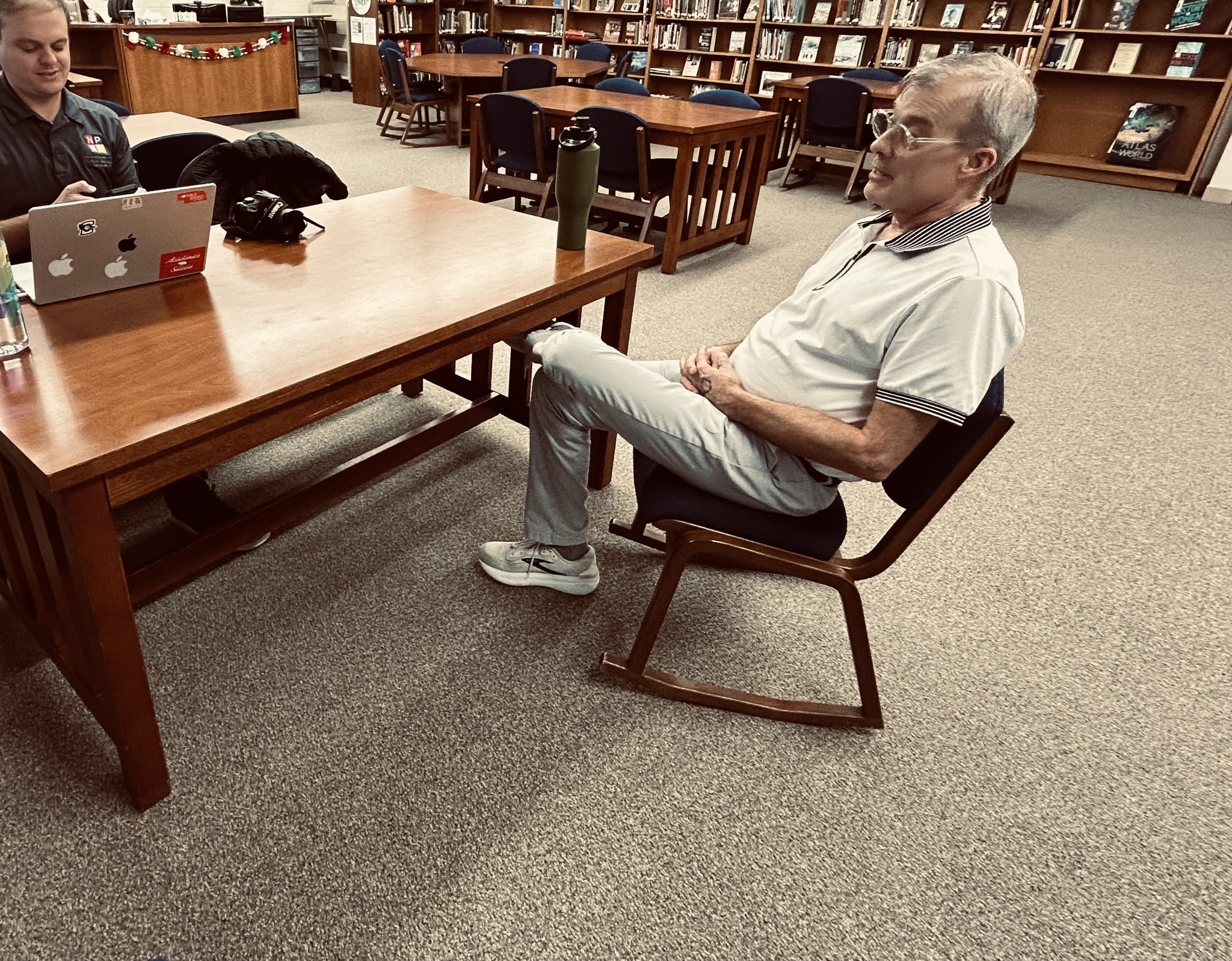
Equally extraordinary is Dominique Werner, the foreign language teacher originally from the Dominican Republic who goes by Doe. A native speaker of English, Spanish, and French, Werner was a collegiate golfer for the University of Miami.
Werner’s path to the Sandhills is a story in itself. She practically grew up on a golf resort in the DR, where her family worked. When it’s warm in the U.S., the booming golf business in the Caribbean slows a bit, so Werner would follow her father to a golf course in Lincoln during the summers. There, she met her future husband, a UNL student who would go on to manage the prestigious Sand Hills Golf Club.
Werner worked at the club for years, running the finances until her two sons grew up. Then she looked into the UNK transition to teaching program. She already had a degree in Spanish, so the process wasn’t too complicated or time-consuming
"It's an awesome challenge, because for many years I was the only native Spanish speaker in this town," she said. “What pleasantly surprised me was the reception that I received, especially when talking about personal experiences growing up in a foreign country and bringing those experiences to the classroom and having a little street cred behind what I teach.”
Werner, who still runs the golf club’s finances while teaching foreign language to 6-12 graders, admits the emotional weight of teaching was unexpected, especially compared with working in business. Teachers invest in their students, through the good and the bad. It's part of the gig.
“My expectation coming into teaching was very romantic,” Werner said. “This is going to be great. They’re going to listen to me. They’re going to do what I say. Even though I’m a part-time teacher, bringing home everybody’s feelings, everybody’s emotions and troubles, that was hard to turn off those first few years. I’ve since gotten better.”
Watching the students gain an appreciation for the subject matter and an understanding of how it'll be beneficial in their futures is rewarding in itself. Werner's students have pen pals from different countries, and she often brings in professionals from the community to speak with students.
Relationships, Werner has learned, are the main thing. To be an effective teacher, you first must have to establish connections.
“I think that’s what makes this school so mighty, is that we all appreciate and value how well-educated our staff really is,” she said. “It’s not just a classroom, it’s a lifestyle, and that’s the coolest part.”
Werner spent her youth on a golf course in the Dominican Republic. Now, she has a family and a million memories made in the Nebraska Sandhills. That's quite a contrast, but it blends beautifully.
"This place seemed just fine," she said when making the move to Mullen more than 20 years ago.
Turns out, she was right.
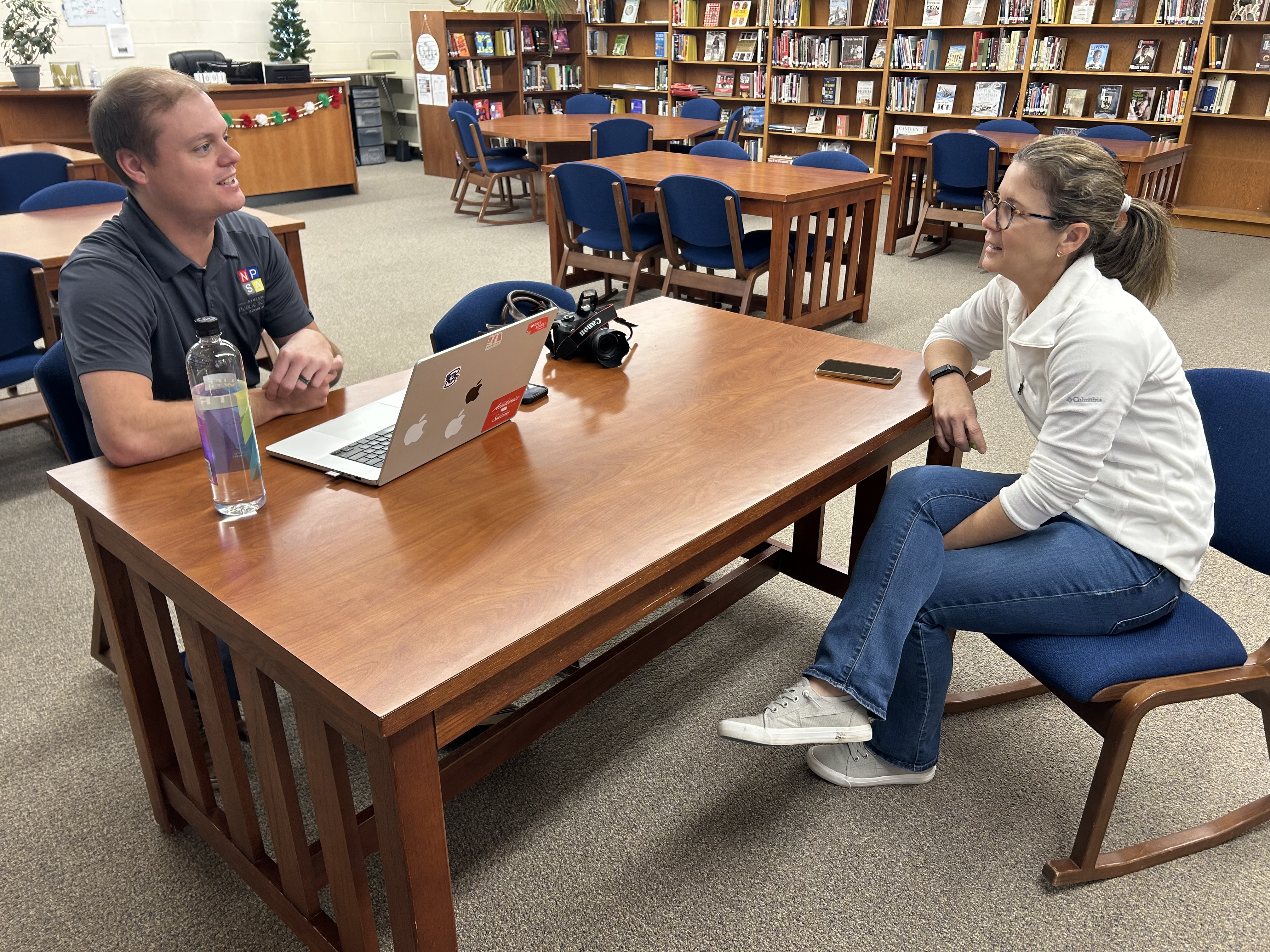
Returning to their Roots
For Melissa Donohoe, Mullen’s Tech Director and Business teacher, the path was a 13-year journey back to the very room where she sat as a student.
"I was that typical, wanted to get out of here, would never be back," the 2000 graduate of Mullen High School says. “Growing up in this area, we were highly connected to golf, so that’s what I did. I thought I’d be in golf forever, and then I had my first son and realized golf life isn’t always conducive to family life.”
Donohoe entered the classroom through the UNK transition program, bringing a DIY spirit to the district’s infrastructure. Out here, that kind of mindset is practically a prerequisite.
"We have to do most everything ourselves," she said, noting that she and principal Mike Kvanvig are currently rewiring the school’s door system to save the district money. “Sometimes it takes a little bit longer because we’re figuring it out, but it’s so much more satisfying to accomplish something ourselves.”
Donohoe said that it’s a joy coming to work each day and being surrounded by kind, hardworking kids who give their best every day. Her colleagues are amazing too, she added, and, being an alum, it’s fun to see sons and daughters of former friends and classmates in the halls. They’re growing up and doing amazing things, and she has a front row seat.
“I have two of my nieces in class right now, one’s a senior and one’s a sophomore, and I’ll have my son coming up, too,” Donohoe, who is always available to share an apple with a student between classes, said said. “Our little community is quite unique right now in that many young people are coming back and bringing their families with them. Where a lot of communities this size are sadly dying off, that’s not so much the case here.”
The school, you’d have to figure, is playing a part in that.
“Relationships are, hands down, the best part,” said Donohoe. “People might not know how much care and energy we put into our students. They stay with us. You’ll see students who are 26, 27 years old and they’ve started a family and it’s like they’re still one of your kiddos. Or you’ll wake up in the middle of the night and think, ‘I wonder what is happening with so and so now, because I know they were going through something.’ Hands down, that’s the best part of what we get to do.”
There’s a lot of misnomers floating around about the teaching profession, so much negative messaging that can be debunked in a matter of minutes, said Donohoe.
“You can make a good living teaching,” she said. “The hours are nice for family time. If you have a young family, you can be on their same schedule. There’s so many perks to it.”
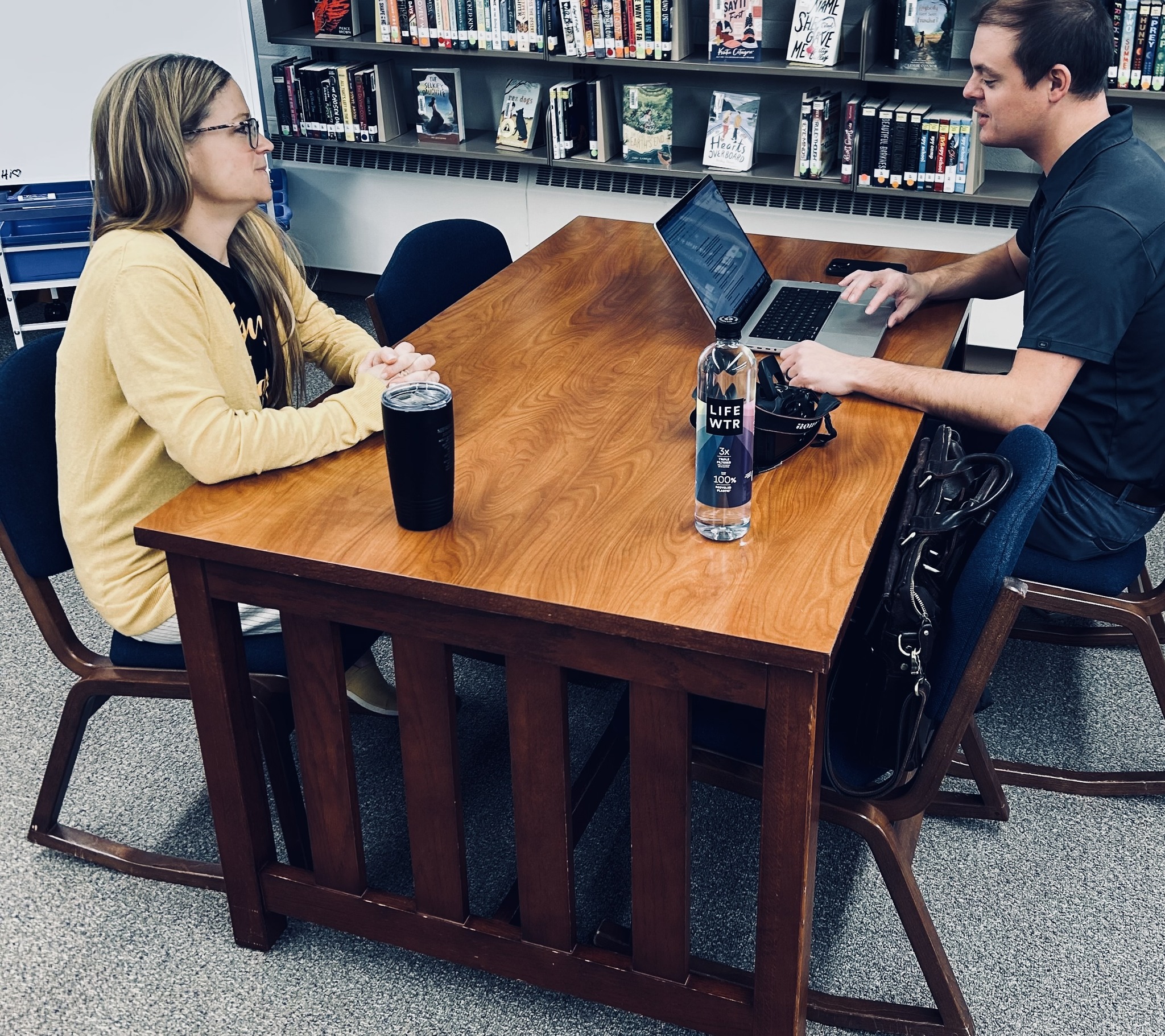
Kelsey Phillips, Mullen High School’s Ag teacher and a 2016 graduate from the district, also thought she’d never return. She was the first Mullen student to earn an American FFA Degree, yet she initially brushed away her mother’s suggestion to teach.
She started post-grad at Northwest Missouri State University before transferring to UNL, where she was a senior with plans to travel abroad when the COVID-19 pandemic turned everybody’s plans upside down. Instead of taking a semester off to explore overseas, she graduated early and returned back to Mullen without a plan.
Then Kuncl, always on the recruiting trail, came calling. She agreed to serve as the FFA advisor for a year, loved it, and enrolled in the transition to teaching program through UNL immediately.
Phillips is now in her third year teaching Ag. Those first years were a trial by fire.
"I started from scratch, so I didn't have any curriculum or anything to go off of," she says. “It was challenging, having never been in a classroom setting and having to come in and figure out how to balance your time. Every 15 minutes counts.”
For an agriculture teacher, where Mullen is situated is a blessing. She has the greatest source material imaginable, just outside the school’s doors. Phillips also found an advantage in her ranching roots.
"Being my parents owning a ranch, it's super nice to be able to call them up and say, 'Hey, can I borrow this for this class?’" said Phillips, who also values the support she’s received from the administrative team at Mullen from Day One. “Mr. Kuncl is great. Anytime I have a question, he’s always there to support. Our administration has our back.”
Three years in, she has no intention of leaving Mullen. It’s become home all over again.
"It truly is an awesome place to live," she says. “The kids are just awesome. They want to be here. They want to learn. They are engaged. A lot of them come from that agriculture background, so they want to learn more and they show up and want to be involved.”
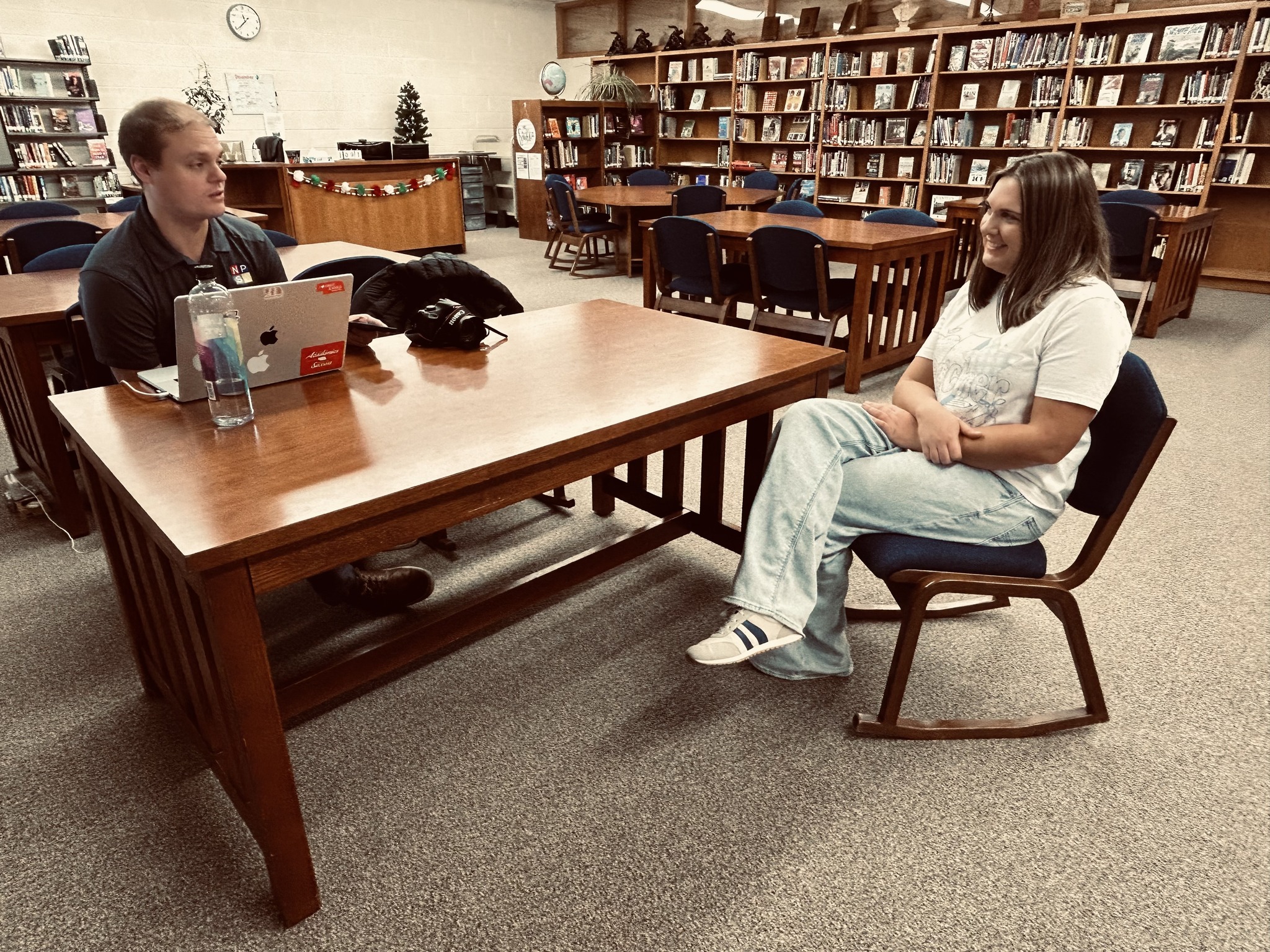
From Para-Educator to Teacher: The Unsung Heroes of a School
For some, the path didn't start with a career in business or physics, but with a desk at the back of the classroom. Cece Coons, a 2009 Mullen graduate, spent nine years as a para-educator before becoming a high school special education teacher.
"I knew [being a para] would be like my ticket into the school system," Coons, who is just wrapping up her first semester after going through the transition program at her alma mater, Chadron State, said. “That was always my goal, to work in a school.”
Her first year as a teacher has been a steep learning curve, doused in paperwork, but it’s been one rewarding endeavor.
"There’s no college class that prepares you to write an IEP," she notes—but her history with the students makes it worth it.
She now teaches a student she has worked with since he was in kindergarten, and she’s right where she kind of knew she always needed to be. Watching that particular student grow over the better part of a decade has been one of the most rewarding experiences of her life.
“When I student taught in the general education classroom, I always found myself partial to the kids who needed a little extra help,” said Coons. “I always knew special education is where my heart was.”
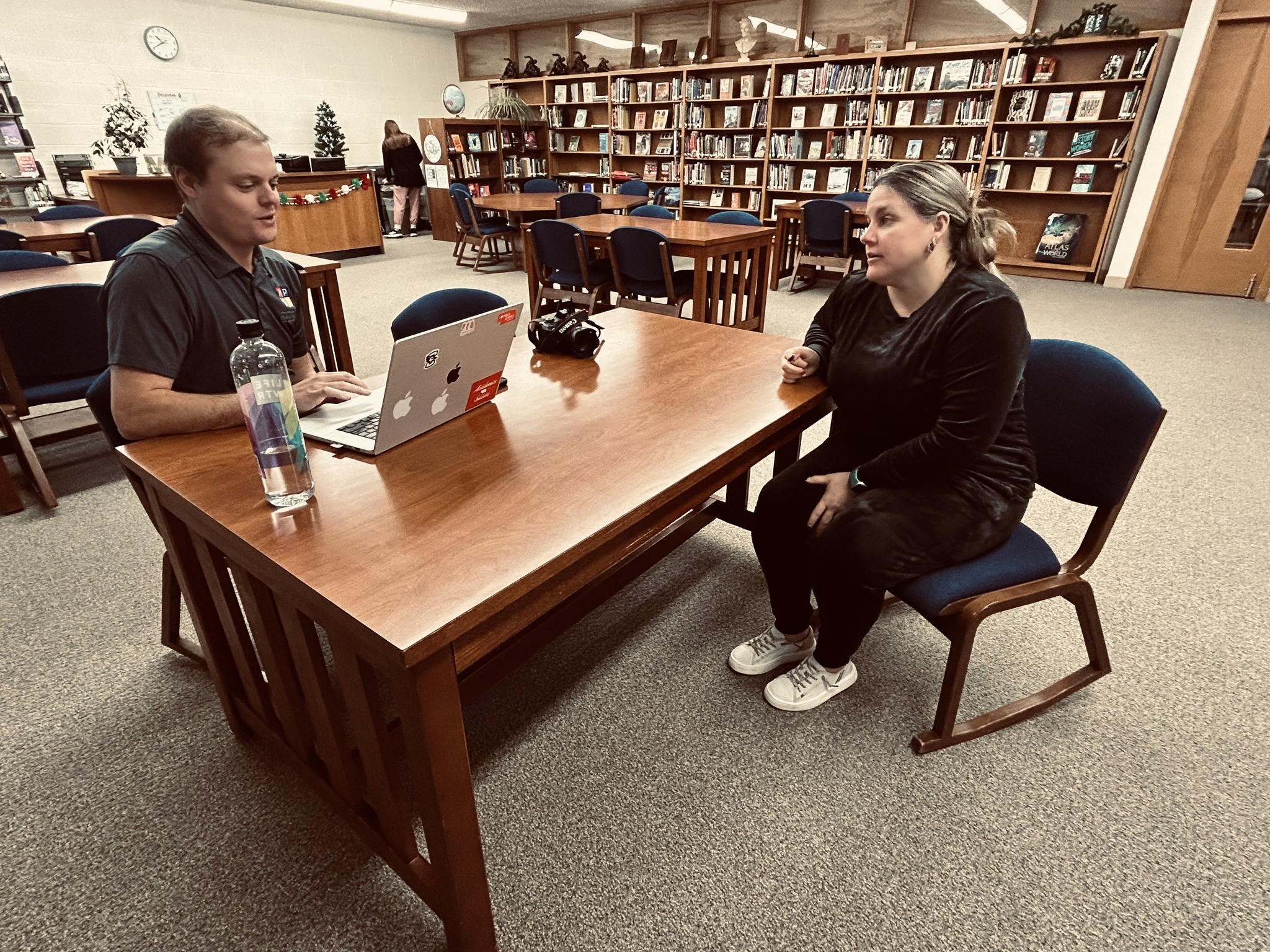
Harlee Fischer, the middle school special education teacher, also started as a para. Her path to the front of the classroom was anything but linear.
A native of Stuart, Nebraska, she initially earned a degree in nutrition and health sciences from UNL. Unsure of her next step, she followed a mentor’s advice and pursued a master's in family and consumer science. But it was her time spent "in the trenches" as a paraeducator—first in Valentine and then for two years in Mullen—that revealed her true calling.
"I loved special education, but I was afraid of it," Fischer admits. "I thought, 'It’s just too hard. I don’t know if I would be good at it.' I knew I was a good para, but I didn't know if I could be the teacher."
Fischer describes paras as the "unsung heroes" and the "glue" that holds a school together. During her three years as a para, she gained a perspective that most first-year teachers lack. She saw the small details a lead teacher might miss and developed a deep, daily bond with her students.
"You see that impact," she says. "You’re with those kids every single day. Seeing them grow was just so cool because you feel like you’ve made a difference."
That experience became her greatest asset when she took a "leap of faith" into a newly created middle school special education position. Because she had already worked with 95% of her current students as their para, the "first-year jitters" were replaced by a sense of continuity. She already knew how they learned, what they struggled with, and how to celebrate their wins.
The transition wasn't without hurdles. Fischer balanced her master’s coursework while working full-time and raising a new baby, all while making the 40-minute commute from Tryon. She credits her success to the radical support of the Mullen community.
"It takes a village to survive here," Fischer says. "Everybody is rooting for everybody else. I have it so easy because it’s almost picture-perfect." From retired teachers coming back to mentor her to administrators restructuring caseloads to ensure student success, the environment at Mullen is one of collective triumph.
To those currently working as paras and weighing a similar jump, Fischer’s message is simple. Keep going.
"Stay determined," she urges. "I know burnout happens, and you’re doing the grunt work. But the transition, already being in the school system and then becoming the teacher, makes it so worth it."
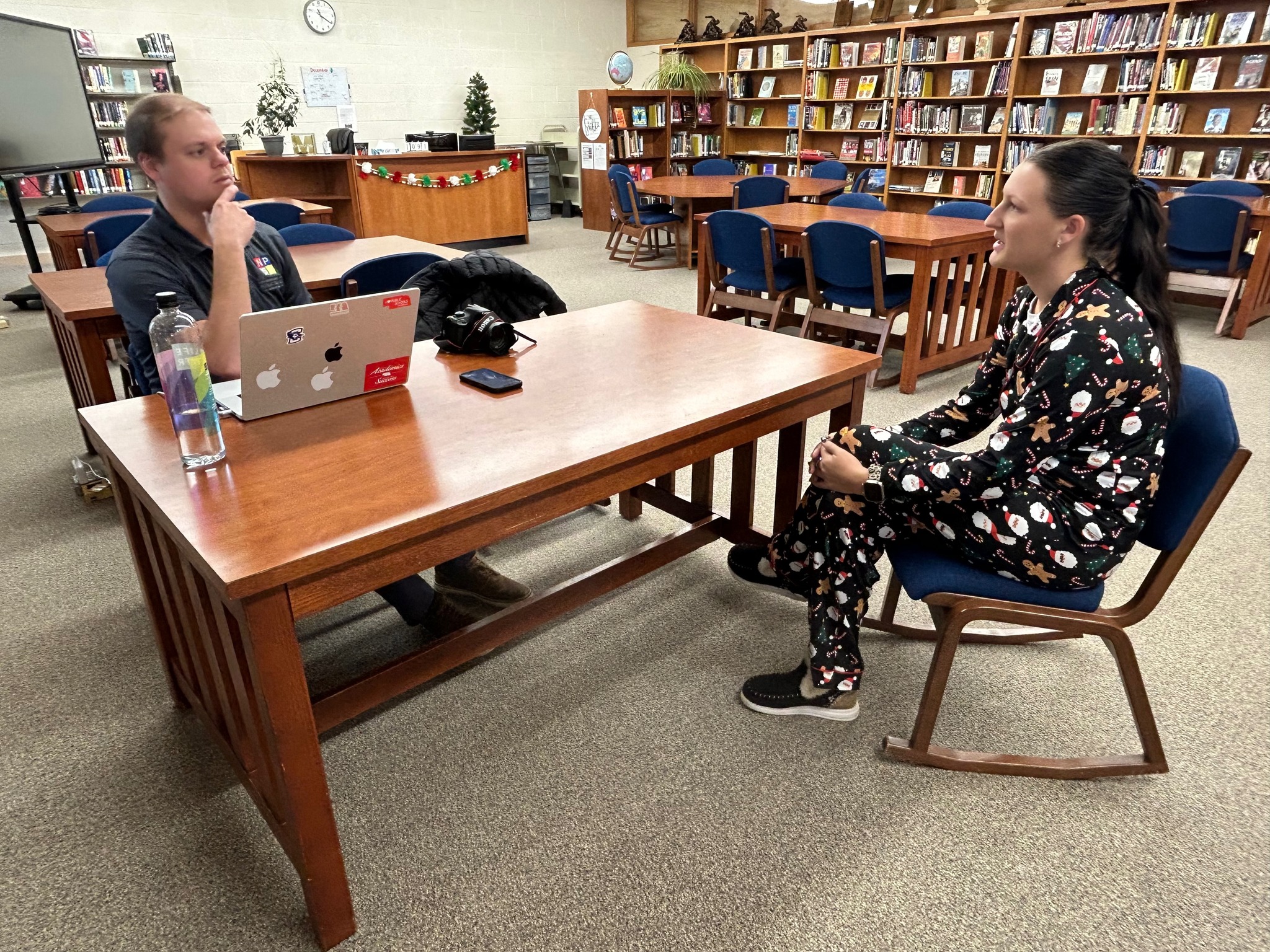
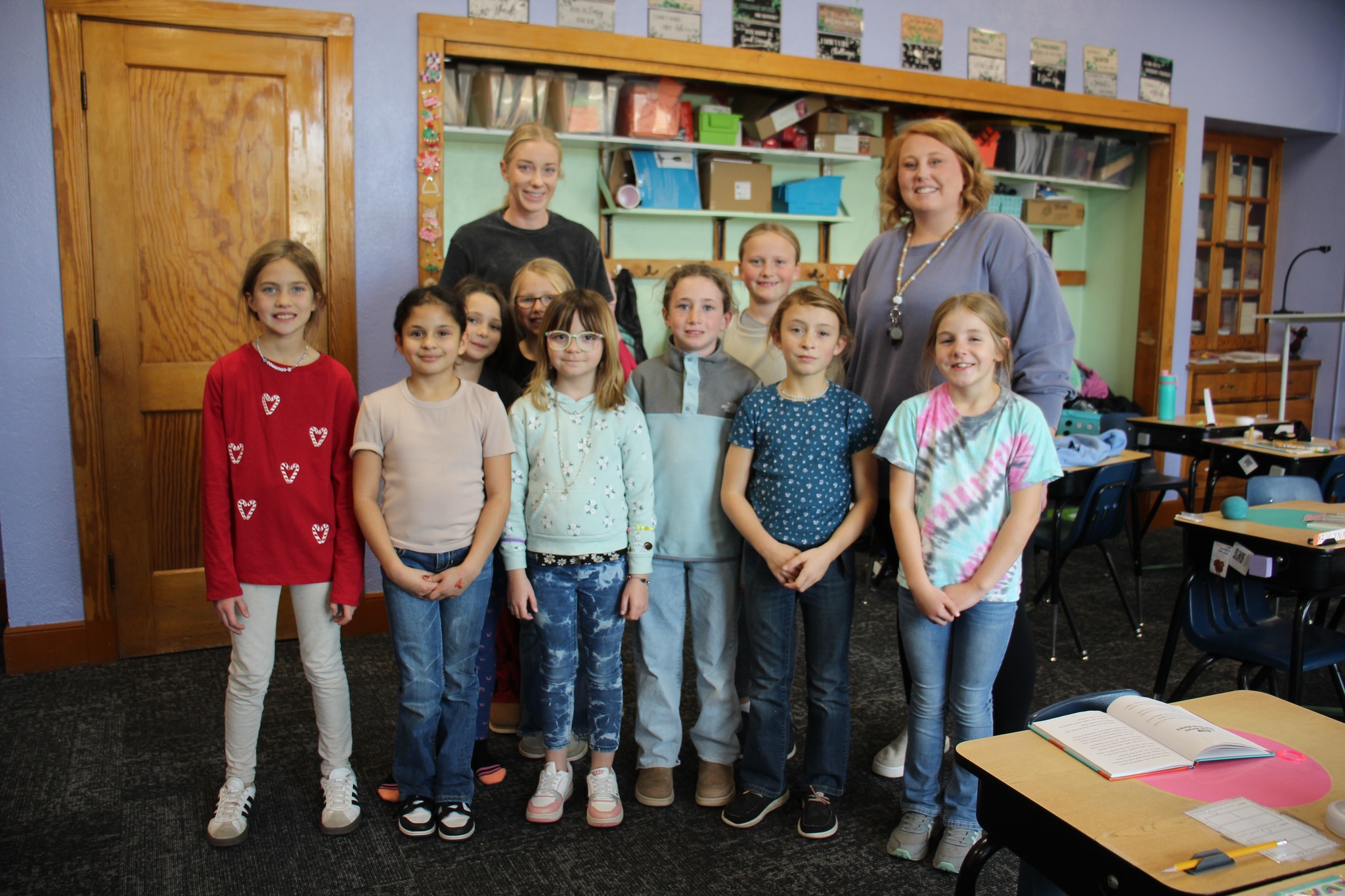
Mullen Elementary, just a couple blocks east of the high school, is home to two teachers whose journeys into education began as para educators, too.
Jessica Myers, now a second-year first-grade teacher, spent a decade as a paraeducator, primarily working one-on-one with students facing behavioral challenges.
"To get them to the place of being successful was super awesome to see," Myers recalls.
Similarly, third-grade teacher Mollie Finney spent six years in Thedford as a para and substitute. For her, the role was defined by one-on-one relationships. She treasured those as a para, and still does as a teacher.
"I really had my buddies when I was a para," Finney said.
That intimacy provided a unique vantage point; they saw the curriculum in action and understood student struggles before they ever had to write their own lesson plans. Despite their experience, the jump to full-time teaching required a nudge. For Myers, it was a conversation with a colleague who insisted, "It's time."
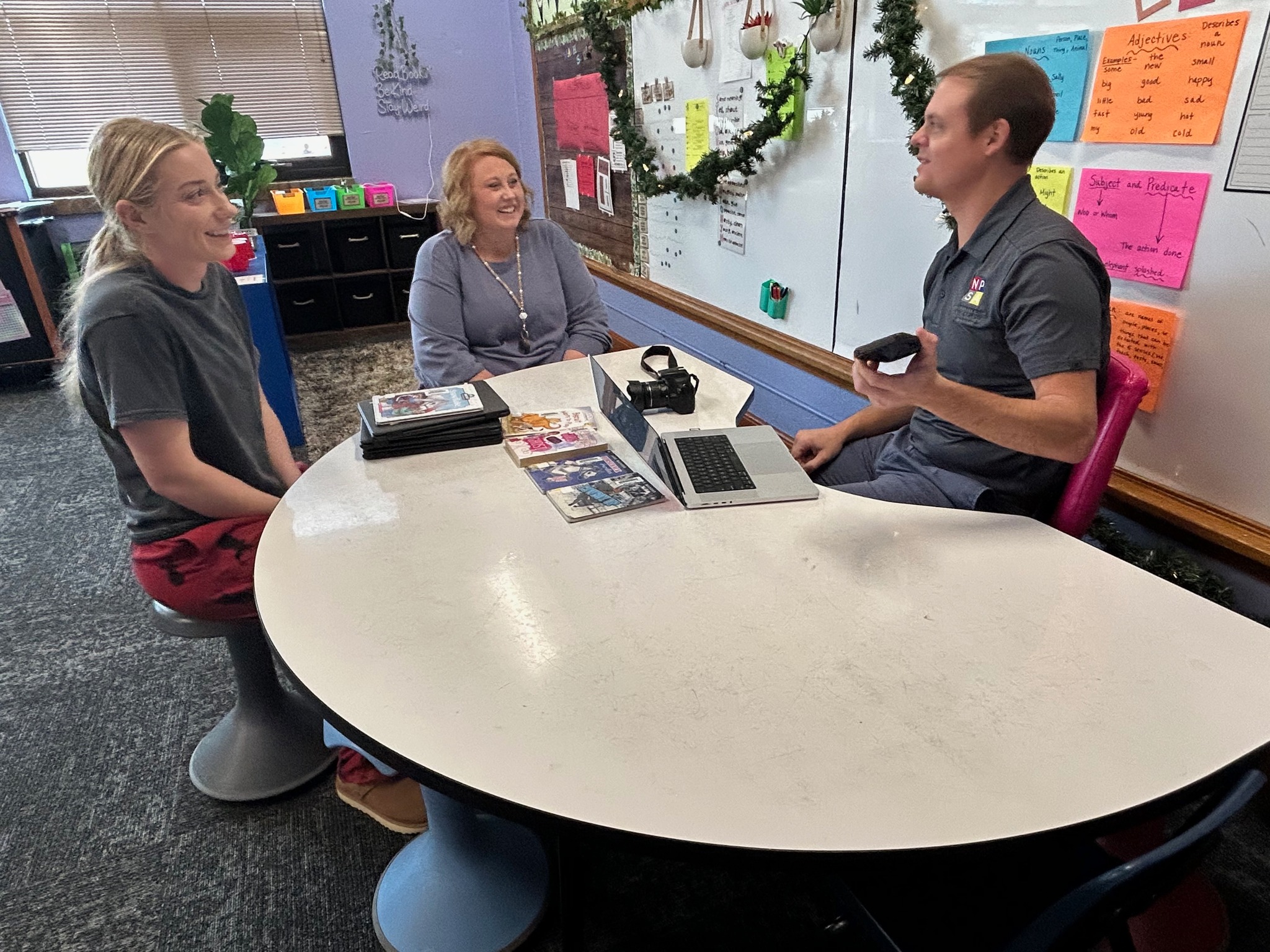
Both earned their accreditation through Chadron State College, navigating a path that often involved working while studying. Teaching is far more demanding than it looks from the sidelines, they each learned through the transition.
"It’s so much harder than that," Myers admitted. "They make it seem so easy, and now I’m like, 'Oh man, they really do have to do a lot of stuff.'"
Finney agrees, noting the immense amount of personal time required to manage a classroom. However, both credit their years as paras for giving them the "thick skin" and logistical foresight needed to survive the first year.
What makes Mullen the right place for such a significant life pivot? For Finney, who first saw the district as a parent, it was the "special" level of opportunity and programming available in a rural setting. For Myers, it was the human element.
"I couldn't go anywhere bigger," she said. "The community of all the staff... we get along, we help each other."
Because Myers transitioned mid-year, effectively student-teaching under herself, she relied heavily on her peers. This network of educators acted as a safety net, helping with everything from lesson planning to classroom management.
Now that they are the ones receiving the help of paraeducators, their perspective has come full circle. They view their paras not just as assistants, but as the heartbeat of the classroom.
"You don’t understand how much you help teachers until you’re on this side," Myers said.
To the paras still sitting on the fence, their message is unanimous.
“Take the leap,” said Finney. “If you're already putting in those hours and that time with those kids, just take the leap in.”
Myers added that while the work is harder, the reward is exponentially larger.
"As a para, that one-on-one was awesome,” she said. “but as a teacher, you get to see everybody learn, you get to see everybody grow. Just go for it."
The Rural Pivot: Adapting to the Sandhills
When Kara Connealy first arrived in the Nebraska Sandhills, she didn't exactly see it as the land of opportunity. A native of Elgin, Nebraska, with a psychology degree from UNL, she had her sights set on the East Coast.
"I wanted to go to school in Boston," she admits.
Instead, marriage brought her to a ranch in Whitman, and the vast, rolling dunes of the Sandhills became her horizon.
"I only cried for three weeks," she jokes, "but this place grows on you."
Today, Connealy is the K-12 Guidance Counselor at Mullen Public Schools, a role she reached through a series of rapid, determined "pivots." That’s her nature, and her story, though constantly ebbing and flowing, is a testament to the fact that career paths rarely follow a straight line, much like the winding backroads of Hooker County.
Connealy’s transition into education was born of necessity and curiosity. Living in a remote ranching community, she asked herself, “What am I going to do in the Sandhills?”
She began substitute teaching and coaching basketball and volleyball, building a foundation within the school system. In 2021, while sitting at the local pool, she heard about an opening. Sensing a moment to reinvent herself, she took a "leap of faith." To bridge the gap between her psychology background and school counseling, she pursued an alternative certification through Chadron State College.
The transition wasn't easy; Nebraska’s requirements meant she had to complete 40 credit hours of her master's program before she could even walk into the profession with a provisional license.
"I knocked out those credits as fast as I could," she says.
By 2023, she had become the district’s lead counselor. What’s kept Connealy in Mullen is the community’s unique "village" culture. She recalls a nostalgic evening when she went looking for her children at the local playing field.
"The sun was setting, and there were 20 kids, from second graders through high school seniors, all playing together. You’d never see that anywhere else, it was like a Hallmark movie," she said. "It’s not about the kids who are already successful; it’s the ones who come in and say, ‘Miss Kara, I got the biggest scholarship.’ That is everything to me."
Now, Connealy teaches middle school career classes, where she uses her own life as a lesson plan. She encourages students to find what they love and "marry it together" with a job, but more importantly, she teaches them to be comfortable with the unknown.
"I tell the kids all the time, I still don't know what I want to be when I grow up," she laughs. "You may not work in the area you study, and that’s okay. Life happens, and you have to be ready to pivot."
From coaching on the court to mentoring through the TeamMates program, Connealy’s journey proves that while you might not end up where you planned, you often end up exactly where you’re needed.
From the Saddle to the Science Lab
Tawnee Jewell is a self-described "fair-weather cowgirl." Growing up on a ranch near Hyannis, Nebraska, she was raised in the saddle, but she was the first to admit that moving cattle when your feet are "frozen completely solid" in the winter loses its charm.
Today, she navigates a different kind of terrain as the Natural Sciences teacher at Mullen High School, a role she reached through a pragmatic and gritty "sink or swim" transition.
Jewell’s journey into the classroom was born from the reality of rural life. After realizing the city campus at UNL was "too big," she transferred to UNK, earning a degree in psychology with a minor in biology. Upon returning to the Sandhills with her husband, she faced a classic rural dilemma.
How do I use a degree in a region dominated by ranching?
"What was the point of spending all that money on an education if you're not going to do anything with it?" Jewell recalls.
With student loans to pay and a desire to stay close to home, she looked into the Transitional to Teaching program at UNK. Because she already held a biology minor, she spent a year finishing her science hours before moving into her "transitional" year.
Unlike traditional education majors, Jewell’s path didn’t include the safety net of student teaching. She spent time as a paraeducator in Hyannis to complete her observation hours, but when she was hired by Mullen in 2012, she was essentially on her own.
"It’s like being kicked out of a yacht without a life raft," she says of the transition. "You literally have to sink or swim. You don’t have somebody in the classroom with you; you just figure it out."
Initially, Jewell planned to stay in Mullen only until a position opened closer to home. However, the culture of the school quickly changed her mind. Nearly 14 years later, she remains a fixture in the science department, driven by the unique opportunity to watch students grow from "little babies" in sixth grade into graduating seniors.
For Jewell, the most rewarding moments aren't just about academic "Ahas!" but about reaching the students who don't necessarily want to be in school. Using the hands-on nature of science to engage them, she finds her purpose in the broader scope of the job.
"We’re not just teachers," Jewell said, countering another misconception. "In a small town like this, we’re helping to raise children."

So there you have it. By the time we toured the new greenhouse and rolled out of Mullen, my head was spinning.
How can one small school district in the middle of nowhere have so many captivating stories? And how the heck was I going to turn 52 pages of transcripts into a magazine-length feature story?
Well, if I learned anything from my trip out to Mullen, it’s that where there is a will, there is a path.
And where there is a path, there is a way.