In Front, Beside, and Behind: Inside the specialized classrooms of ESU 7
In Front, Beside, and Behind: Inside the specialized classrooms of ESU 7
By Tyler Dahlgren
Passion meets purpose on 44th Avenue in Columbus.
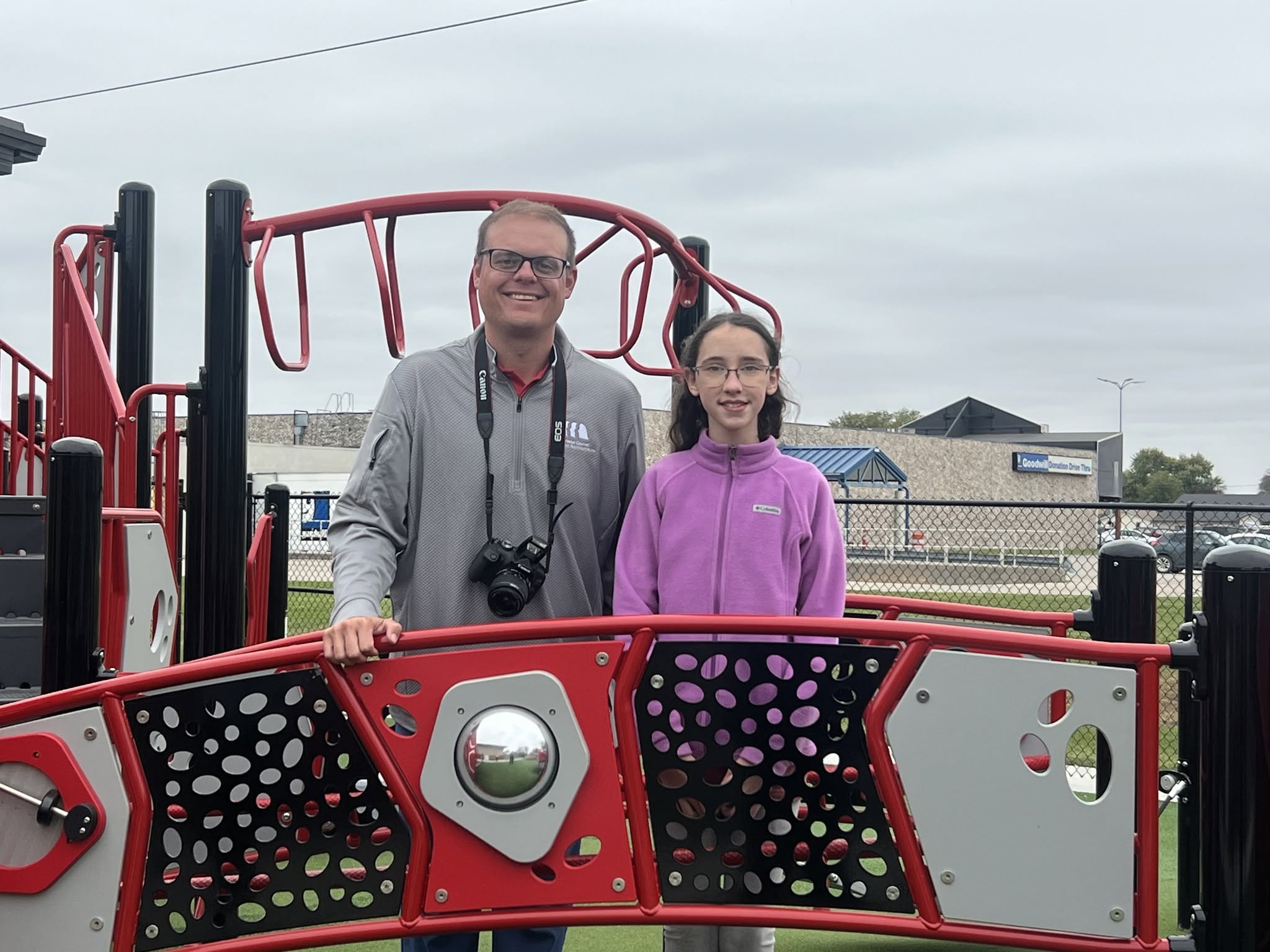
This stretch of road, which connects 27th Street to the north and 23rd to the south, is often quiet. On this gorgeous Tuesday in October, it’s anything but. There’s laughter ringing out from the inclusive playground and life filling the hallways of three schools that have redefined non-traditional education in east-central Nebraska and beyond.
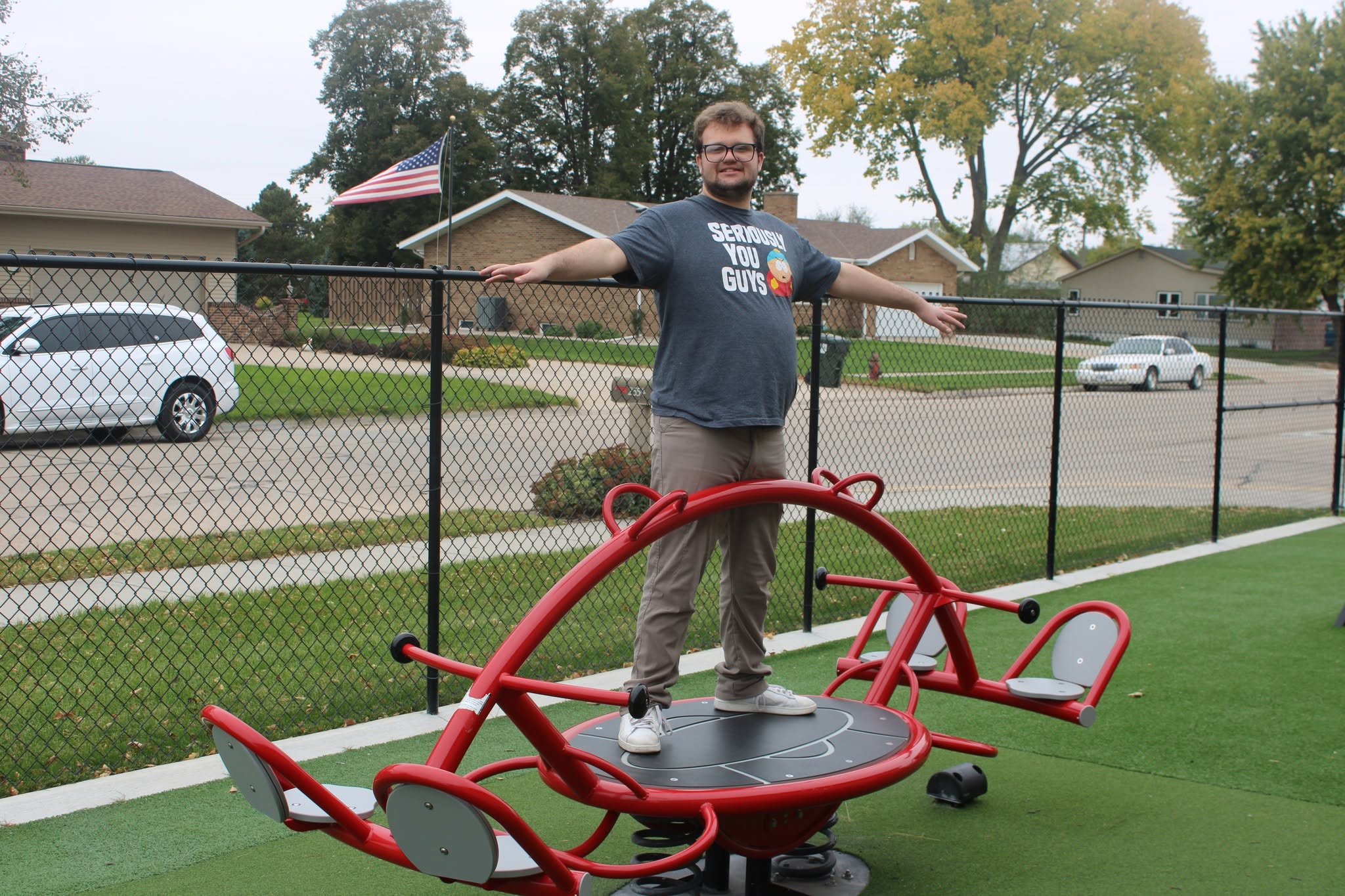
Educational Service Unit 7 headquarters sit to the north, across the parking lot where big-hearted professionals park each morning and wait excitedly for their students to show up.
The kids come from all over. Exit the parking lot and leave Columbus in any direction and you’re bound to run into one of the 19 districts ESU 7 exists to serve. The folks at ESU 7 are often out-and-about. They know this area, the two-lane highways, cornfields and grain elevators, like they know the backs of their hands.
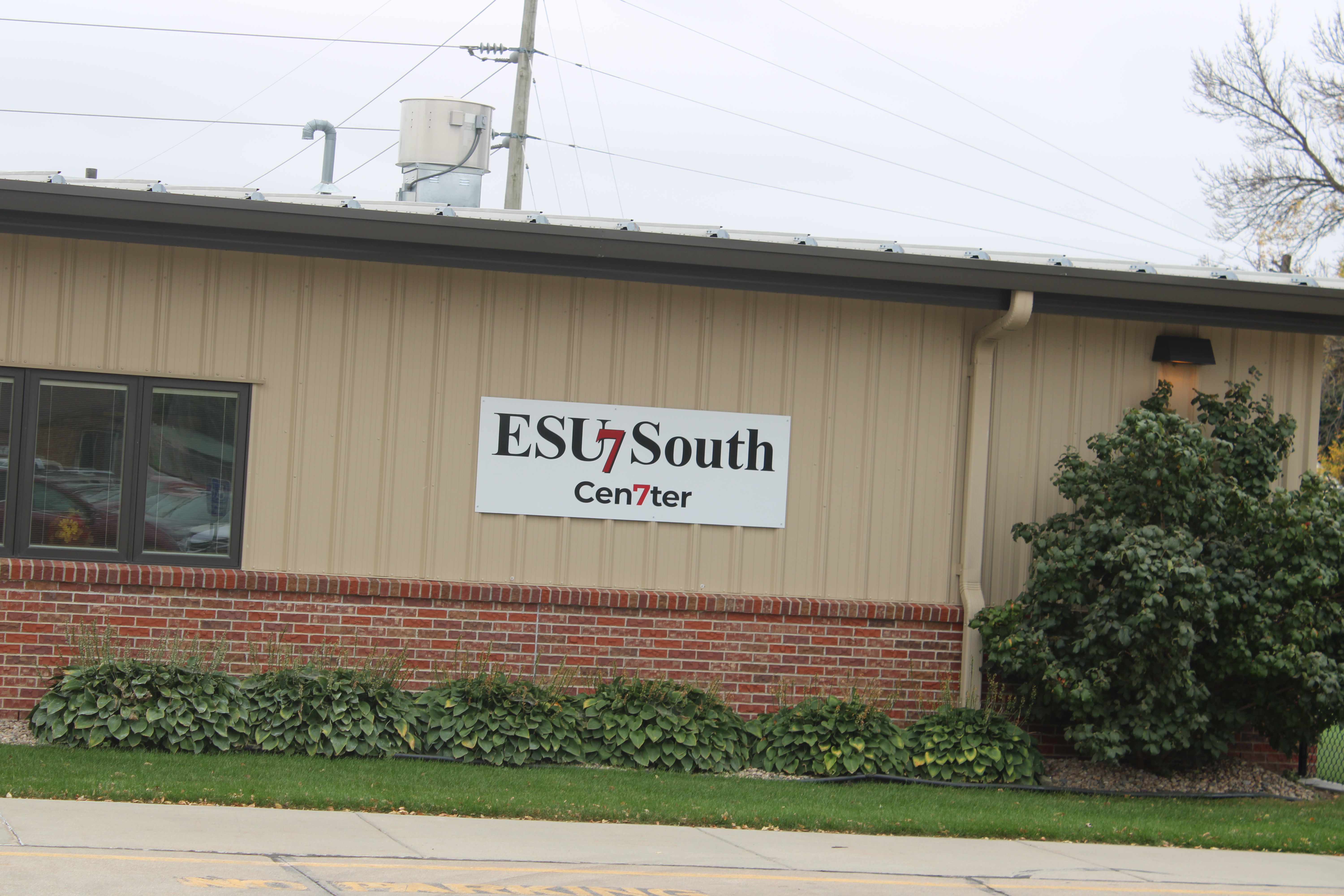
Their campus in Columbus, the one that houses The Bridges School, the Learning Academy, and 7 Center, is the heart of what they do and why they do it.
It’s where students triumph, where milestones are met and where memories are made. And it’s where this story starts.
On a sunny Autumn day, the team from ESU 7 gathered in a conference room and shared theirs.
ESU 7 serves an array of schools in districts both big and small, and all those different places have one thing in common.
“They’re the anchors of their communities,” said Tami Clay, ESU 7’s Special Education Director. “Whether it’s High Plains, Leigh, Boone Central or Columbus, they do what it takes to meet the needs of their students. That’s the way it is in Nebraska.”
ESUs play an integral role in that quest, and they have for a long time. Because when a classroom teacher encounters an eight-year-old on the severe end of the autism spectrum who cannot communicate except through escalating physical distress, or an 18-year-old who needs to learn how to cross a street, iron a shirt and wash the dishes before moving on into the world, the unavoidable isolation of rural education can often present a quandary.
Frankly stated, a single small district cannot afford to hire an on-staff Board Certified Behavior Analyst (BCBA), a licensed mental health practitioner (LMHP), and a dedicated team of one-on-one paraprofessionals for one or two students. Through constant communication with its schools, ESU 7 identified that need, and that’s how its three Level III programs came to be.
In special education terminology, “Level III” marks the highest tier of intervention, an out-of-district placement reserved for students whose behavioral, emotional or developmental complexities cannot be met within a standard general education setting. That doesn’t sound all-that-rosy, but visit this campus, take a stroll through these three schools, talk to the students and staff, and try not to smile.
The energy that fills these buildings each day is uplifting and infectious.
“The thing I’m really, really proud of, and that I really want you to take away from today, is that these are not throwaway programs,” said Clay. “These are transitional programs. Our kids go back to their home districts, and they’re successful in their home districts because of the leadership and the systems we’ve put in place.”
That philosophy guides every move they make. Further than a mantra, it’s an identity, reflected in their logo.
“Our logo is those three squares,” said Cara Neesen, ESU 7’s Student Services Principal overseeing the Learning Academy and 7 Center. “It represents us standing in front of our schools, beside our schools and behind our schools. Our Level III student services embody that full compass. We stand in front of our schools by sending our staff and expertise out to make sure kids don’t have to come here, because the ultimate goal is for students to stay in their home districts. If they do end up coming with us, we’re standing right next to them doing it together. A shared student is something we often say. And then we stand behind our districts when they start that transition back.”
The three schools were born from genuine need and uniquely developed through a statewide service planning mechanism known as the SMART process.
“Many of our programs and services are born from that,” said ESU 7 Chief Administrator Marci Ostmeyer. “Our school superintendents and principals will say, ‘Hey, this is a need we have. Does ESU 7 have a service or a program that can help support that?’”
Odds are, they do. And if they don’t, they’ll find one. Or, in this instance, build one.
About 15 years ago, ESU 7 member schools first approached the service unit with acute behavioral crises, leading to the creation of 7 Center. A decade later, they identified an increase in early-elementary students with profound autism spectrum disorders who required more specialized care than they could provide on their own. In response, ESU 7 founded Bridges.
“When the need, especially for the Learning Academy, first came up, our response was, ‘Okay, we need a BCBA, and we’re going to go out to schools and we’re going to help,’” Ostmeyer recalled.
Their districts appreciated that effort and its impact, but they needed more.
“A small school might have one student, maybe two, who require these levels of services, and they can’t just throw a para at a student,” said Clay. “These are the most complex learners we have, the most challenging young students that we have. They need the people with the most expertise. A district may not be able to hire the expert for one student, but they can send them here and we can pool our resources and have the experts on hand to serve many students.”
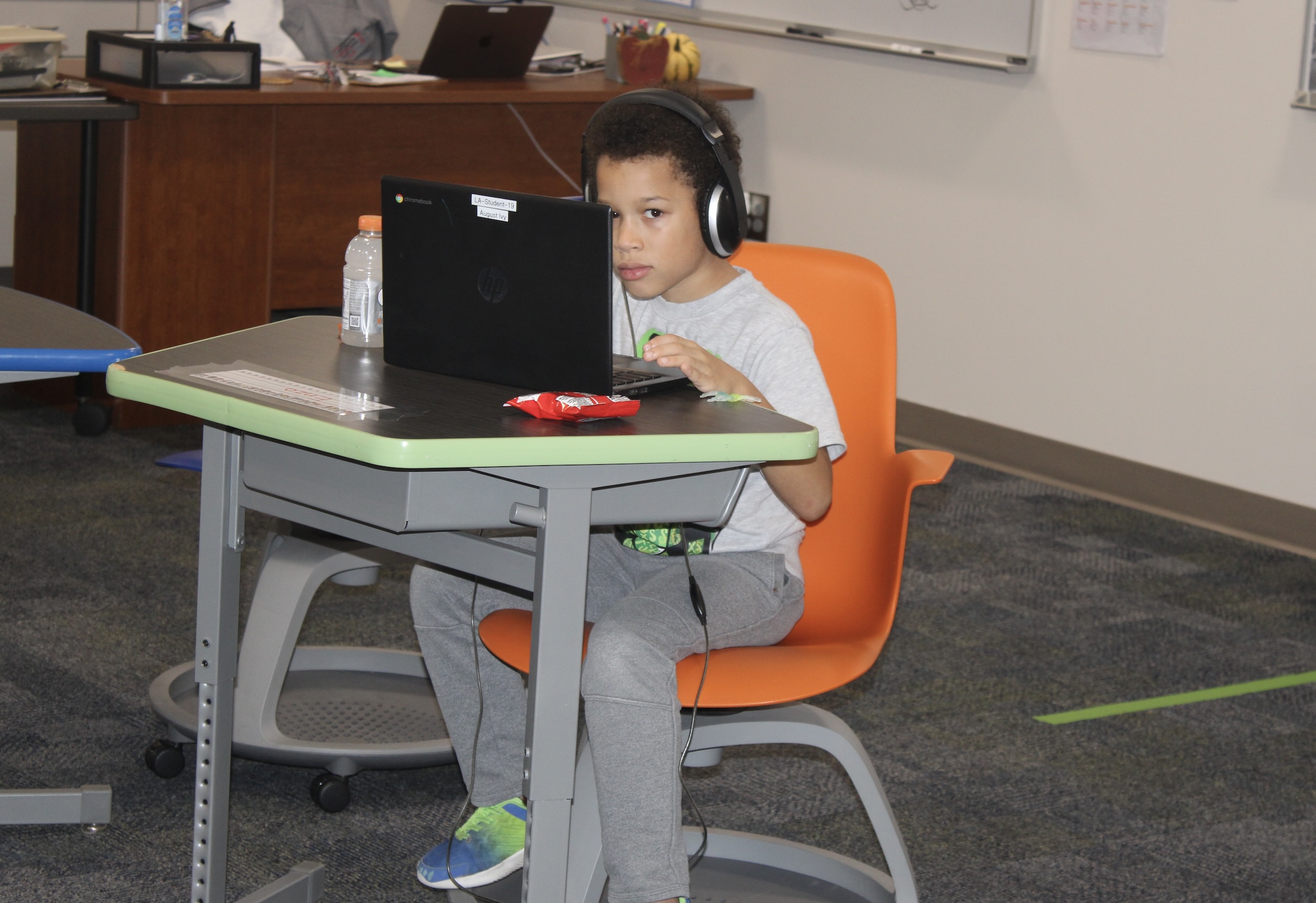
So that’s what they do. Buses arrive in the morning and depart in the afternoon. At any given time, there are LMHPs, school psychologists doubling as BCBAs, speech-language pathologists and master’s-level special education teachers on campus.
They work in synchrony, and they’re responsible for the magic that happens here, of which there is plenty.
“We could not do this without the right people in the right place,” said Clay. “You have to have people with the heart for kids and the passion for the type of teaching they’re doing. Once we got the right people in the right places, everything kind of fell into place, and it’s just really taken off and done beautiful things.”
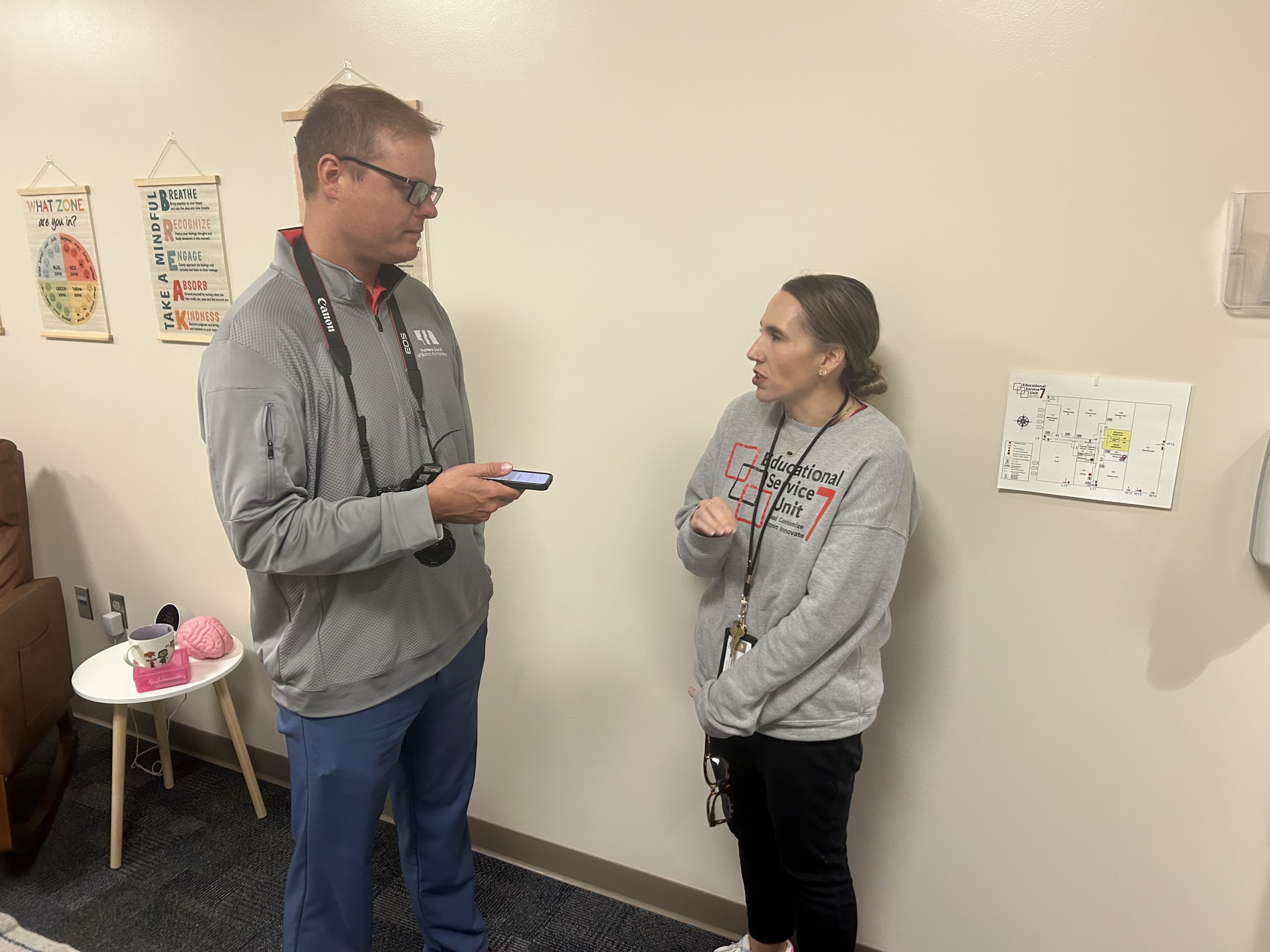
Sonya Sukup is one of those LMHPs, having entered the world of school-based intervention in 2019. Her current role is so fulfilling because of the impact she’s able to make in a school setting, as opposed to outpatient work, which can come with logistical challenges.
“In the school setting, we have a very captive audience,” Sukup said. “The amazing shift that I’ve been able to experience and appreciate about school-based work is being a part of a team. We work together, and we’re able to help these kids show progress quicker. I’m very proud of the work we’ve done so far and excited to see what the future holds.”
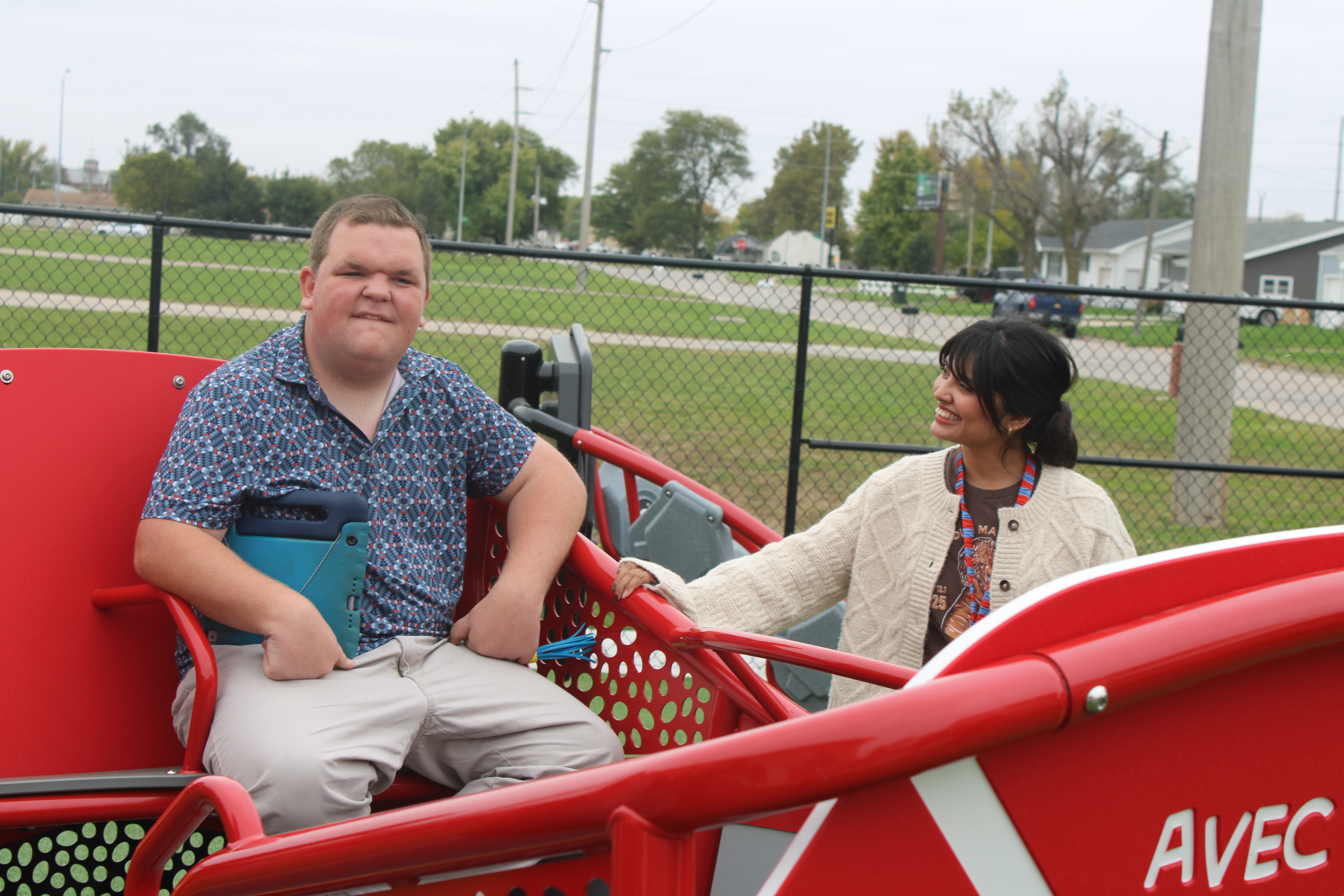
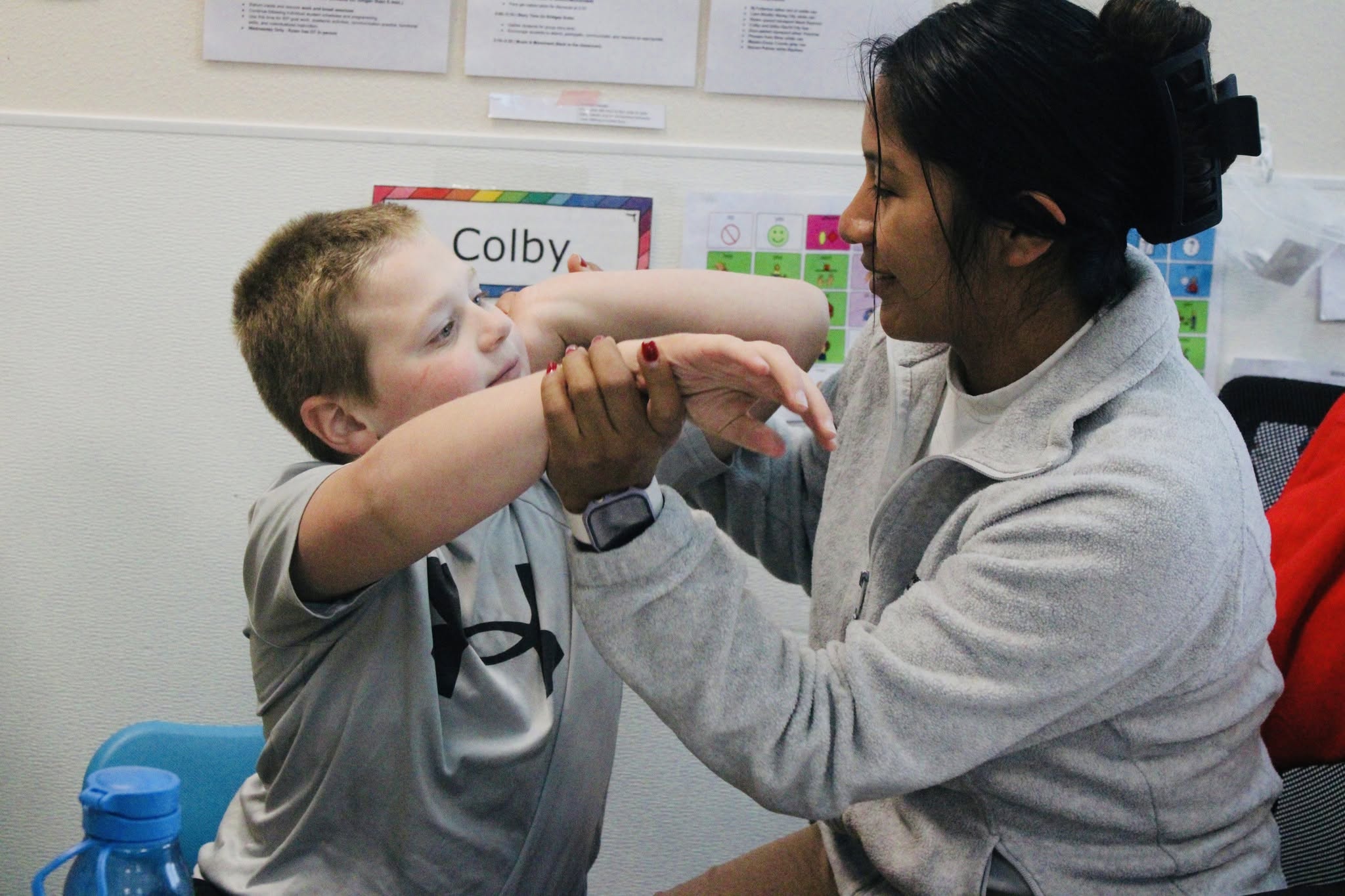
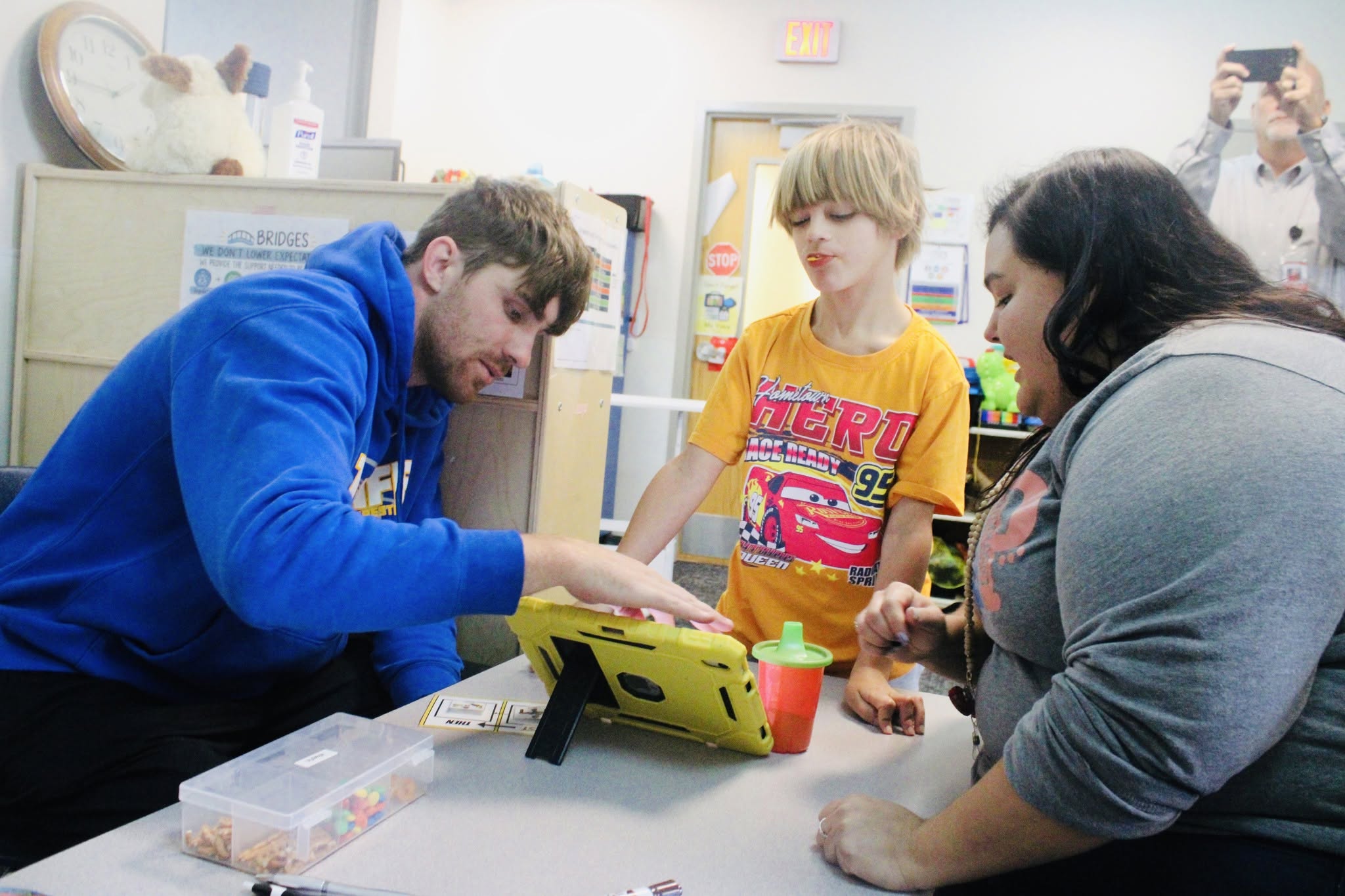
Our tour begins in The Bridges School, a sensory-calibrated space crafted for kindergarten through eighth grade students. The program serves nine children, with five more on a waiting list.
The student to staff ratio is intentionally dense. Spend 10 minutes in their classroom, and you’ll soon see that everything in here is intentional. It has to be. Every student is paired one-on-one with a paraprofessional.
“We have a speech language pathologist who comes in two days a week and a BCBA who comes in once a week,” said Jenna Mattox, who serves in a dual role as both the building principal and the classroom teacher.
When searching for paras, Mattox utilizes every resource she can. Advertising openings is one thing. Advertising an opening at Bridges is its own unique odyssey. She has to find the right fit, which has always been a hurdle. This year, she’s fully staffed and the school is humming.
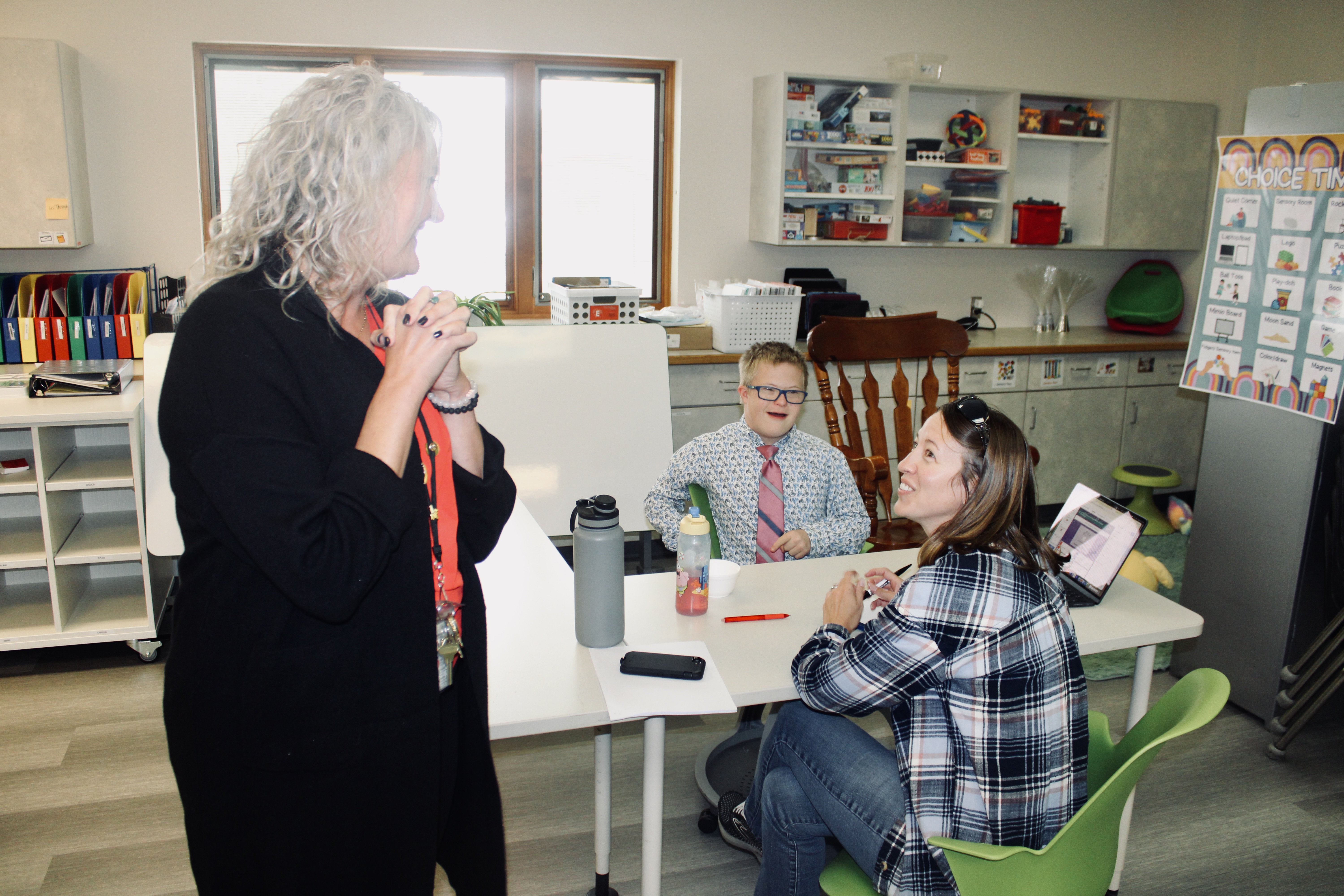
“We pay prospective paras to come job shadow for a few days, just to give them a chance to experience what they’re stepping into,” Mattox said. “Because it is a tough job, and I think shadowing has paid real dividends.”
Bridges and 7 Center look different than what you would picture when you think of school, said Ostmeyer. There are no rows of desks, no echoey corridors. The room with all the action is one-of-a-kind, designed to diminish sensory overload, build functional speech and to replace disruptive behaviors with effective coping mechanisms.
“Our challenge every day is different with behaviors,” said Mattox. “With our paras, I try to validate them all the time. It’s not easy. It takes special people to do the job, and we have special people.”
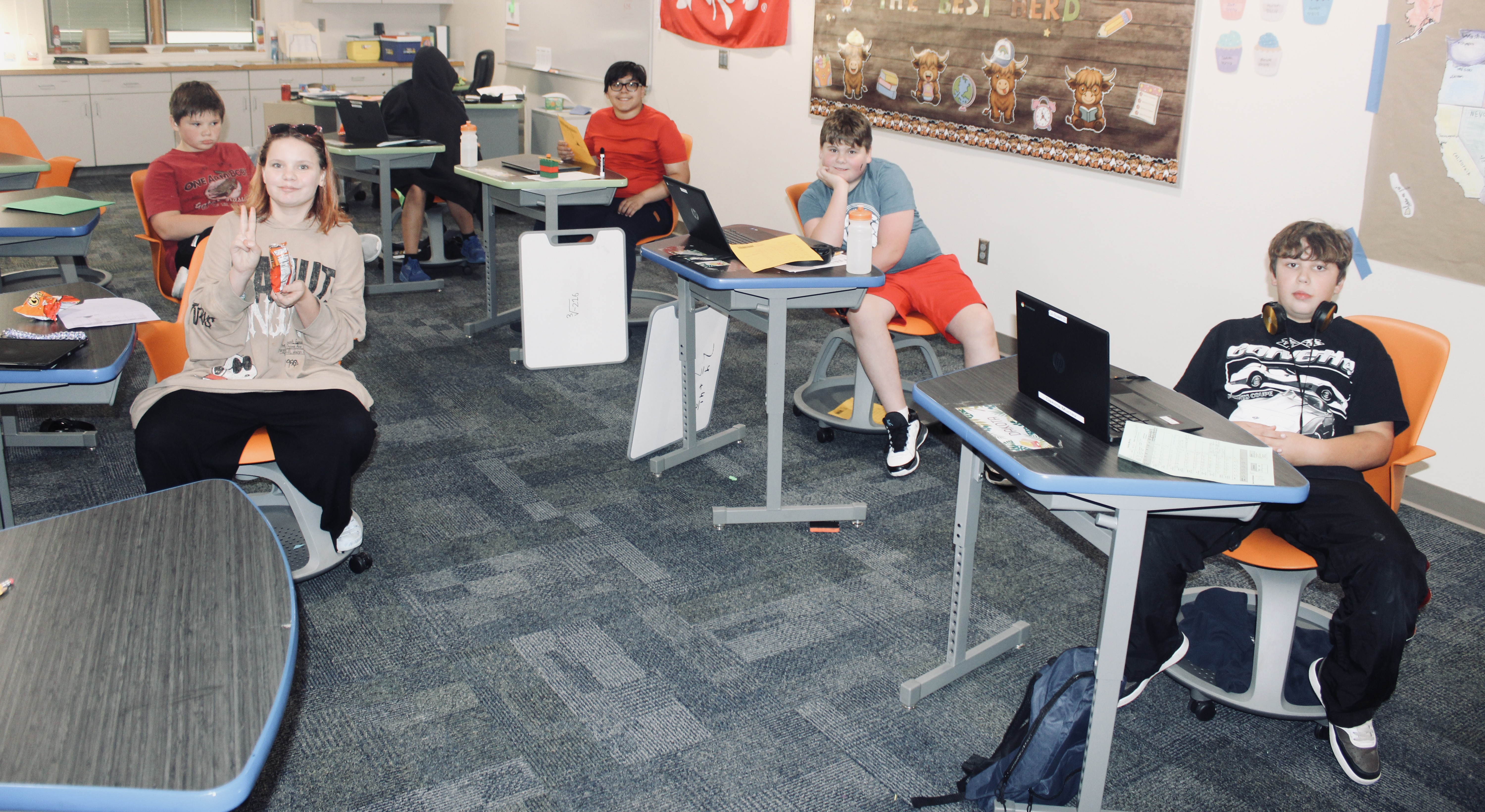
Now in its seventh year, Learning Academy looks more like a conventional school. There’s constant traffic, busy hallways, closed classroom doors and conversations around the water fountains.
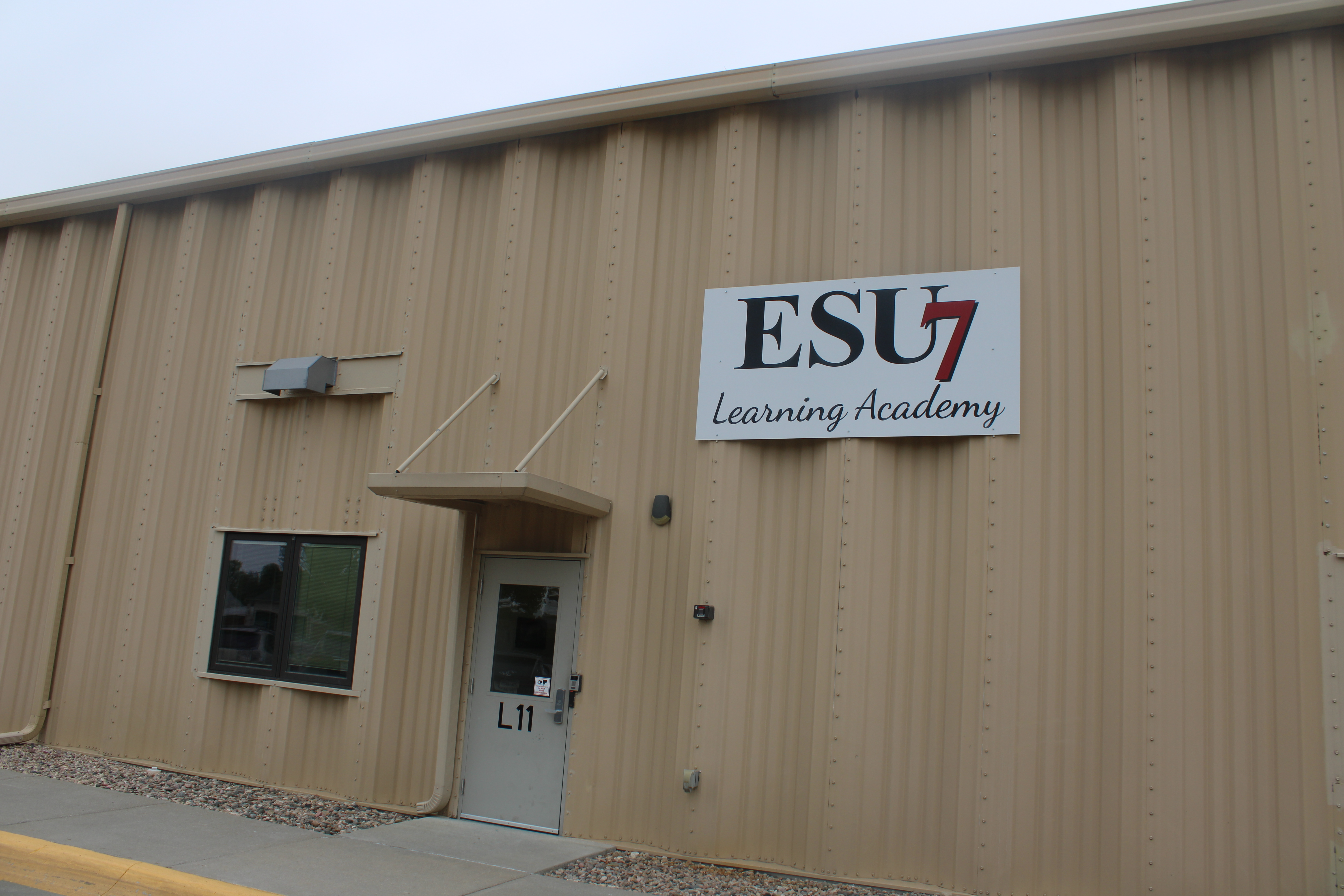
Serving 23 students from kindergarten through “super seniors”, the Academy addresses two specific behavior profiles, social and emotional.
“In one classroom, you can walk in and see those extrinsic behaviors, the hitting, kicking, punching, shoving desks,” said Neesen. “And then you have another where, especially with older students right now, it’s more internalizing behavior. We’re dealing with self-harm, suicidal ideation, and it can be heavy.”
Two LMHPs are on campus full-time, providing mental health services alongside classroom instruction and working in tandem with a school psychologist and the BCBA to provide individualized interventions. Every teacher in the Learning Academy holds a master’s degree in special education or applied behavior analysis.
“We're incredibly staffed everywhere, luckily,” said Neesen, “but Learning Academy truly is staffed with people who have very high expertise in their field.”
That staff delivers expertise, and they’re there every step of the way.
“I get to see some of these kiddos just through all the struggles and making those gains, whether it's a connection with a staff member, a connection with a student, connection with their home district even, just helping them see the value of making those connections and then just that growth is remarkable,” said Learning Academy teacher Brooke Hemmer. “Some of them never thought they would graduate. Being able to host a graduation party and then them realizing the value of an education is definitely a huge perk of what I get to do.”
It’s demanding work, but there’s fun to be had too. Hemmer, for example, had just wrapped up an impromptu musical performance right as we entered her classroom. Her students then moved into an impromptu Shark Tank simulation.
“We try to have some fun in here,” she said. “We want them excited to come to school. It can be tedious sometimes and school is hard, the content is hard, but there is so much to gain out of making connections with your peers.”
The friendships made in here, those cannot be undervalued, said Clay.
“They come here and they finally have a real friend, and I love that,” she continued. “We want them to be in their home districts and we want them to have friendships, but sometimes those true friendships are with the people that are most like themselves. So that's a piece that I love to see.”
They’re flexible too, constantly open to change if it benefits the students.
“Not continuing to do what we’ve always done, that’s an important piece for all of our programs,” said Clay. “We can’t just keep doing the same thing every year, because the kids are different and we don’t want to be the same program. We continuously want to evolve and get better. Fine is never going to be good enough for the people we have here.”
The 7 Center is a runway to adulthood. The oldest of the trio, the school has operated for 13 years. Center is a staple around the Columbus community, its buses often identified and its students often celebrated.
“7 Center is transitional, but what’s different is that they come to us less in the beginning and full-time by the end,” said Neesen. “Their transition is backwards from Bridges and Learning Academy. Their transition is to adulthood, to independence.”
The school serves 18 students (soon to be 19) from ages 14 to 21 and seven different districts. The students have diagnosed disabilities and are preparing for adult life, whether in supported community living or developmental disability services. Functional daily living and vocational navigation are the primary focuses.
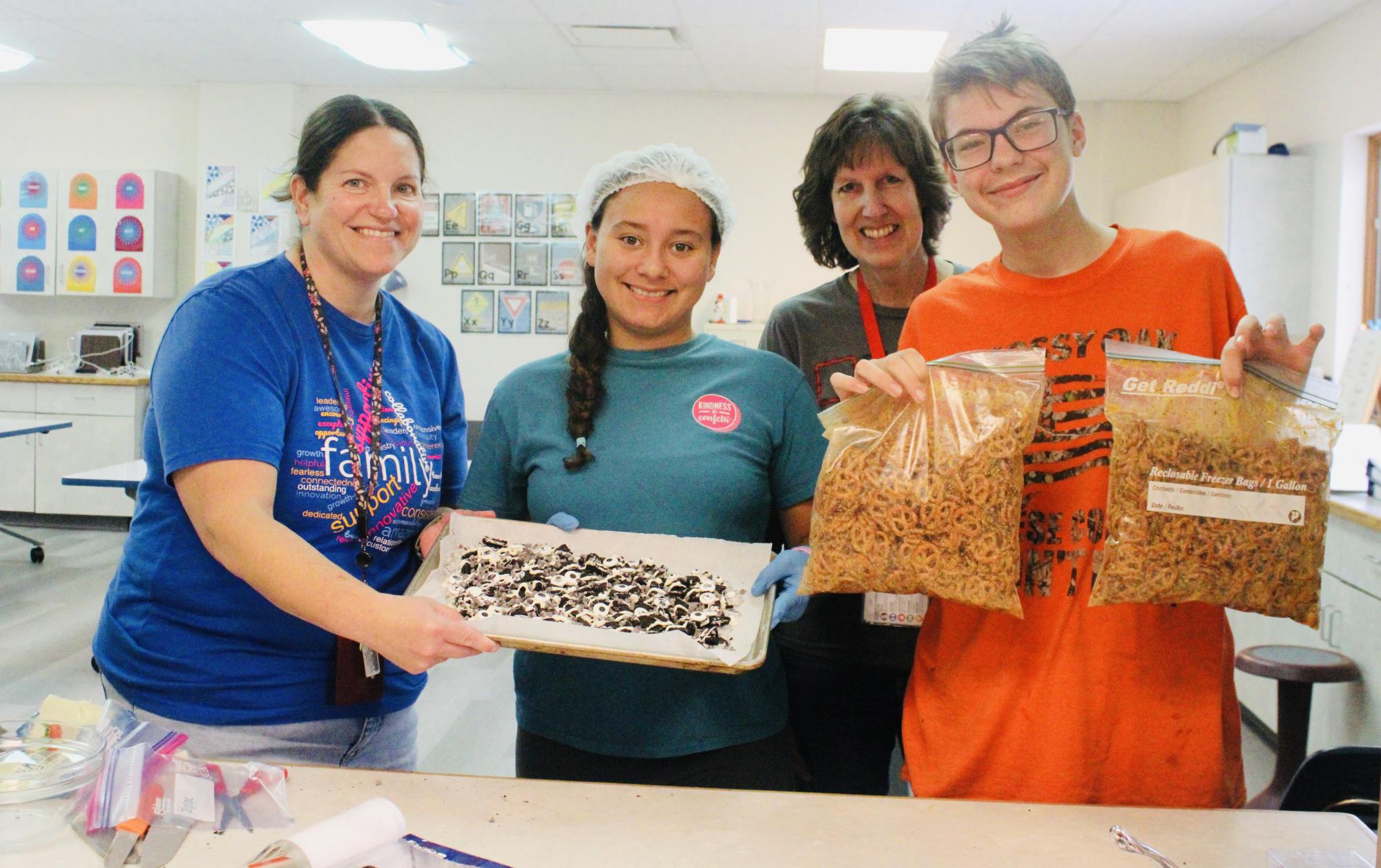
“We really work on community skills, vocational skills, recreational skills, things like that,” Neesen said. “When you walk into 7 Center, you’re going to see them cooking, you’re going to see them playing a board game that incorporates budgeting, you’ll see functional academics,” Neesen said.
Reading recipes and whipping up meals safely on a stovetop, balancing personal budgets, understanding street signs and even interacting comfortably with public safety personnel. They run the gamut, and they do it with unparalleled passion.
“For some reason, our intellectually disabled youth, we found, were scared of the police,” Neesen said. “So our School Resource Officer, Officer Moore, came in and started eating lunch with the kids. Now, you can’t keep them from bombarding him when he walks in.”
Centers is the most publicly recognized of the trio. Over the years the program has been embraced by the community, building an active directory of approximately 80 local business partners who have been willing to bring on student interns. Their fleet of vans are recognizable in the community, which Clay said has been overly supportive from the start. The future of these students is as much their investment as it is ESU 7’s or the school districts in the area’s, after all.
“We take their IEP goals and what they want to learn and then try to set them up for success,” said Neesed. “We have multiple job sites for them to check out to see if it’s a good fit for them or not. And if it’s not a good fit, that’s still useful. If we take them to Arby’s or the grocery store and they don’t think it’s the right fit, then at least we know. At least we tried.”
Communication is key. These are shared students, and collaboration between the ESU, the districts, and the students’ families is the only way to achieve those triumphs they love to celebrate.
"It takes a really brave parent to send their kid away," Neesen continued. "It’s really emotional, it’s really hard, and you really have to trust that school district and that person that’s taking on your child. Especially with Seven Center—those are intellectually disabled youth, some of our most vulnerable. We have a kiddo from Aurora who comes here, and that’s an hour and fifteen minutes one way. That’s a drive. That’s scary. Our parents don’t get enough credit. You sit back and think: I can't believe they trust us that much, that they will send their kiddo that far for us."
Mattox is on the phone with parents nearly every single day. In fact, it’s become part of her morning routine. She not only welcomes that contact, but her program thrives on it.
“I have constant communication with my families,” Mattox said. “I just messaged a mom, ‘Hey, mom, we need pull-ups.’ She texted back, ‘I’ll send Walmart delivery.’ We send monthly updates and we try to send videos showing, ‘Look what your student is doing now.’ We show them the positives as often as we can.”
The pay-off is in the progress. There are no small steps forward, only leaps and bounds, and they take those with enthusiasm. Every single time.
This summer, Mattox had a set of parents reach out.
"They got to take their student to his sister’s very first high school softball game,” she said. “They had never been able to take him out in the community like that before. His sister finally had a parent sitting in the stands at her game, because before, they could never leave the house with him."
Another leap. Another bound. Another triumph.
"People just take those things for granted," Ostmeyer said. "Our families can’t take it for granted. That is their life. When you hear something like that, there’s nothing more rewarding.”
You can’t leave campus without a bag of spicy pretzels, and we made sure not to.
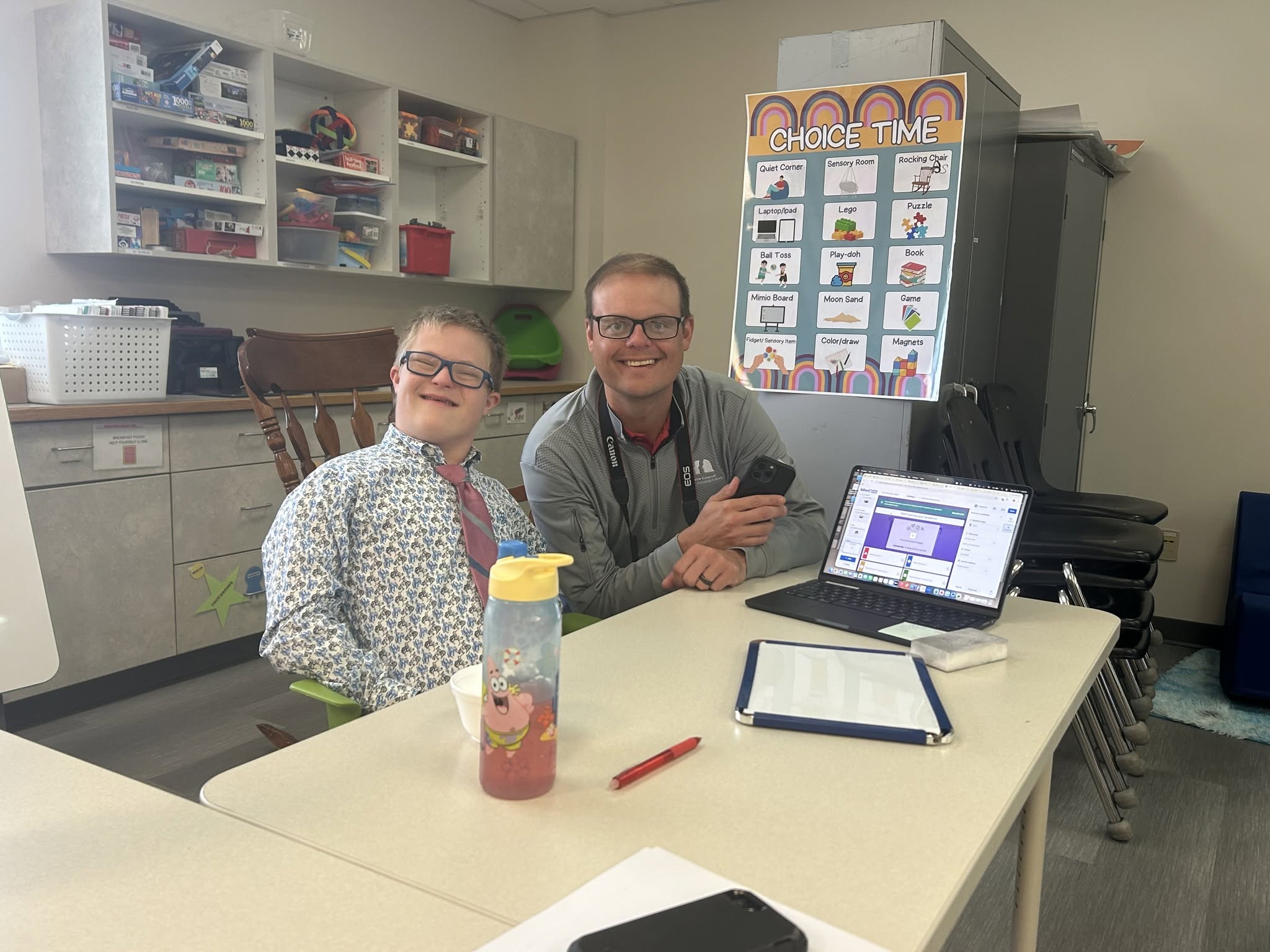
Inside the 7 Center kitchen, students are hard at work planning menus, working on budgets and baking other delicious goods for their famous mobile enterprise, the Snack Cart.
Utilized for internal ESU 7 setup staff and various events held on the grounds throughout the year, the Snack Cart is always met with a smattering of oohs and aahs when it comes rolling in.
“When the students bring the Snack Cart around, they’re communicating, working on counting money, maintaining eye contact, greeting people and explaining what they have for sale,” Ostmeyer said. “Some of our students have become quite the salespeople.”
Customers are the beneficiaries of delicious scotcharoos, sure, but the opportunity to interact with the students is priceless.
“When there’s a principal professional development day, the Snack Cart will roll in and you can just see the kids’ faces light up,” Neesen said. “You see their old principals just beam with pride and that camaraderie. It’s just so fun to see. It’s really special.”
When a student at Learning Academy stabilizes emotionally, acquires targeted coping mechanisms, and demonstrates that they can safely self-regulate, the entire building stops.
For them, it’s time to return to their home district. For ESU 7, it’s time to acknowledge their accomplishments.
Time to celebrate.
"When we have a student who is ready to transition back to their home district, we do their walk," said Neesen. "Every student and staff member lines up along both sides of the hallway. We cheer them on as they walk down the center. At the end of the walk, there’s a huge poster they get to sign and take home."
"That fills your bucket overflowing," Clay continued. "But it’s also vital for the other kids to see. They see that and think, 'Hey, this is what happens. This hard work is worth it.' It gives the kids who are still struggling a tangible sense of purpose and hope.”
Even after the hallway walk concludes, the apron strings are never severed abruptly. ESU 7 educators travel to the receiving district to coach general classroom teachers, model behavioral protocols, and drop into classrooms to reassure the students during their first weeks back.
"You’re never really rid of us," Neesen smiled. "We’re always checking in."
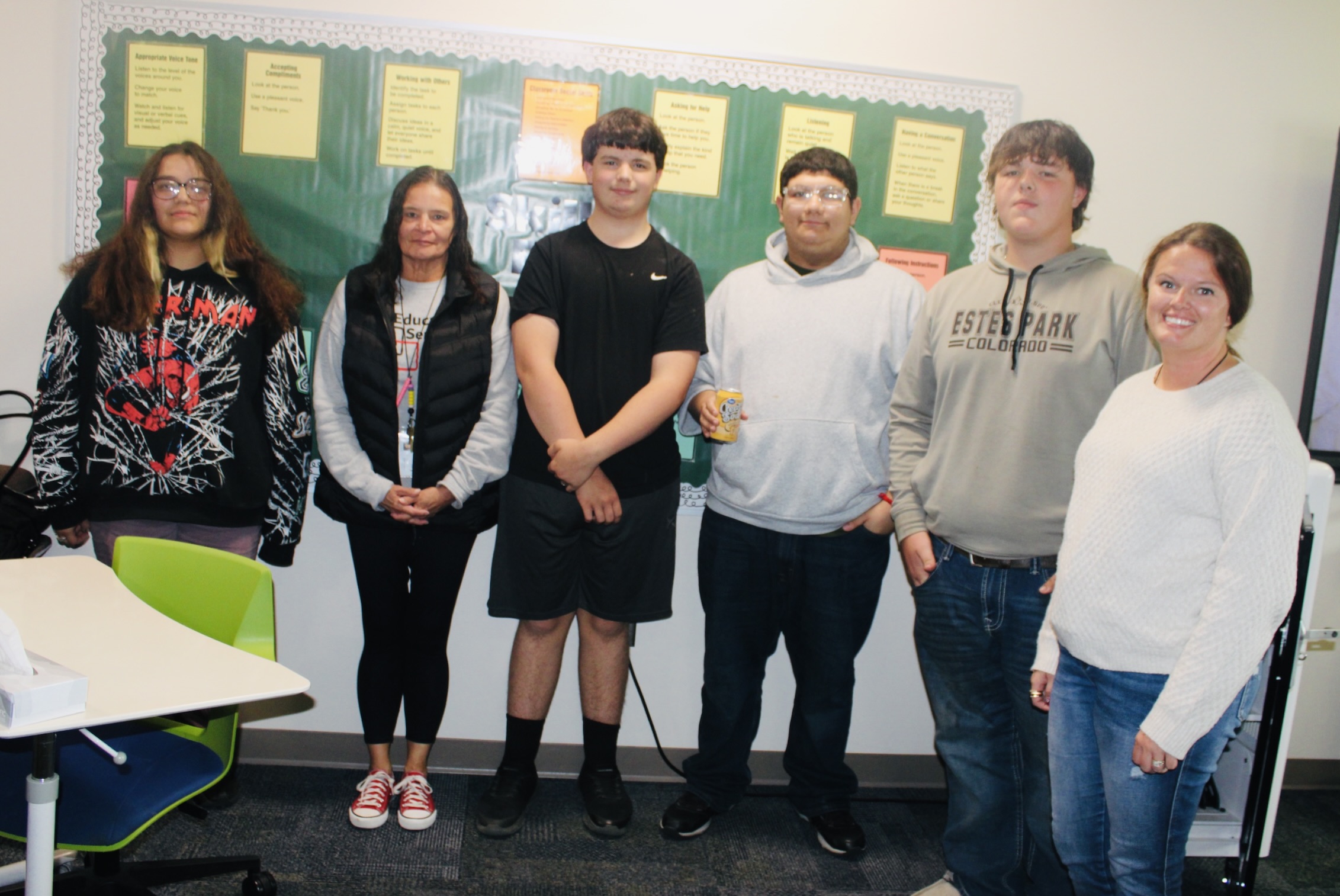
Our tour comes to a close, and we pose for a photo with a handful of students waiting by the front doors for their ride. They thank us for coming, and advise us to wait a few days before digging into the spicy pretzels.
“You have to give the seasonings some time to settle,” one of the students says.
We reconvene in the conference room, pondering how we’re going to tell this fascinating, heartwarming, and beautiful story. Where to begin?
"We live our beliefs here," Ostmeyer says, gesturing toward the three squares framed on the wall. "Standing in front, standing beside, standing behind. It’s a really cool thing to watch in action. When you walk across that parking lot, they aren't labels or level numbers. They’re kids. And watching them thrive is the whole point."
How’s that for a start?